Showing posts with label campaign. Show all posts

Friday, December 27, 2019

Colleges start fundraising campaigns

Starting Off

Community College of Allegheny County has started a $65 million campaign with no end date. Efforts to build jobs will be a priority. Thus far $44 million has been raised. Oral Roberts University has started a three-year campaign to raise $75 million. Buildings and scholarships are the top goals. Editorial Tags: Fund-RaisingIs this diversity newsletter?: Newsletter Order: 0Disable left side advertisement?: Is this Career Advice newsletter?: Magazine treatment: Trending: Display Promo Box: 

Read more: insidehighered.com

https://infoforu.org/colleges-start-fundraising-campaigns/

Saturday, October 26, 2019

The Ultimate Guide to Social Media Marketing Campaigns

Every month, there are over two billion active users on Facebook, one billion on Instagram, and 365 million on Twitter worldwide.

In the U.S. alone, 77% of the population has a social media account of some kind. Whether it’s to chat with friends, stay connected to people across the globe, or for business and networking purposes, consumers are on social media for a multitude of reasons — and marketers know it.

Due to the sheer number of active users on these platforms, marketers are quickly learning about the importance of targeting their customers through social media. In fact, investments in social media advertising across the world are projected to grow to about 48 billion U.S. dollars by 2021.

With so many people checking their smartphone notifications and social media feeds while traveling, commuting, and even relaxing, what better way to market than on social media?

Social Media Marketing is Effective

Social media advertising reaches audiences in a low-cost, impactful, and effective way. This is exactly why social media campaigns have become a crucial marketing technique for businesses everywhere.

With billions of people on social platforms — and continued growth in monthly users and influence — it’s hard to imagine how businesses could remain relevant without creating a social media presence.

Using social media will allow you to reach your target audience, engage with current and potential customers, create brand loyalty, increase website traffic, and drive sales. Marketing on social isn't just a trend, it’s a powerful industry technique that is here to stay and will help you reach more people all over the world.

How to Set Social Media Marketing Campaign Goals

When creating a social media marketing campaign, you should keep specific goals in mind to ensure your work is as effective as possible. Here are some goals to consider and examples of companies that executed them well.

To provide more context and help you get a better grasp on these campaign goals, we've paired them to related social media marketing campaign examples. Let's take a look:

Improve Brand Awareness

Your business can improve brand awareness through social media by posting your campaigns on a variety of platforms. You can also use specific hashtags and provide followers with incentives for sharing your content and tagging their friends.

Improving your brand awareness through social doesn’t need to take a lot of time either. In fact, 91% of marketers said they noticed an increase in their brand visibility by only spending a few hours per week on social media. Once you have a plan for your campaign, you will be able to map out exactly where and when it should be posted to keep things efficient.

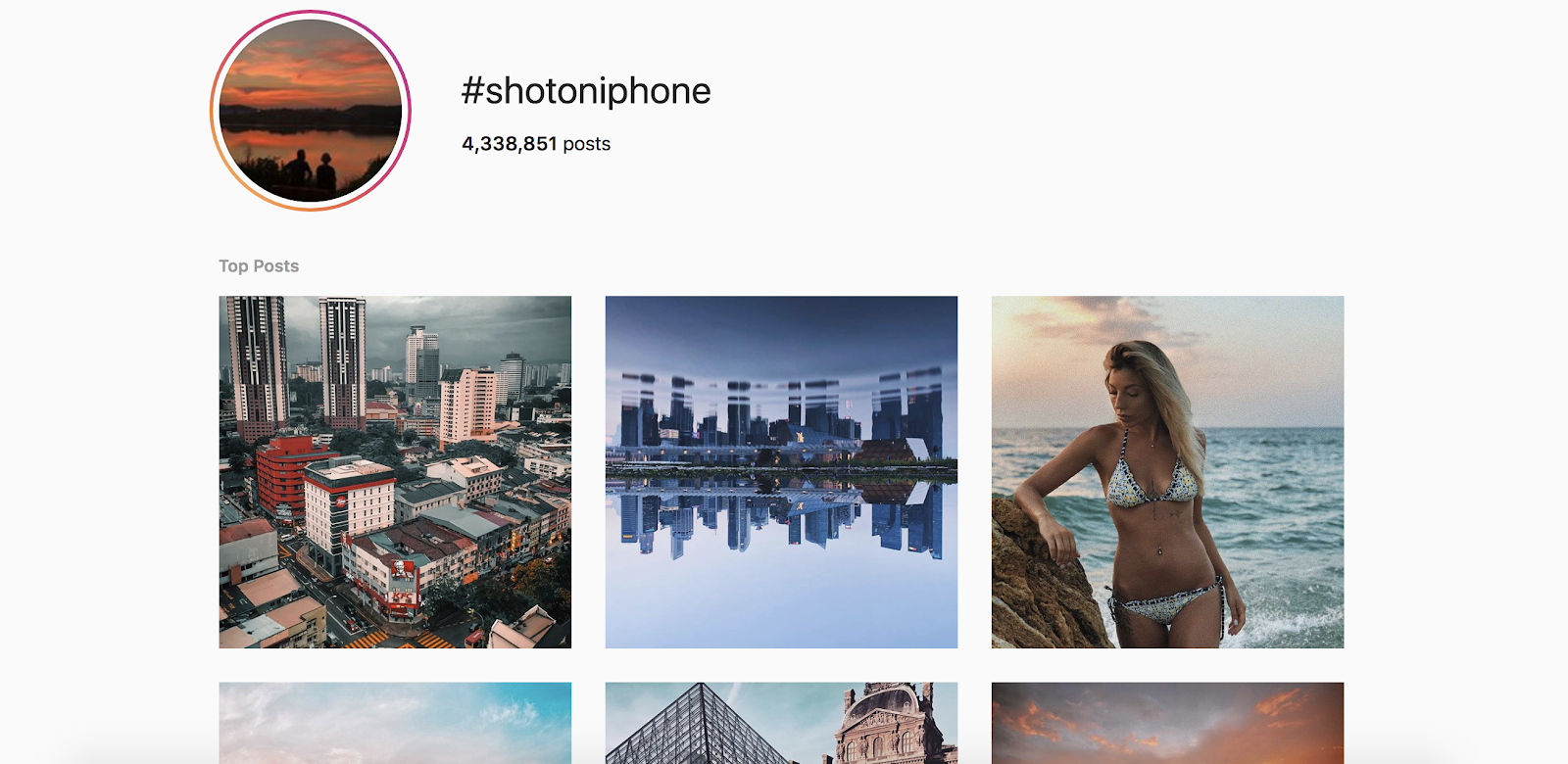
A great example of using social media marketing to raise brand awareness is Apple’s “Shot On iPhone” campaign. Apple’s impressive iPhone cameras allow their 90 million+ users to take pictures that look like they were taken with professional cameras.

Taking beautiful pictures has also become increasingly important for social media users over the years, especially with photo-focused platforms such as Instagram. Apple decided to mesh these ideas together and launch the “Shot On iPhone” campaign which features iPhone photos taken by customers.

Users take pictures with their iPhones, post them to social (typically on Instagram in this case), and use the campaign’s hashtag, #shotoniphone, which has been tagged in over 4.3 million posts thus far. Apple shares select photos on their Instagram page to their 6.8 million followers and gives participants a chance to have their photo on a billboard.

Apple’s social media marketing campaign increases brand awareness through their Instagram page, hashtag, and the requirement that people share their photos with their own followers.
CPt96hAEbZMzy33YGXQ7trw2SvweC7VuMSUV08iu3Nsqbdi6gzNSFaITf3LmI8epn7WxfchAsUfrAP5xMu2gr1rWuGlKuC3HddCPYmjIrm4QLWzCe9e20eemWSdG-HC7M5Fk3wBx

Source

Apple started the campaign, but iPhone users are the people doing the hard work. Through this campaign, the company builds a feed of the most beautiful and unique pictures that also serve as a way to improve brand awareness and market the iPhone camera feature.

Learn how to build your company's brand with a free guide to effective and measurable branding. 

Connect With Your Audience

Connecting with your audience is important in all types of marketing. In a world with growing distractions and diminishing patience, effective marketing tactics are more important than ever. The good news is that social media has made it easier to connect with potential customers anywhere around the world.

When working on a social media marketing campaign, you want to connect with your audience both on a surface level — through a follow, comment, or a “like” — and on a deeper level — through a relatable post that gets them feeling a certain way about your brand or products.

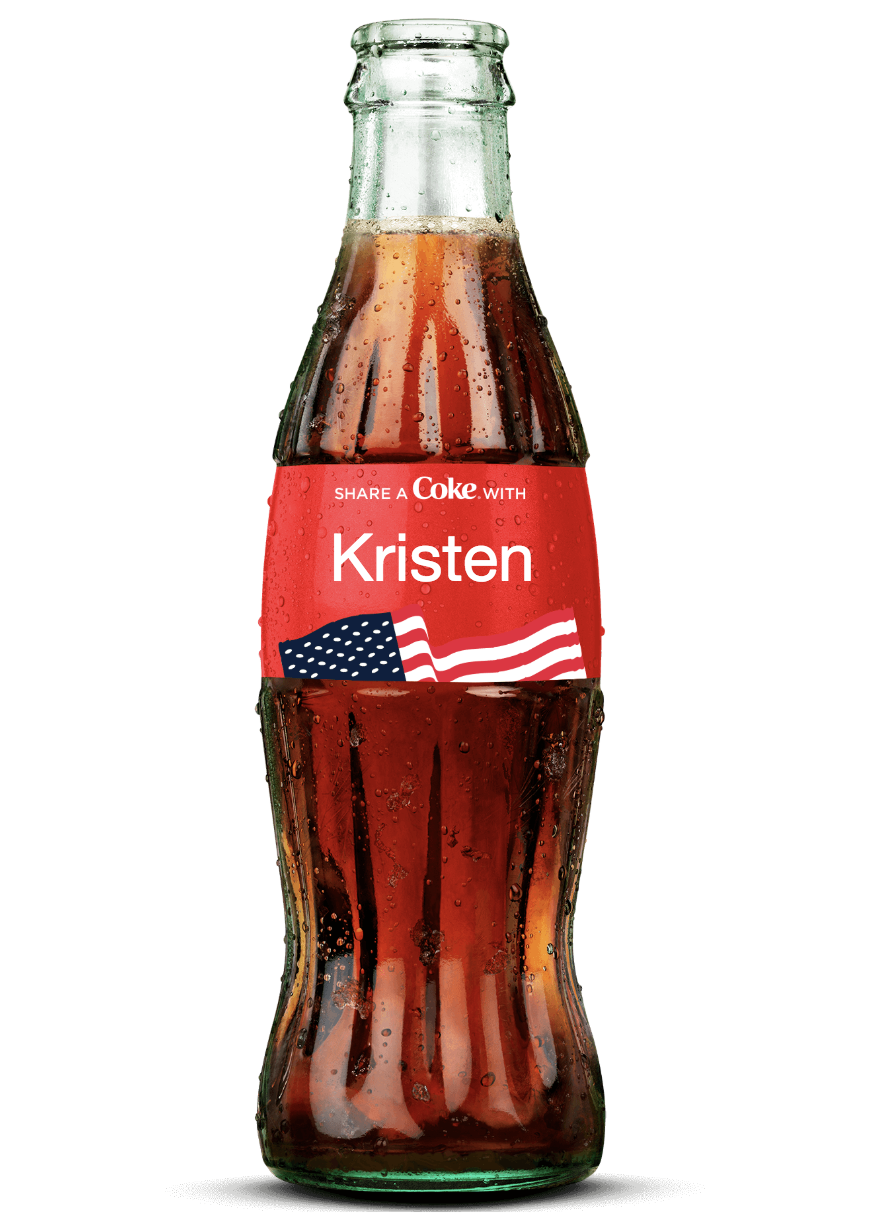
Coca-Cola’s ”Share a Coke” social media campaign successfully connects the company with their audience on a deeper level. By selling bottles of Coke with people’s names on them, Coca-Cola personalizes the buying experience which gets customers excited about purchasing and sharing the bottles.

Whether it’s their own name or the name of a family member, friend, or co-worker, customers feel a connection to these bottles of Coke. Some of the bottles even have stickers on them that customers can peel off and wear as a name tag or give to someone else.

Coca-Cola made the campaign even more relatable by creating labels with multiple different spellings of names and including less-common names. Customers can also personalize their own bottle on the company’s website for $5. The company found a way to engage with everyone through this campaign.
EPlLIFoi0bhT7FE4Vzgi37v5TbCj55GC1URAYiu4G296LP8uGO6aJRLXGsyJs0NXww4lH1Lj7rtB-xxXU1yTUJtwxcQT_zP9VR6iL8y-wFVhKTwAt05eliKnRaOQRxhbJWcbWzRf

Source

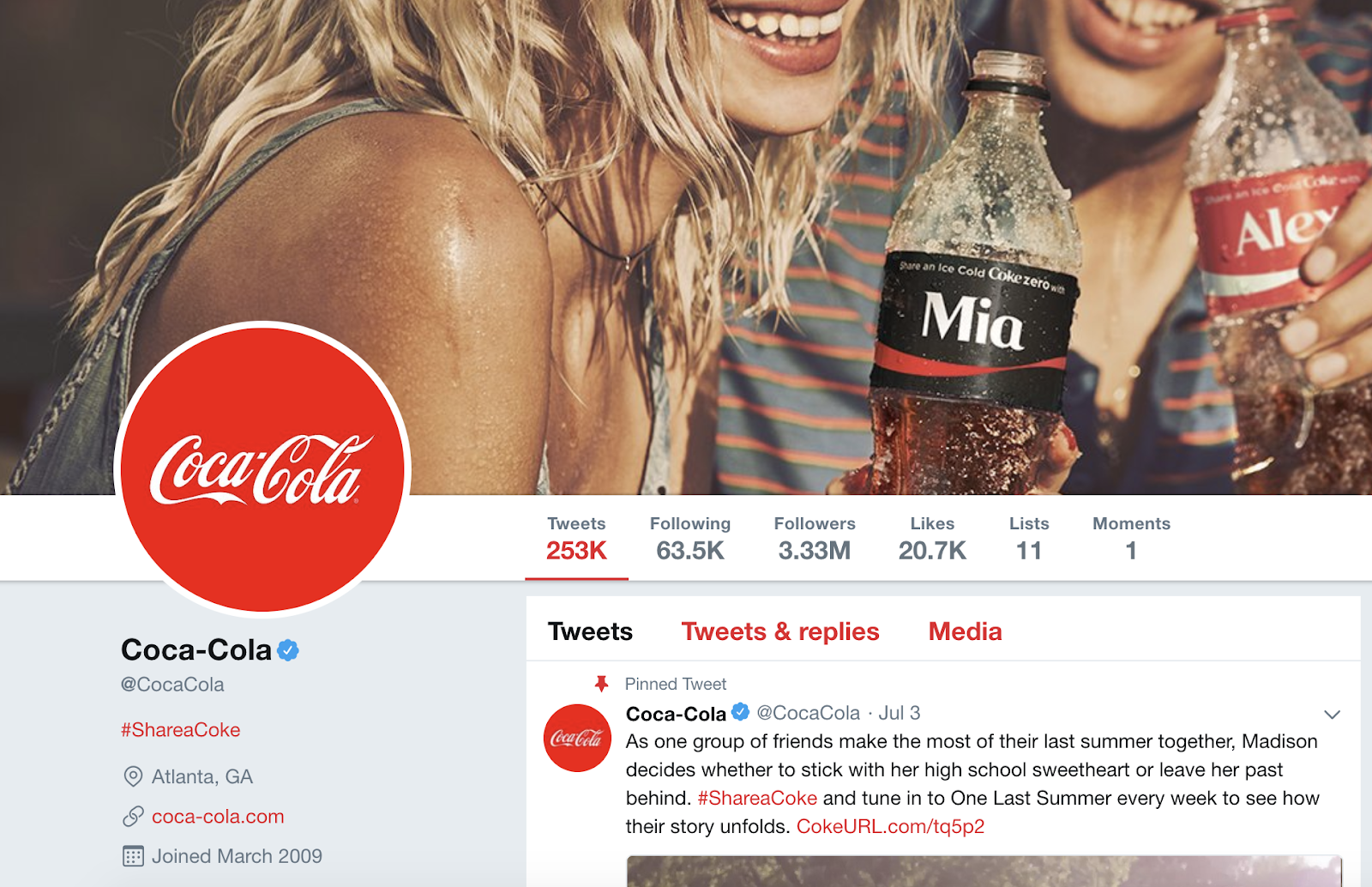
Coca-Cola also promoted a hashtag, #shareacoke, so social media users can share their pictures and videos with friends and followers. Since the campaign has gone viral, the hashtag has been used on millions of Twitter and Instagram posts. And for those who want to share a Coke, or post a picture about their own experience, there are links to more information about the campaign in the bio section of Coca-Cola’s social profiles.
Gt43LOqJw6DCOs6aJ8PNzHRJHTnneVkIvf66HN_hFaHrvkBO_S0YD9_2CuxT-1fgYJvkoOk8vLq1pwK_pZKm2oH2qRcgGA8rGv3FZVYGJ1zEhuS2Bb5Q53XUn4vZmm7xDJLUYZ1Q

Source

The “Share a Coke” campaign gets people excited about a personalized bottle of Coke and makes customers feel connected to the brand on a deeper level. In turn, millions have been motivated to share pictures, videos, and stories on social media about their experiences buying and sharing a Coke.

Increase Website Traffic

Social media is a great way to boost website traffic. Simply putting your website in your profile bio helps guide users to your site where they can learn more about your company or a specific product. Customers have little patience and lose interest quickly. By including the URL in your bio, you will avoid any confusion and keep things simple for your potential customers.

Your campaign team can also respond to followers on social with URLs to specific landing pages on your website. Adding links to your website as part of a natural conversation or organic post is a great way to show them you are listening and boost website traffic.

Lastly, you can just add a website or landing page URL to your actual post on social. You will increase website traffic by providing followers with links to the resources they need to answer their questions and concerns on their own.

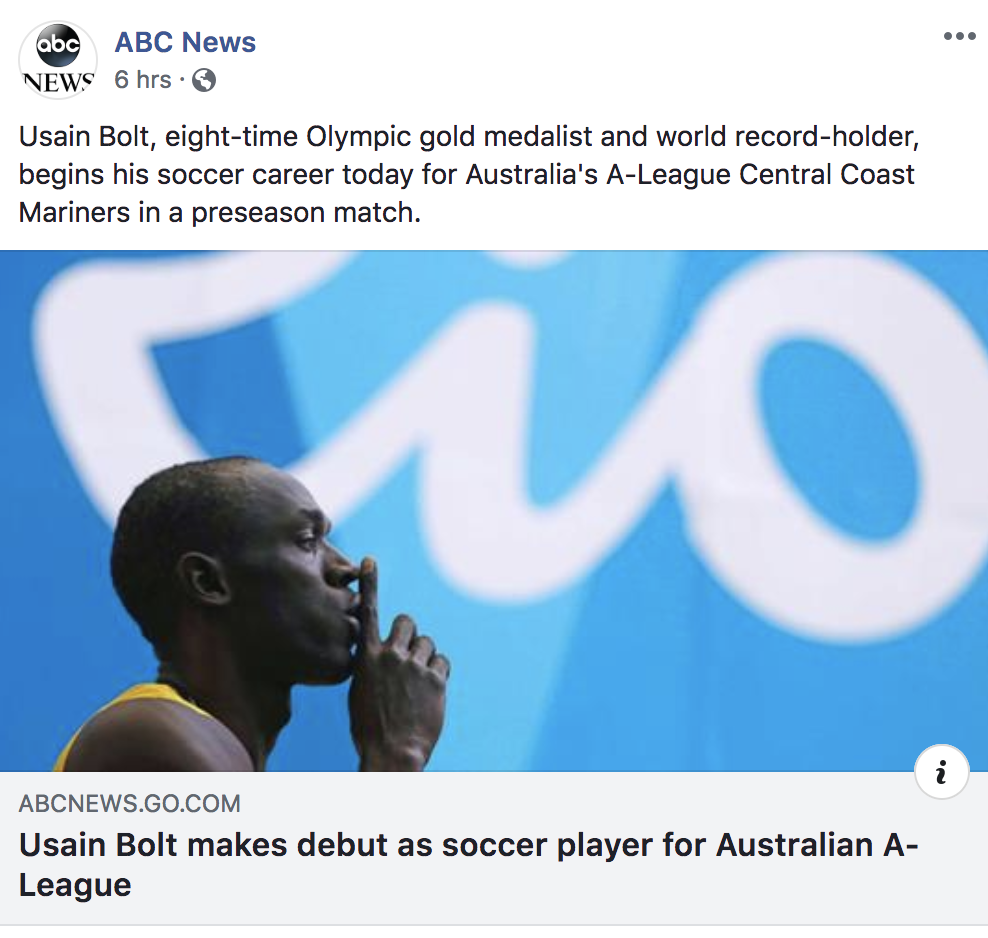
For example, many news stations across the country add URLs to their stories on social media. They are often seen posting an eye-catching image, video, quote, or statement along with a link to the actual story.

This works well because it increases their website traffic. If followers don’t follow the link to the station’s website, they can always click “Like”, or “Share” if they still want to interact.
Screen%20Shot%202018-08-31%20at%203.15.53%20PM.png?width=1500&name=Screen%20Shot%202018-08-31%20at%203.15.53%20PM.pngSource Drive Sales

Marketers want customers to get excited about their products and brand. When a business can do this successfully, they will most likely see an increase in sales. Social media campaigns are a great way to get people excited about new products because of the ability to share, use images, get the word out.

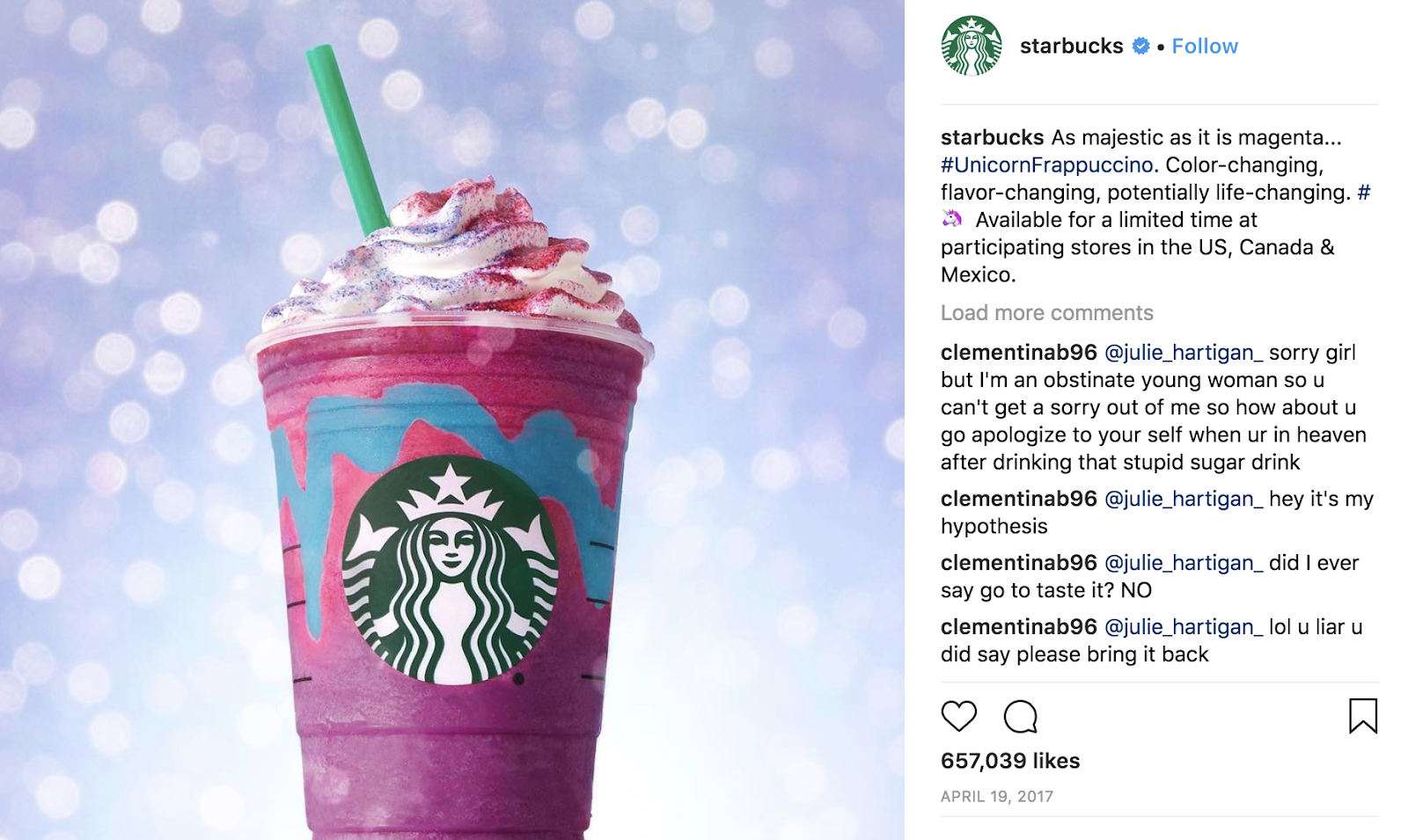
One example of this was the Starbucks Unicorn Frappuccino campaign. Starbucks has been known to create special “secret menu” items, and these drinks have become increasingly popular to photograph, as they often make for fun Instagram and Twitter posts. The company took advantage of this and started selling the Unicorn Frappuccino — a bright, colorful drink that was only in stock for a limited time.
xtuR8-bi0gKRAjOvszJvAQXMUAYO2vP_McD6-3S1CGSVapCUMKyQ8KaeUfoFE_J3bMqYAzRTjKQvLEgzC0pn4911_ioqXiTfPexmI_F4r2Y8TU_6Y4tsEUEZlbE2yQGZ2jICzIs5

Source

Starbucks shared pictures of the Frappuccino all over social media and drummed up excitement around the drink. They also created a hashtag, #unicornfrappuccino, to encourage customers to share their experiences purchasing and drinking the beverage.

The $5 drink was so popular with customers that during the single week it was available in April 2017, there were over 180,000 posts on social media that featured the drink. The drink also led to an increase in same-store sales for the second quarter by 3%, and same-store sales were up 4% in March 2017.

Now that we have reviewed some of the most successful social media marketing campaigns, let’s dive into the ways you can kick start your own.

There are a number of ways to create a successful social media marketing campaign. Plans vary based on industry, social media platform, and campaign type. Use the following tips — which are centered around three major steps including researching your competition, crafting your strategy, and promoting your content — to create your social media marketing campaign.

1. Research Your Competition

In the planning stages of your social media marketing campaign, consider your competition.

Which companies are similar to yours and already have successful social media accounts? Which companies have campaigns that you know did well? Do the companies you are reviewing typically conduct giveaways, contests, or live videos? What is engagement like on their social posts?

By taking a step back and asking yourself these questions, you’ll start to understand what’s working well in your industry. You will also be able to determine how you can make your own campaign unique.

Look for inspiration elsewhere, too. If your competition isn’t on social, you’re not a fan of their previous campaign style, or you have an exceptionally unique business, then look for other campaigns that inspire you and determine how you can apply elements such as a similar style, level of engagement, aesthetic, or a specific message to your own campaign.

2. Craft Your Strategy

Next, craft your campaign strategy. To determine your campaign goal, consider your target audience.

Appeal to your target audience. Who are you trying to reach? How would you classify your target audience? What are you hoping this campaign will achieve for your company and your audience? How can you create continued engagement with your followers throughout your campaign?

Ensuring your content and messaging appeals to your target audience should always be your top priority. Remember this important rule throughout your social media marketing campaign. Don’t lose sight of who you are trying to connect with and why.

Otherwise, your audience will likely scroll right by your social posts or lose interest in your campaign in a matter of seconds.

Here are some ways to appeal to your target audience on social media:

Consider current trends. What do people want to view these days? For example, Instagram stories and live streaming have become quite popular. Can you incorporate these trends into your social routine and campaign? Be informative. Make your audience want to stop and listen. If you don’t have information worth their time, why would they check out your post or campaign? Provide your audience with an incentive — create a giveaway that requires your audience to read your description from start to finish. In addition, you should also tell them how to participate in the giveaway and when you will announce a winner. Create unique and compelling visual content. Whether it’s a video on Facebook or an edited picture on Instagram, make sure your visual content is compelling and entertaining. Give your audience something they haven’t seen before. Engage with your audience. After posting on social media, 84% of consumers expect companies to respond within 24-hours. If your followers leave questions, comments, or concerns on your posts, you should reach back out to them. You will form a personal bond with your audience that will make them more loyal to you and your brand. You will also earn their trust more efficiently. Choose your content type and format.

To determine your content type, think about why you’re creating your campaign. Here are some instances in which a company might create a social media marketing campaign:

Holidays Special occasions or milestones Partnerships with other businesses User-generated content promotions Contests or giveaways

Consider which content type should be used on what platform. For example, if your campaign uses a lot of still photography, then maybe Instagram is the platform for you. If you require live streaming and want to share longer videos, Facebook might be a good option. And if you want to release shorter bursts of information, Twitter could be a good fit. Think about what each platform is best for and go from there.

Manage the results of your campaign strategy.

No matter why you’re creating your campaign, you’ll probably be interested in knowing your campaign’s level of success. To make any conclusions about your success, you’ll need some type of metrics to measure and monitor throughout your campaign.

A popular way to do this is through a metric tracker such as Google Analytics or HubSpot’s social monitoring and metric tracking tool. This type of concrete data will provide you with information like the amount of overall campaign traffic, how many new followers that you attract (as well as how many followers you lose), your level of engagement, changes in website traffic, and any change in sales.

3. Promote Your Content

Now it’s time to start sharing your campaign and promoting your content. Consider the following techniques on how to promote and share your content.

Promote one message throughout your campaign.

You should start by promoting one message on multiple different platforms using content that fits the chosen platform. By consistently sharing the same message across your campaign, your followers will hear the same information over and over again, which will allow them to retain your message.

In fact, marketing campaigns in the past have proven that messages are most effective when repeated. Repetition will result in familiarity, which will foster trust between your audience and your message, brand, and product. Redundant messages stick.

Balance your promotional and non-promotional content.

Your followers will notice if you’re constantly pushing promotional content on them. By balancing promotional and non-promotional, your followers will perceive you as being helpful and will want to engage with you more.

This is about your followers not feeling pressured or pushed into becoming a customer. You will be most effective if you provide your followers with promotional content that is balanced out with content that they find helpful and engaging.

Ensure your content is unique to your business.

Create an aesthetic for your campaign that matches your brand. You want this to be unique — anyone that lands on your page should know that it’s yours without reading your profile handle. Being unique and authentic helps you stand out … it also gives people a reason to want to follow you over your competitors.

Engage with your audience regularly.

No matter how many followers you have, you should set aside a bit of time to answer questions, “like” comments, and respond to feedback. By taking the time to engage with your followers, you will give them a personal experience that they won’t forget. These are the types of relationships and experiences that keep followers invested in your brand.

Create a unique hashtag for your campaign.

All major social media campaigns have a hashtag that should be the same across your social platforms. Hashtags allow your team members to keep track of interactions and make it easy for your followers to engage with your campaign. Your hashtag should be unique and memorable.

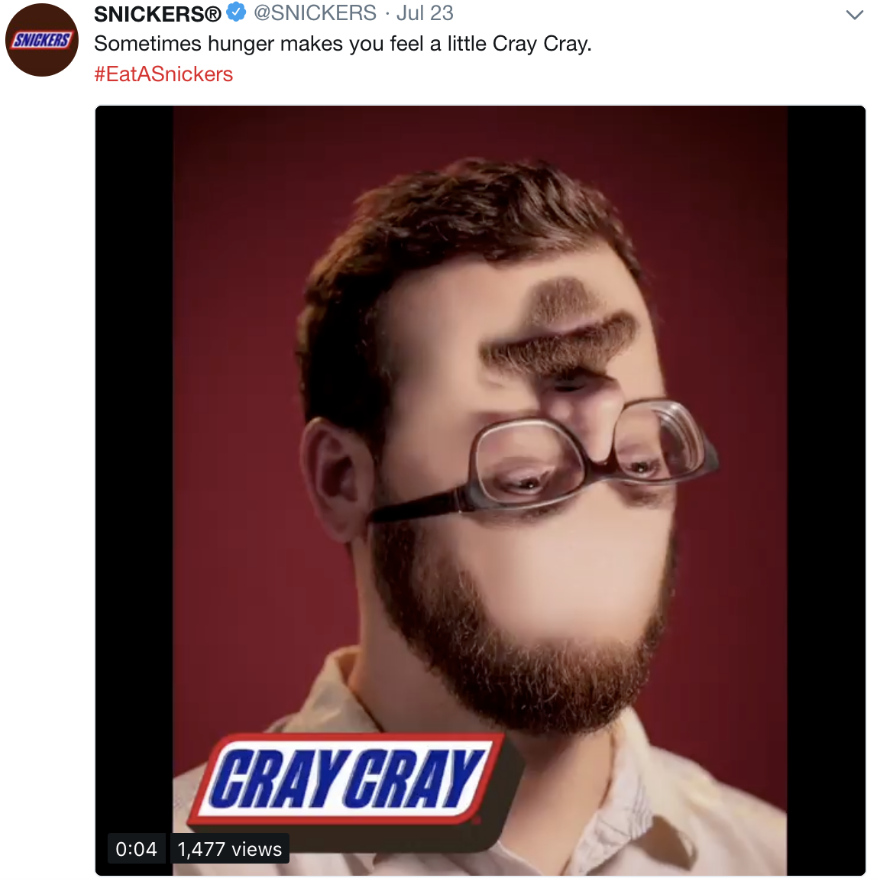
For example, Snickers has a popular social media campaign, “You’re Not You When You’re Hungry.” They depict people lashing out, losing their minds, and even turning into different people because they are “hangry” … or hungry-angry. These people go back to their normal selves once they eat a bite of a Snickers bar and satisfy their hunger.

Their hashtag for the campaign is #EatASnickers. It’s straightforward, simple to remember, and action-oriented. Additionally, “Eat a Snickers” is also one of their ad taglines, which contributes to the uniformity across the campaign.
Screen%20Shot%202018-08-31%20at%203.22.46%20PM.png?width=1500&name=Screen%20Shot%202018-08-31%20at%203.22.46%20PM.pngSource Automate your content with scheduling software.

Although creating engaging content and interacting with your followers may be time-consuming, there is a way to schedule your campaign posts ahead of time to save you from having to do it in real-time.

Tools such as Hootsuite, Crowdfire, and CoSchedule allow marketers to schedule posts with text, photos, videos, hashtags, and more. Some of these scheduling tools even contain analytics that help users determine which scheduled posts are doing well and which posts may need to be modified.

Use live stream to your advantage.

By 2021, live streaming is expected to become more than a $70 billion industry. With live streaming, audience members can watch content in real-time from anywhere around the world, which creates a unique and engaging experience.

Facebook Live is one of the most popular ways to stream live content, followed by other platforms such as Twitter, Instagram, and YouTube. You can use live streaming to update followers on news as it happens, conduct giveaways and contests, interview guests and influencers, or simply make followers feel personally connected to your brand.

The way you promote your content is your decision, but don’t forget to test and analyze your results. This way, you'll know if any immediate changes can or should be modified while the campaign is still live. You can also apply this information to future campaigns.

Begin Creating Your Campaign

Social media has taken the world by storm. Although some trends are changing, social media is here to stay. Social media marketing campaigns are a great option for businesses that want to remain relevant and promote their content effectively and efficiently.

With the possibility of significant reach, ability to directly engage with followers and customers, the ease of sharing your content with thousands (or even millions) of people, and the budget-friendly nature of the work, social media marketing campaigns are appealing to both businesses and consumers alike.

Get started creating unique and engaging content for your social followers and make an impact that drives sales and gets people pumped about your brand.

Editor's note: This post was originally published on October 2, 2018 and has been updated for comprehensiveness.

__ptq.gif?a=53&k=14&r=https%3A%2F%2Fblog.hubspot.com%2Fmarketing%2Fsocial-media-campaigns&bu=https%253A%252F%252Fblog.hubspot.com%252Fmarketing&bvt=rss

Read more: blog.hubspot.com

https://infoforu.org/the-ultimate-guide-to-social-media-marketing-campaigns/

Monday, July 29, 2019

14 of the Best Public Relations Examples to Inspire Your Next Campaign

Sometimes, a press release about your company’s new product launch, significant hire, or acquisition fails to pick up the coverage you were expecting. Journalists crave juicy stories and viral marketing campaigns, but standing out in a sea of conventional pitches is one of the biggest challenges for any public relations professional.

When you need a dose of inspiration, blogs like PR Examples are a great place to find the most compelling PR plays. To save you some time, we curated a list of the absolute best of the best to get the creativity flowing for your next campaign.

Read on to get inspired by some of the best minds in public relations.

1. Lyft & Netflix: Strange Mode  Industry Relations

With over 360,000 people who binge watched Stranger Things 2 within a day of its release, it’s clear the show created unprecedented amounts of hype leading up to its premiere date. One of the stunts that built up this hype was Lyft and Netflix’s Strange Mode prank. By immersing Lyft customers in an environment that was as terrifyingly strange and eerily similar to Hawkins, Indiana, they made Stomranger Things fans feel like they were actually in the Upside Down.

2. HostelWorld: Even Divas are Believers Customer Relations

Traveling the world can give you some of the best experiences of your life, but it can also thrust you into situations that you’ll want to scrub from your memory, like staying the night in a hostel. There are countless hostel horror stories online and hundreds of videos that mock their hospitality scattered throughout social media -- so needless to say, they don’t have the best reputation.

But HostelWorld, a hostel booking website, decided to team up with Mariah Carey to freshen up their image and showcase the pleasant reality of staying in a modern day hostel. Together, they blasted through affordable accommodation stereotypes by spotlighting the lesser known luxuries of hostels like having access to the same facilities as more expensive accommodations, but at a cheaper price, and being able to connect with other fellow travelers.

HostelWorld’s message is simple: if hostels are nice enough for divas like Mariah Carey, then they’re nice enough for everyone..

3. Lawyer.com: Choosing Lindsay Lohan to Be their Spokesperson Customer Relations

Picking Lindsay Lohan to be your company’s official spokesperson could spark a lot of backlash. But when you connect people with lawyers, the move can produce loads of smiles, publicity, and customers. Lawyer.com’s brilliant marketing play resonated with audiences because Lohan’s troubled past and her frequent brushes with the law makes people who might’ve gotten in a little trouble feel like they’re not alone. It also makes them feel better about themselves. If a high-status celebrity needed a lawyer -- multiple times -- then maybe it’s not so bad if you need one too -- right?

4. Stabilo Boss: Highlight the Remarkable Corporate and Social Responsibility

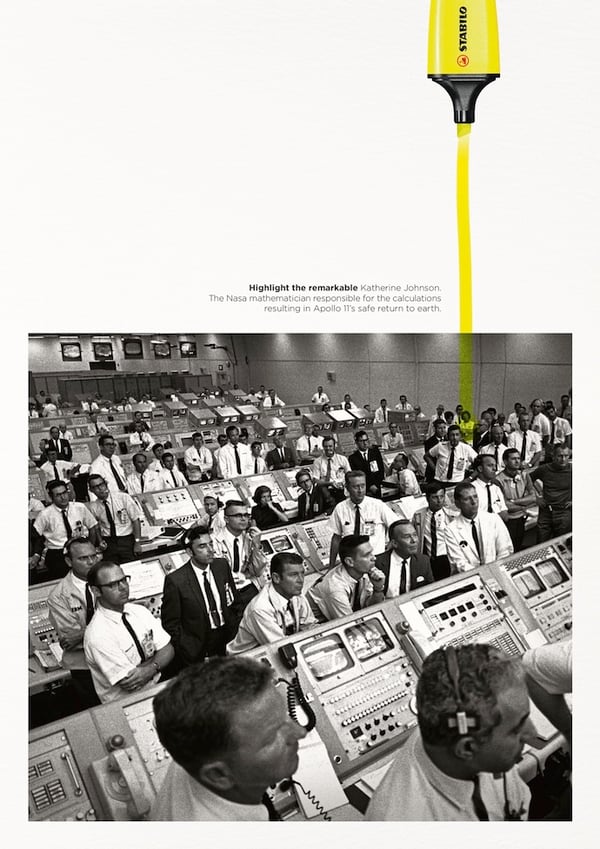
There have been remarkable women throughout history that might not have been celebrated as they should have been. Stabilo Boss -- the company that sells highlighter pens -- started a campaign to highlight these women and their incredible accomplishments. 

Stabilo took famous black-and-white photos from historical moments and drew a yellow highlight line to showcase the woman in the photo that made it all happen. The Boss PR campaign highlighted women like Katharine Johnson, the NASA mathematician responsible for the calculations that sent Apollo 11 to the moon. Other examples include Nobel Prize winner Lise Meitner ando First Lady Edith Wilson.

The campaign blew up on social media and went on to win multiple awards.

stabilo_boss_katherine_print_thumb.jpg?width=600&name=stabilo_boss_katherine_print_thumb.jpgPhoto credit: Ads of the World 5. Logitech: BS Detection Spoof Industry Relations

Hours after April Fools Day, almost every marketing publication rounds up the best spoofs, pranks, and stunts that distracted everyone at work that day. One of the funniest spoofs that earned a spot in all the major roundups this year was Logitech’s fake Business Speak Detection product video. By giving their product a punny, yet subtly accurate name, the video pokes fun at most businesses’ obsession and overuse of buzzwords. But it also has the feel of a real product overview, which makes it even more hilarious.

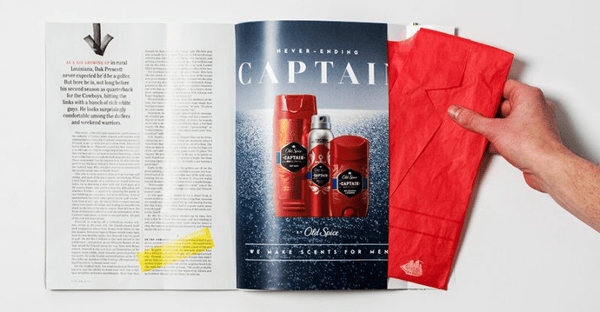
6. Old Spice: Paper Blazer Ad Marketing Communications 10%20of%20the%20Best%20Public%20Relations%20Examples%20to%20Inspire%20Your%20Next%20Campaign-1.png?width=600&name=10%20of%20the%20Best%20Public%20Relations%20Examples%20to%20Inspire%20Your%20Next%20Campaign-1.png

Photo Credit: PR Examples

When Fragrance brands advertise in magazines, they usually show off their aromas by drenching an ad with their latest cologne or perfume. But Old Spice realized people usually don’t enjoy unexpectedly pungent scents violating their nostrils when they’re flipping through their favorite magazine. So in typical Old Spice fashion, they gently ribbed other fragrance brands by inserting a paper blazer doused in their new cologne, Captain, in their print ad in GQ magazine. Then they wrote about how these paper blazers can help men attract attention not only with trendy style, but also with masculine smell. The only drawback of the blazer is that it'll turn into papier-mâché on you in the rain.

Humor and cleverness is one of the best ways to appeal to your audience and gain earned media attention, and it seems like Old Spice can leverage them both on any marketing channel.

10%20of%20the%20Best%20Public%20Relations%20Examples%20to%20Inspire%20Your%20Next%20Campaign-3.png?width=600&name=10%20of%20the%20Best%20Public%20Relations%20Examples%20to%20Inspire%20Your%20Next%20Campaign-3.png

Photo Credit: PR Examples

7. Star Wars: Passing the Box-Office Baton to The Avengers Social Media

Congratulations, @MarvelStudios and @Avengers: #InfinityWar. pic.twitter.com/PnHfaouOlP

— Star Wars (@starwars) May 1, 2018

Avengers: Infinity War just shattered Star Wars: The Force Awakens’ record for the biggest opening weekend ever by grossing over $250 million. LucasFilm, the studio that created and produced Star Wars, wasn’t bitter though. Instead, they were proud of their friends over at Marvel Studios, and sent them a heartwarming congratulatory tweet. By applauding them for their incredible accomplishment, and not sulking about their broken record, Star Wars earned the respect of movie lovers everywhere -- not to mention some media coverage for the gesture.

8. Johnnie Walker: Jane Walker Corporate and Social Responsibility


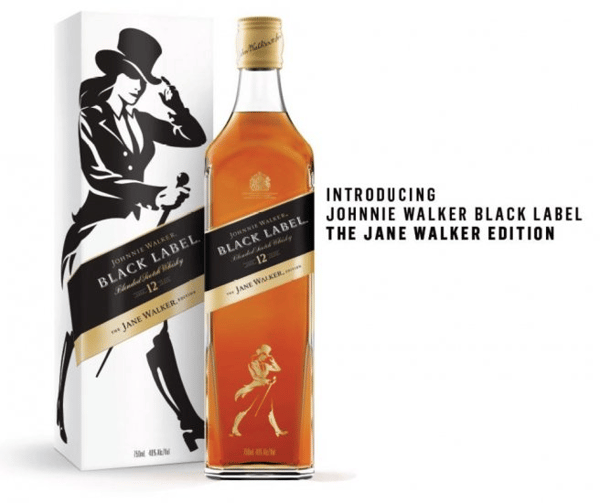
10%20of%20the%20Best%20Public%20Relations%20Examples%20to%20Inspire%20Your%20Next%20Campaign-2.png?width=600&name=10%20of%20the%20Best%20Public%20Relations%20Examples%20to%20Inspire%20Your%20Next%20Campaign-2.png

 Photo Credit: PR Examples

To promote gender equality and honor the many achievements of women throughout history, Johnnie Walker launched a female version of its whisky on International Women’s Day called Jane Walker. The limited-edition bottle featured a woman on their iconic logo, instead of a man, which connected the brand to individuals who also support their commitment to social progress.

In March 2018, Johnnie Walker released 250,000 bottles of Jane Walker, and for every bottle sold, they donated $1 to organizations that empower women. This tangible impact helped their campaign gain even more support and publicity.

9. AirBnB & BBC Earth: Night at Blue Planet II Industry Relations

Blue Planet II is considered the greatest nature series of all time, with its first episode attracting over 14 million viewers and earning the title of Britain’s highest rated TV show in 2017. Watching the show can almost place you into the habitat they’re filming, but BBC Earth wanted to take things to the next level for their biggest fans: they offered them a chance to experience what it’s like to be a researcher and filmmaker for Blue Planet II.

To do so, they teamed up with AirBnB to run a contest for their members, and two lucky winners got to spend three days and two nights in the Bahamas on the research and exploration vessel used in the show’s filming. During their expedition, they lived with and discussed work with researchers and dove deep into the Atlantic Ocean in a submarine with filmmakers to observe some of nature’s most unique underwater wildlife. By offering a once in a lifetime opportunity, BBC Earth could get more people to watch their hit show, and AirBnB could build their brand affinity.

10%20of%20the%20Best%20Public%20Relations%20Examples%20to%20Inspire%20Your%20Next%20Campaign.png?width=600&name=10%20of%20the%20Best%20Public%20Relations%20Examples%20to%20Inspire%20Your%20Next%20Campaign.png

Photo Credit: PR Examples

10. SpaceX & Tesla: SpaceX Sends a Tesla into Outer Space Public Affairs

View from SpaceX Launch Control. Apparently, there is a car in orbit around Earth. pic.twitter.com/QljN2VnL1O

— Elon Musk (@elonmusk) February 6, 2018

Everyone knows Elon Musk wants to send humans to Mars. So when SpaceX launched their newest rocket, Falcon Heavy, into space, it made some headlines. But when the Falcon Heavy suddenly shot a cherry-red Tesla Roadster blasting David Bowie’s 1971 hit “Life on Mars?” into orbit, it was being called the greatest automotive PR stunt in history.

The car will now float between Earth and Mars for millions of years, and serve as reminder for current and future generations to always reach for the stars. The success of both launches also improved SpaceX and Falcon Heavy’s reputation. Falcon Heavy is now the most powerful rocket on earth, so it’s realistic to say it can launch heavy satellites and future space stations into orbit, shuttle cargo to Mars, and even transport humans to the moon. And that’s exactly what Elon Musk needs the public to think if he wants to accomplish his ambitious goals.

11. BBC Scotland: Scotland From the Sky: Glen Coe Integrated Marketing and Communications

In 2017, Rough Guides, a renowned travel guidebook, named Scotland the most beautiful country in the world. And a big reason why it’s such a spectacle is because Glen Coe, a Scottish valley that cuts through the ruins of an ancient super-volcano, is one of the most striking landscapes in the world.

BBC Scotland’s immersive, 360 degree video of Glen Coe grips viewers because they’re able able to experience the landscape from an intimate point of view at every possible angle, which makes them feel like they’re actually there. Publicity of this video benefits both Scotland’s tourist industry and BBC Scotland because it compels people to travel to Scotland and consume more of BBC Scotland’s content.

12. State Street Global Advisors: Fearless Girl Corporate and Social Responsibility

On the morning of International Women's Day, the world woke up to find a four-foot high statue of a girl across from the Charging Bull statue on Wall Street in New York. She is standing tall and brave, hands on her hips, in a dress and high top converse. 

Fearless Girl, as she is called, was commissioned by the investment management firm State Street Global Advisors as a part of their campaign to pressure companies to add more women to their boards. By standing up to Charging Bull, she is standing up for gender diversity on Wall Street. 

fearless-girl-PR-campaign-example.jpg?width=600&name=fearless-girl-PR-campaign-example.jpgSource: Forbes

Some argue that the girl's defiance toward the bull -- and male-dominated corporate boardrooms more generally -- is controversial. There has been lots of pushback to the statue, but in general, this PR campaign received widespread support for the women's movement and diversity in the workplace and remains outside the New York Stock Exchange.

13. ALS Association: ALS Ice Bucket Challenge Corporate and Social Responsibility

A few years ago, videos of people dumping a bucket of ice water over their heads flooded social media, now known as the Ice Bucket Challenge. The viral sensation of 2.4 million videos was a way to raise awareness of a neurodegenerative disease called amyotrophic lateral sclerosis -- also known as ALS or Lou Gehrig's disease. The idea was to raise money for the ALS Association and research on the disease. 


The viral challenged raised more than $115 million dollars, with almost $80 million going towards research. The campaign was a massive success -- awareness and funding for ALS has skyrocketed, all thanks to millions of people giving themselves brain freeze.

14. Guinness: Guinness Clear Corporate and Social Responsibility

Guinness pushed a series of ads to promote its newest product: Guinness Clear. This completely transparent, refreshing beverage "will keep you hydrated and help you stay in control." Their secret recipe? It's just water.

This lighthearted PR campaign is actually trying to address a more serious issue -- binge drinking. The company hopes that consumers will drink more of their "Guinness Clear" to remember their nights and not overdo it while still having fun. Guinness hopes the ads will drive conversation and healthier habits.


  __ptq.gif?a=53&k=14&r=https%3A%2F%2Fblog.hubspot.com%2Fmarketing%2Fpublic-relations-examples&bu=https%253A%252F%252Fblog.hubspot.com%252Fmarketing&bvt=rss

Read more: blog.hubspot.com

https://infoforu.org/14-of-the-best-public-relations-examples-to-inspire-your-next-campaign/

Wednesday, April 18, 2018

Case Study: How To Use Your Blog To Crowdfund Your Next Project

How-to-Crowdfund-Your-Next-Blog-Project.jpg

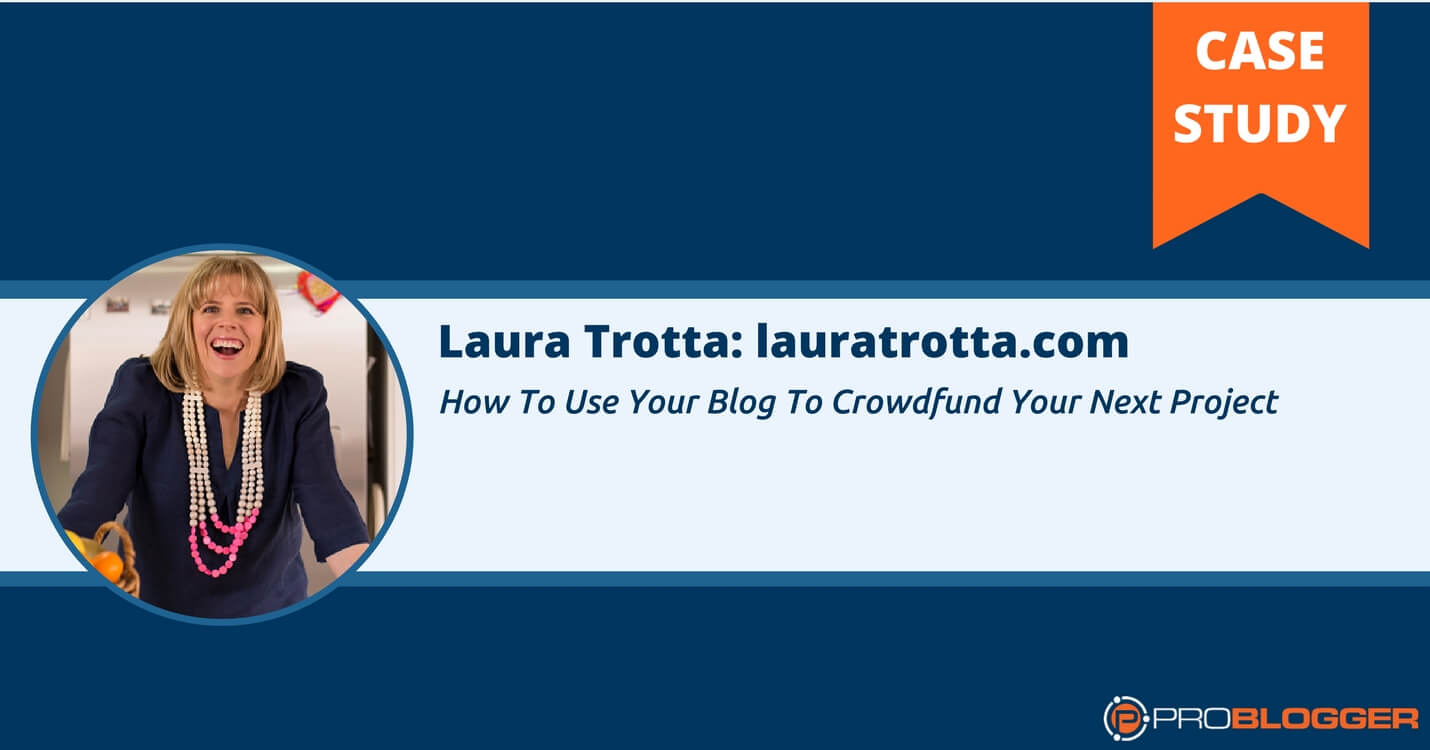
Today’s post is a case study with sustainable living educator, Laura Trotta.

Laura used her blog to crowdfund more than AUD 37,000 for sustainability initiatives, including the construction of her Self Sufficiency in the Suburbs membership site and her trip to Antarctica to participate in a global sustainability program.

Here’s how she did it.

When I launched my eco-living blog lauratrotta.com in late 2015, I never imagined it would become the launchpad for crowdfunding substantial amounts of money to grow my business (and my impact). I simply saw it as my main platform to inspire and educate others to switch to a more sustainable lifestyle.

Yet just months after launching, the combination of my vision and tight funds had me looking at alternate funding sources to design and build a membership platform for my online eco-living programs.

I didn’t have the finances invest in the project and develop it to the quality I wanted (and my followers expected). So I decided to crowdfund the project.

And the rest is history.

Within a few weeks I raised more than AUD 15,000 (more than enough to cover the project costs), and had 54 members in my Self Sufficiency in the Suburbs membership community.

Buoyed by the success of this initial campaign, a year later I ran a second campaign and raised more than AUD 22,000 to secure my ship berth to Antarctica as part of the Homeward Bound program.

I was selected as one of 80 female scientists worldwide to travel to Antarctica for a climate change and women in science initiative. But this once in a lifetime opportunity came with a hefty price tag that could financially sink my family.

With the payment deadline to secure my ship berth fast approaching I asked my online following for support via (you guessed it) a crowdfunding campaign.

And I’m so glad I did. Not only did I raise the funds to accept my selection, I helped 200 supporters become part of something special.

I could go on and on about how crowdfunding through my blog has helped me. But I’d much rather take a closer look at how it can help you.

Whether it’s securing funding upfront, catapulting their visibility, or seeing if a business concept will fly, more and more bloggers and entrepreneurs are turning to crowdfunding over traditional forms of finance.

In fact, 2015 saw an estimated US$34 billion worldwide being raised by crowdfunding.

In this post I’ll explain what crowdfunding is and how it works. I’ll also share five benefits of crowdfunding (only one is financial), and why you should consider it not just to raise capital, but also to grow your blog—and your business.

What is crowdfunding?

Crowdfunding is about raising capital for a project or venture upfront by receiving monetary contributions from a large number of people. The supporters ‘pledge’ their support for the campaign in exchange for a reward. Rewards can be a product or service, or just a public acknowledgement.

How does crowdfunding work?

To set up a crowdfunding campaign, you share the story of your project and where you’ll invest the funds into an online crowdfunding platform such as Kickstarter, Pozible, Chuffed or Indiegogo.

You then specify different tangible rewards different amounts of monetary pledges.

There are two types of crowdfunding campaigns:

the ‘all or nothing’ campaign, where you receive the funds only if you reach your campaign target
the ‘receive everything’ campaign, where you receive all funds whether or not you reach the target.

Naturally, there are advantages and disadvantages for each one.

The platform will prompt you to specify a period for the crowdfunding campaign. And once you hit publish, you’re on your way.

Despite what many people think, running a crowdfunding campaign isn’t a ‘set and forget’ exercise. You need to drive as much traffic as you can to your campaign to make sure you trend high on the platform and receive the financial pledges you need.

Sharing your campaign on social media as well as traditional media, email marketing and other methods will all increase the chances of your campaign reaching (or even exceeding) your target.

What are the benefits of crowdfunding?

You may be put off crowdfunding by the amount time and effort needed, or the fact it’s all so open and public. But before you choose a more traditional form of finance I encourage you to reconsider, as the benefits of crowdfunding go way beyond the financial reward.

Here are some more benefits of crowdfunding.

Raised Profile/Media Exposure. Due to the high traffic volume crowdfunding platforms receive, and the likelihood of friends and supporters sharing your campaign in social media, crowdfunding is one of the best ways to increase exposure and boost your visibility.Following my two successful crowdfunding campaigns, my story was picked up by online and traditional media keen for a ‘good news’ story. My social media and email followers also grew considerably during and after the campaign.
Market Research. Not sure your idea will fly? Crowdfunding will quickly give you the answer. While many people fear a failed crowdfunding campaign, the astute blogger/business owner knows it’s better than investing thousands of dollars (and just as many hours) on a business or project only to have it fail. A successful campaign gives you the confidence that there’s a market for your product or service before you create it.
Loyal Customers. The people who pledge money will become your most loyal customers. They’ve personally invested in your idea, and want you to grow and succeed. There’s no better feeling than giving these customers their rewards to thanks them for their support.
No interest or ongoing fees. Unlike traditional business lending, once you hit your target, and the platform and transaction fees have been deducted, that’s it. There are no ongoing fees, and definitely no interest rates.
Accountability. There’s no better motivation to keep your project on track than having a large group of customers waiting for a product or service they’ve already paid for. In my experience, a successful crowdfunding campaign is the perfect way to get public accountability and push you to deliver what you’ve promised.

How soon after the campaign do you get your money?

In an ‘all or nothing’ campaign, pledges are processed as soon as the target is reached.

If the supporter has paid by PayPal, you’ll receive individual transactions directly into your PayPal account once you reach this milestone. Credit card payments are usually processed at the end of the campaign, and transferred into your bank account within 7-10 days.

Crowdfunding platforms usually take around 5% of the campaign total in fees, and payment gateways can take another 3% in exchange for the services provided. Keep these fees in mind when setting your target. You don’t want to shortchange yourself. 

Five tips to help your crowdfunding campaign hit its target

Around 70% of crowdfunding campaigns fail to reach their target. And the biggest cause of those failures is lack of preparation. So you need to do your research before you launch the campaign, because once you’ve hit the launch button it’s too late to make improvements or compensate for your lack of preparation.

Here’s some of my best tips to help your campaign succeed:

Make it about the cause. A lot of crowdfunding campaigns fail because the creator makes it about them rather than the cause. And people love getting behind a cause.
Employ the “No pledger left behind” philosophy. Make every pledger feel valued and appreciated. If you do, they’ll be inspired to share your campaign even more. List and tag (where possible) every pledger in social media, and provide regular updates to keep your pledgers in the loop.
Stay in the game. So many campaigns fail because the campaign creator gives up before the campaign is over. In many cases, the bulk of support comes in during the last few hours, and sometimes even the last few minutes.
Choose ‘all or nothing’. It’s a big leap of faith to choose the ‘all or nothing’ campaign. But statistics show you’ll be more likely to hit your target. Maybe your supporters don’t want to see you fail. Maybe they really want their rewards, or would hate to see the money raised go to waste. But whatever the reason, it definitely increases your chances of success.This is in contrast to ‘receive everything’ campaigns, where you’re basically telling pledgers you’ll be happy with whatever you can get. There’s no urgency in these campaigns, and so people don’t feel the need to get behind them.
Have a Traffic Strategy. While angel investors are out there, the reality is that nine out of ten pledges typically come from traffic you send to your campaign. So It pays to have a traffic strategy in place before you launch.As well as regular blog posts and email marketing before and during the campaign, you should also include guest blogging, traditional PR and paid online advertising in your crowdfunding toolkit.

Final thoughts

Crowdfunding via your blog has more benefits than just raising money.

A successful campaign will make you confident there’s a market for your product or service before you create it. Better still, you’ll have group of passionate supporters who believe in your vision and will cheer you along every step of the way.


Bio

Laura Trotta is one of Australia’s leading sustainable living educators. She blogs about sustainable living and online conscious business at lauratrotta.com.

As a veteran online eco-preneur, and creator of multiple award-winning, thriving and profitable blogs, Laura also coaches other conscious business owners to tap into the power and reach of the Internet to grow their brand and take their idea to impact.

To help you plan a successful crowdfunding campaign, Laura has compiled a Crowdfunding Checklist that shows what you need to do at every step.

The post Case Study: How To Use Your Blog To Crowdfund Your Next Project appeared first on ProBlogger.

problogger
fblike20.png googleplus20.png pinterest20.png twitter20.png email20.png rss20.png 


Read more: problogger.com

https://bluetoothproximitymarketing.info/case-study-how-to-use-your-blog-to-crowdfund-your-next-project/