Showing posts with label create. Show all posts

Sunday, June 17, 2018

How to Create a Social Media Post Schedule in Three Easy Steps

A social media post schedule can save you time, and also help you get better results with your social media strategy. But when you are starting from scratch, you may not know where to start.

The good news is that you can create a social media posting schedule in three easy steps. Then you can use that schedule to build your publishing queues, and build your content.

Choose Your Social Media Platforms

social-media-posting-schedule-1024x491.jpg

If you are going on a date with someone, it’s not enough to decide what time you are meeting, and if you are doing dinner or a movie. You also have to pick the specific place that you are going.

Social media posting is the same way. You have to know which platforms will be best for your audience before you can get started.

While there are many other social media platforms to choose from, the biggest ones for most businesses are still Facebook, Twitter, Instagram, and LinkedIn. Each of these platforms has a particular atmosphere. The key is to find the perfect match for your audience, your content, and your personality.

Each year, the Pew Research Center publishes a list of demographic information for the users of each platform, as well as trends in social media. This can be a good resource to turn to when you create your social media posting schedule.

Facebook

Facebook is the largest social media network and is used by 68% of adults in the United States. Facebook also has effective advertising tools that you can use. It has the broadest appeal of all the social media networks.

Twitter

Twitter is a fast-paced exchange of information and ideas. While they did up their character limit from the iconic 140 characters to 280 characters, you should still think of your content here in bite-sized pieces.

Hashtags are an important part of being discovered on Twitter– but don’t overuse them! You want to keep things casual and conversational.

Instagram

Instagram is popular with younger users– 71% of 18 to 24-year-olds use the platform making it a good place to connect with that group. It’s also a very visual platform.

You can use Instagram to show off your creative side and display your product or service in a visual way.

LinkedIn

LinkedIn tends to attract users with higher education and household income. In fact, 50% of college graduates use LinkedIn. It’s also where you post content that is more business oriented. Some of the funny or cute content that would do great on Twitter or Instagram will fall flat on LinkedIn. Long form content is rewarded on this platform, with a focus on education and engaging in discussion.

Design Your Social Media Content

Avoid-Twitter-Penalties-with-Publishing-Queues-1024x510.jpg

Now that you know which social media platforms are the best for you agency or business, it’s time to start thinking about what you want to post.

Good social media content will evoke a reaction in the person on the other side of the computer. Think about how you can inspire, engage, or teach your audience.

You want to be careful not to post too much promotional content, as your audience will start to tune you out.

Here are some ideas for different types of content you can add to your social media post schedule.

Tips and ideas for how to get better results A quote of the day Ask a question about your audience’s biggest wins, favorite things, or experiences Celebrate a holiday or special day with a post Get creative with your images on Instagram Engagement posts that get a response from your audience Events that your company is hosting Recipes or project ideas Best of or worst of posts Trends within your industry Amazing facts Links to your blog posts or other content

The key is to balance evergreen content and moment to moment posts.

Brainstorm a list of types of content that you can create for social media. If you are struggling for ideas, get the whole team involved. Once you have enough ideas for types of social media posts, it’s easier to create more of them.

Start by making a library of posts. You can use a spreadsheet to be able to easily create them all at once and then bulk upload them later. Think about the types of things that you can’t create ahead of time, and make a plan of how to capture that information. Do you do regular events? Do you want to respond to trending hashtags?

Free-Trial-Teams.png

Create Your Social Media Post Schedule

Now that you know where you are posting, and what you are posting, you can get to the last step– actually scheduling your content!

Here is where a little research can come in handy. Take a look at your social media reports to find out the best times and days to post on social media, then choose which content will go out when.

You will also want to schedule the right number of posts per day. This can vary from platform to platform, and changes over time. What does your specific audience want and need? Ask yourself the following questions:

Is my audience highly engaged on social media? What type of posts do they respond to the best? What are my goals for my social media channels? When does my audience spend time on social media?

Don’t be afraid to experiment. Try a variety of different posting schedules, measure the results, and then see what can be improved.

Do you have a complete social media post schedule? What areas can you improve by putting some thought into it ahead of time?

The post How to Create a Social Media Post Schedule in Three Easy Steps appeared first on Agorapulse.


Read more: agorapulse.com

https://infoforu.org/how-to-create-a-social-media-post-schedule-in-three-easy-steps/

Monday, May 14, 2018

7 Reasons Why Nobody is Reading Your Content and How to Grab Their Attention

Content, content, content.

It seems like content is the only thing anyone can talk about these days.

You’ve probably read post after post about how “content is king” at least a dozen times.

However, despite your best efforts, you can’t seem to see what the content hype is all about.

You write blog posts.

You create videos.

You participate in social media.

And yet, crickets.

You’re creating content, but it’s not getting you very far.

Unfortunately, creating content isn’t enough to really market your business.

If no one is engaging with what you’re producing, you’re simply wasting time, energy, and resources to clutter an already overcrowded web.

But this doesn’t mean content marketing is ineffective.

In fact, 20% of business owners believe content marketing will have the largest impact on their business in 2018.

If you’re not getting results from the content you’re creating, it typically means you’re doing something wrong.

But with a projected 16% growth rate between 2017 and 2021, content marketing isn’t something you can just hope will pass by.

If you want to market your business successfully, you need to find your errors, shape up your content, and start getting conversions.

To help you improve your content marketing strategy, here are seven of the biggest mistakes you might be making – and what you can do to turn your results around.

1. You have no strategy

Are you posting whatever you want, whenever you want?

A lot of marketers do this.

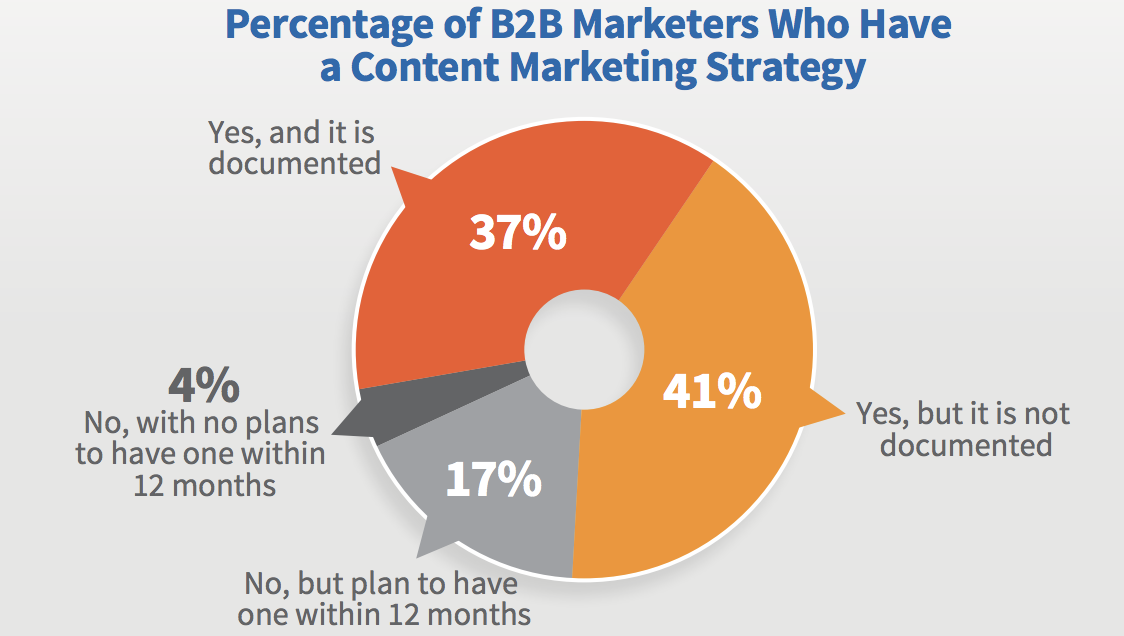
In fact, only 37% of B2B marketers have a documented content marketing strategy.
percentage-of-b2b-marketers-who-have-a-content-strategy.png

This means the majority of marketers aren’t thinking strategically about the content they’re creating.

This makes it easy for your audience to ignore whatever you’re sharing.

A content marketing strategy helps you identify what you’d like to accomplish with your content, as well as how you’re going to use your content to achieve your larger business goals.

In other words, it forces you to put intention behind your content.

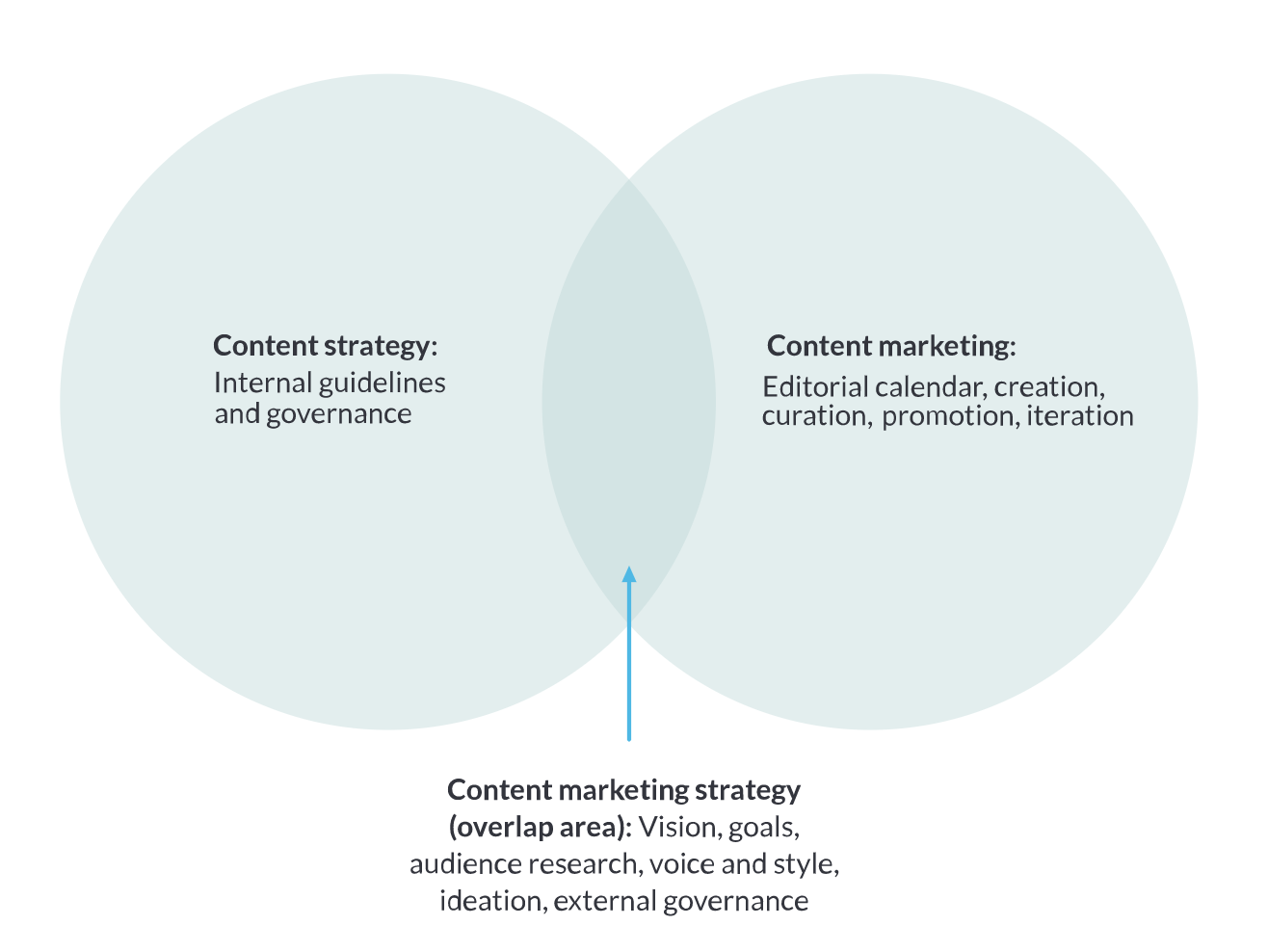
Moz describes content marketing strategy as the overlap between content marketing and content strategy.
moz-content-marketing-strategy.png

At this intersection, you’re able to use the content you’ve created to bring your business plans to life.

If you’re operating without a content marketing strategy, this disconnect makes it difficult for your target audience to know what you want them to do.

However, when you create a plan, you’re putting a purpose behind your content.

Creating a content marketing plan doesn’t need to be difficult.

In fact, Content Marketing Institute outlines how you can create an effective plan in just one page by outlining your objectives, goals, metrics, and strategy.

Once this is done, you’re ready to move on to an editorial calendar.

Your editorial calendar should work hand-in-hand with the content marketing strategy you’ve created.

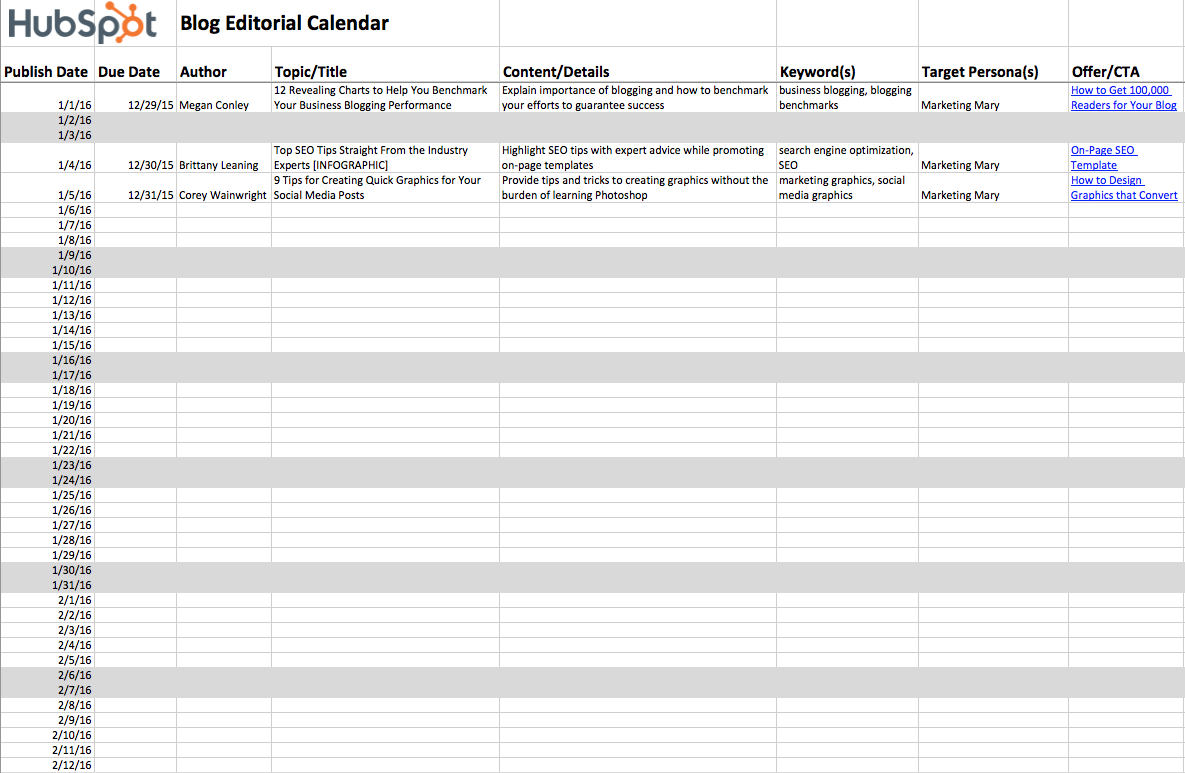
Here’s an example of an editorial calendar template from HubSpot.
hubspot-blog-editorial-calendar.png

This calendar breaks down exactly when you’re going to publish your blog post, as well as the title name, content details, and keywords you’re going to target.

It also shares which personas you’re trying to reach and what you’re going to offer them.

This kind of well thought out planning means each piece of content you upload fits within the content marketing plan you’ve established.

There are dozens of ways you can create an editorial calendar.

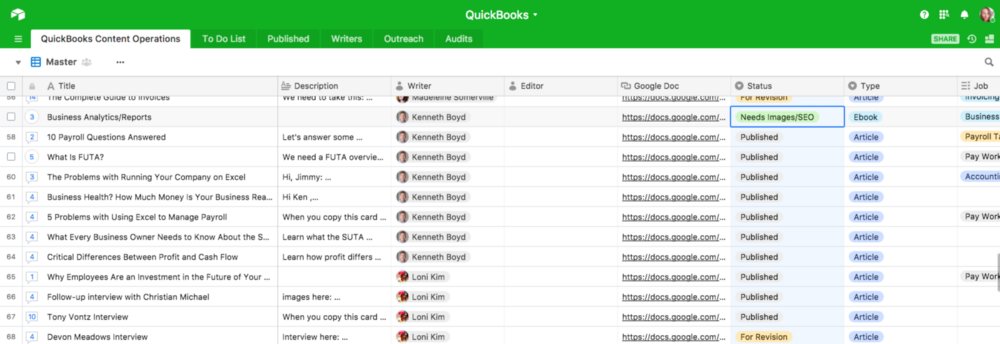
Quickbooks chooses to house their editorial calendar in Airtable – allowing one editor to manage over 4,000 pieces of content.
quickbooks-content-operations.png

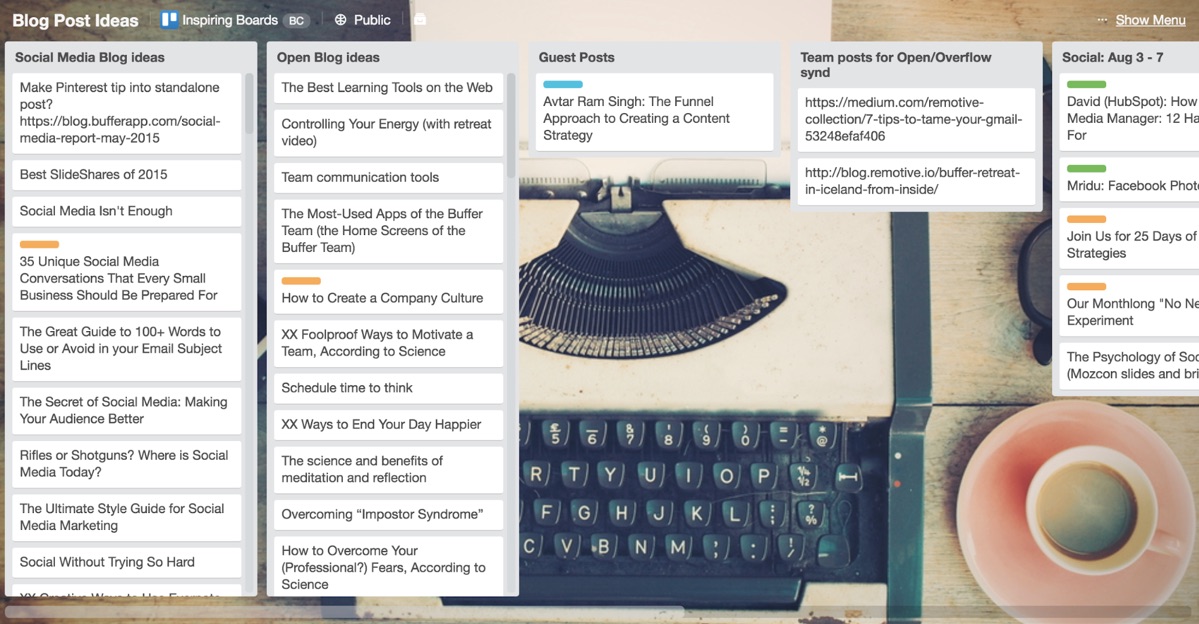
Others, like Buffer, turn to Trello.

buffer-blog-posts-trello.jpg

Personally, I like Asana.

But the tool isn’t the point. The best tool is ultimately the one you can get everybody to use consistently.

2. You’re not publishing enough

When it comes to uploading content, quality beats quantity any day.

However, if you’re just posting once a month, you’re going to struggle to grab any real attention.

Consistency is key to building trust and credibility both with your audience and with search engines.

The idea is simple.

When you create more blogs, you’ll drive more traffic to your website.

With more traffic, you can prove to Google that you have content people want to read.

Once they understand you’re sharing valuable information, they’ll give your content a boost on their results pages – bringing in even more traffic and attention.

However, it’s easier said than done.

If you’re stuffing your website with low-quality information that your audience doesn’t care about, it doesn’t matter how frequently you post.

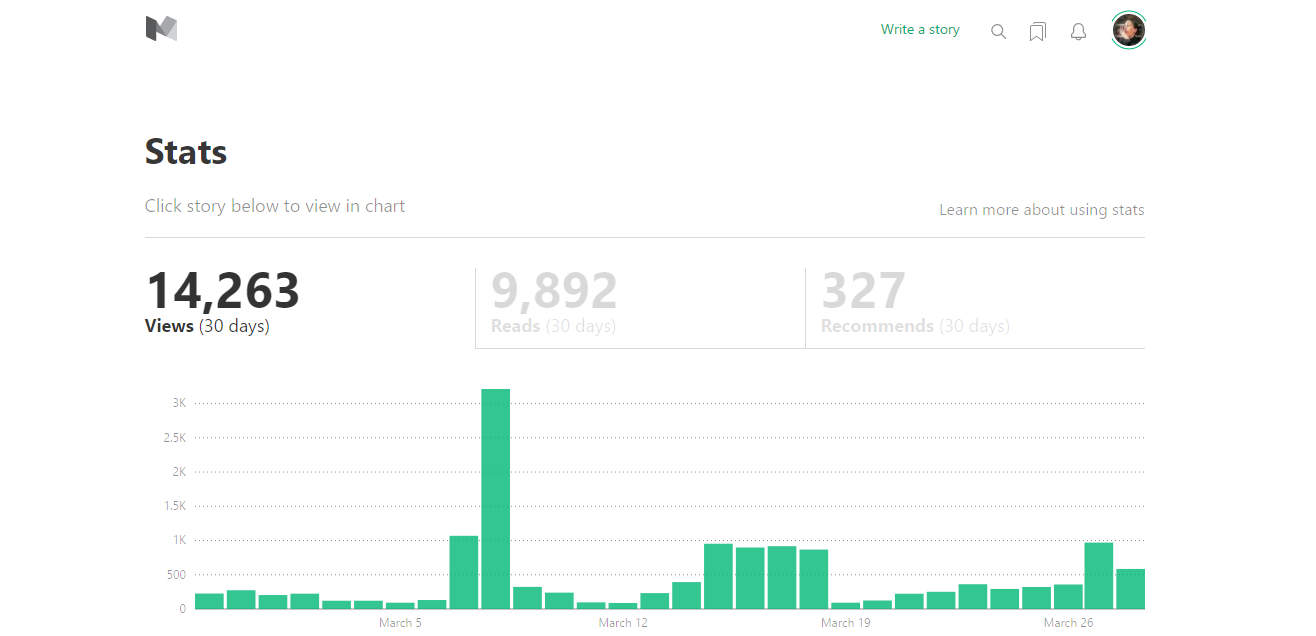
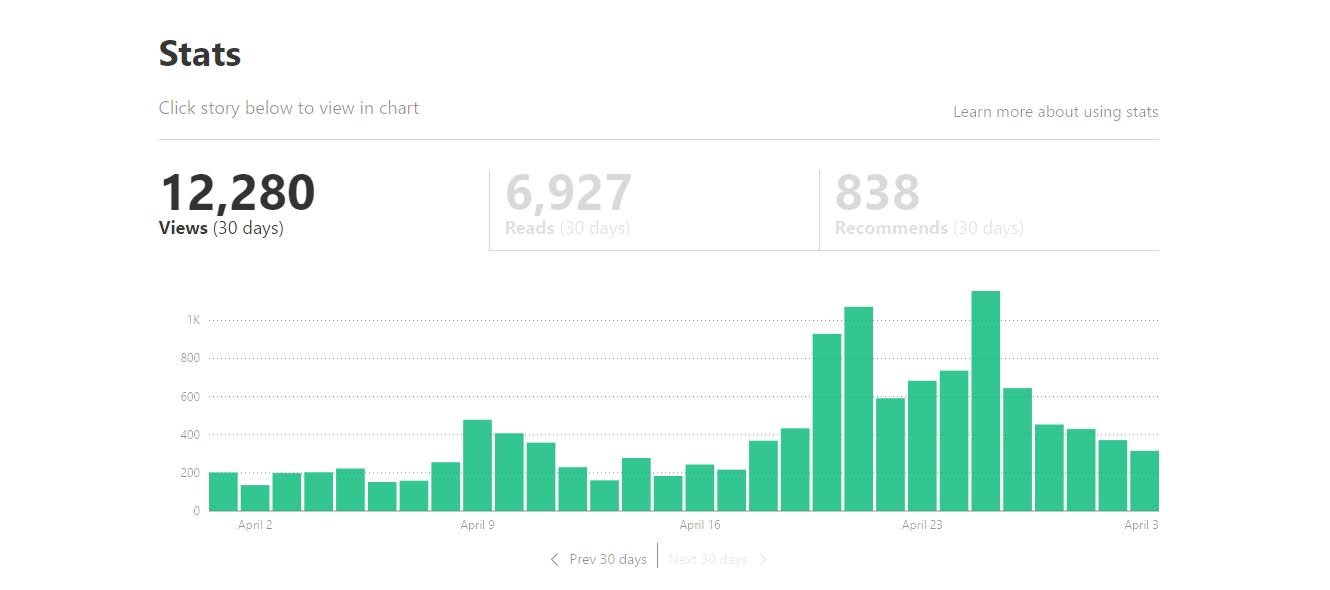
In fact, The Writing Cooperative found that blogging every day actually decreased their views compared to when they were posting just six times a month.

In March 2017, before their posting experiment, The Writing Cooperative was getting about 14,000 views each month.
medium-14k-views.png

But once they began blogging every day, views began to decrease.
medium-12k-views.png

The problem here is that they couldn’t continue to create high-quality content each and every day – and their readers noticed.

The key to getting attention through your content is finding the right balance between quality and quantity.

You also want to go beyond simple blog posts.

While blogging is a great way to bring traffic to your website, it doesn’t appeal to everyone.

Not everyone likes to read blog posts.

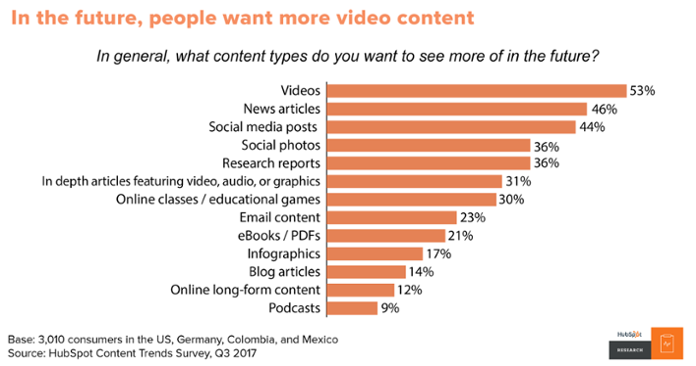
In fact, 53% of consumers said they’d like to see more videos in the future.
what-type-of-content-do-people-want.png

And with customers becoming more and more dependent on voice search and smart speakers, blogging isn’t always the most effective way to deliver content.

When you’re thinking about how often you should publish, you also want to consider what you’re publishing.

Videos can be a great way to grab attention, break down complex topics in a way that is easier for your audience to understand, or show off your products.

For example, Red Bull uses YouTube to show off the extreme sports, events, and competitions they sponsor.

With over seven million subscribers to their channel, Red Bull has one of the most popular YouTube pages out there.

Infographics are another way you can make your content more interesting for your audience, especially if you’re showing off large amounts of data or research.

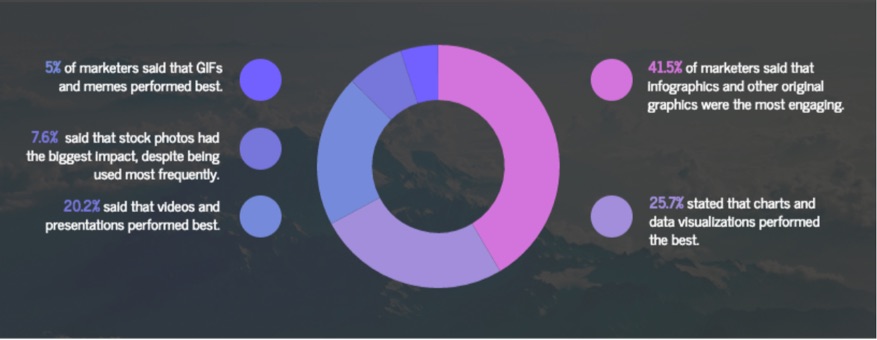
In fact, over 41% of marketers said that infographics were the most engaging forms of visual content for their audience.
visuals-in-content-marketing.jpg

This ranked even higher than videos.

Infographics are insanely popular because they’re easy to skim and visual, making them ideal content for your always-busy customers and clients.

You can also expand your reach and get more attention to your content by producing podcasts.

Podcasts have been increasing in popularity over the past couple of years, with an estimated 67 million individuals listening to podcasts every month in 2017.

Repurposing written content into spoken can help you reach customers who don’t enjoy reading – expanding your audience to new individuals.

When trying to create different kinds of content, don’t be afraid to get creative.

However, you always want to think back to your target audience.

Focus on creating content that your audience will want to engage with.

3. You’re confusing content with sales pitches

Your content shouldn’t sell.

Sure, the whole purpose of marketing is to create interest in your business and drive sales.

But you can’t start out a relationship with a potential lead with a sales pitch.

Today’s customers don’t like being sold to.

That’s mainly because they don’t need to be sold to.

With the Internet at their fingertips, customers are more capable of discovering their options without ever needing to speak with a salesperson.

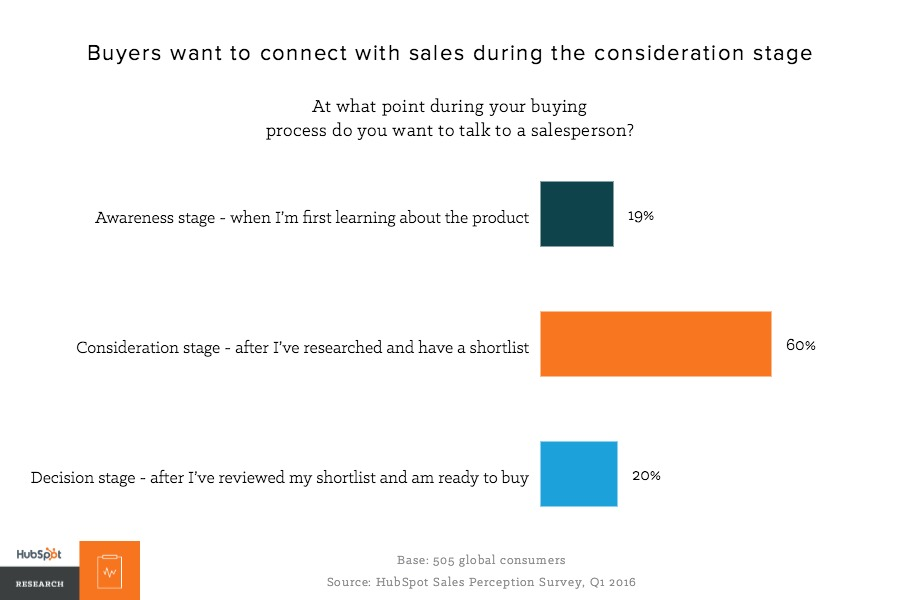
In fact, 60% of consumers won’t connect with a salesperson until they’ve already created a shortlist of potential purchases.
buyers-want-to-connect-with-sales.png

By the time they’re ready to buy, they already know more or less what they’re looking for.

This means you need to use your content to educate them – before you ever have the opportunity to connect.

Your content should be specially formatted to meet the unique needs of your buyer during every stage of their journey.

Let’s break down what that journey looks like.

First, your lead needs to become aware of your brand.

This means you need to be entertaining, engaging, or interesting enough to stand out from the piles of information already on the web.

You can do this in the form of videos, fun blog posts, educational webinars, and engaging social posts.

Take a look at this Instagram post from GoPro.

instagram-gopro.jpg

This high-quality image is attention-grabbing, causing followers to stop their scrolling and take notice.

However, it also shows off what the GoPro is capable of – increasing awareness about the brand and its products.

Next comes the consideration phase.

During consideration, your audience needs to better understand their problem, as well as their available solutions.

The content you might create for them could include product comparison videos or articles, case studies, or podcasts.

Here’s an example of a webinar from Instapage that would attract customers in the consideration phase.

instapage-webinar.jpg

During this webinar, participants learn more about how Instapage and Marketo can help lower their cost of customer acquisition, helping them determine if it’s the right solution for them.

This then brings the lead to the next stage of the buyer’s journey – the decision phase.

At this time, your lead is ready to choose which product or service is right for them.

You can encourage their decision with testimonials, product reviews, and demonstration videos.

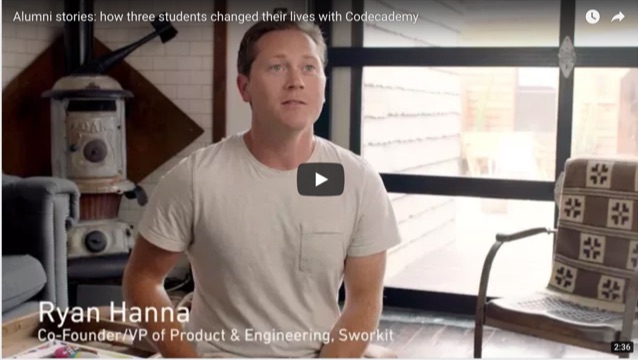
Codeacademy uses their Stories page to share how past participants have used their skills to change their lives or careers.
codecademy-video-testimonial.jpg

These stories function the same as testimonials, allowing potential customers on the fence about purchasing to see how the decision influenced other customers’ lives.

Raphael Paulin-Daigle of SplitBase.io tells ConversionXL, “A type of social proof that works over and over again is testimonials. Whether it’s in video or written form, they’ve helped increase the conversion rate of the clients’ landing pages in every case.”

If your customer decides to buy, they’ve finally reached the delight phase of the buyer’s journey.

Here, they’ve already purchased, but you want to use your content to encourage them to buy again.

You can do this with newsletters, training webinars, or customer satisfaction surveys.

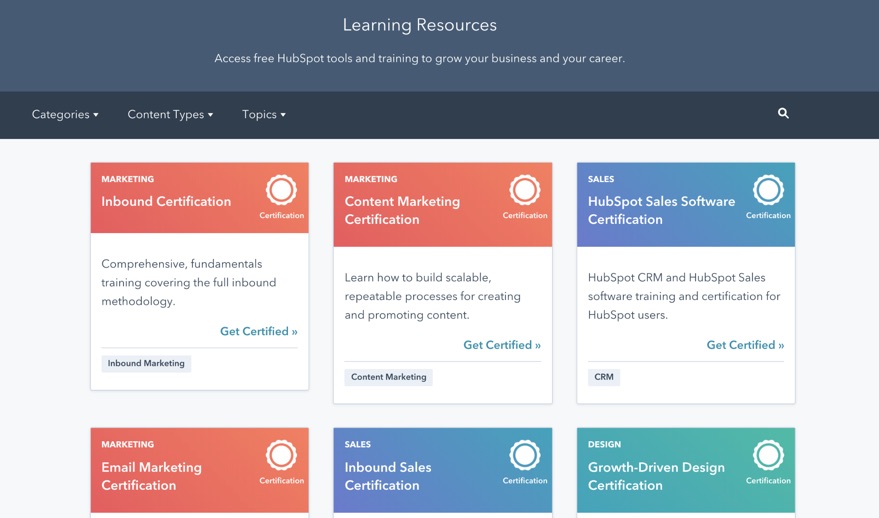
The Hubspot Academy is an example of content that reaches customers who have entered the delight phase of the buyer’s journey.
hubspot-academy-learning-resources.jpg

By offering training and certifications, Hubspot stays in touch with customers while providing content that can improve their experience as a customer.

Notice how none of these content forms include a sales pitch.

Instead, during each step of the way, the focus is on the customer and helping them find the right solution to their problem.

When your audience feels like you’re helping them, they’ll be more inclined to engage with your content.

4. You don’t know your audience

When you create a piece of content, do you know who you ultimately want to engage with it?

You’re probably thinking “customers.”

Unfortunately, just trying to attract anyone with a credit card isn’t going to get you great results.

With the mass amounts of content and information on the Internet, customers can find content that speaks directly to them – no matter how niche that might be.

To get attention, you need to find your audience and create content just for them.

When you focus your content, you might be narrowing down your audience pool, but you’re making deeper connections.

This can help you see real growth from your content.

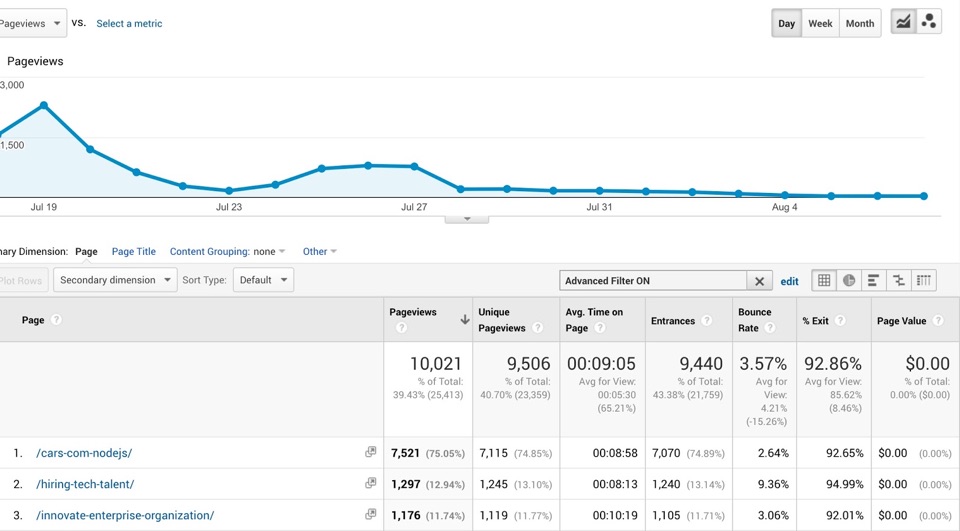
Let’s take a look at how Modernweb used a hyper-targeted content strategy to bring in 10,000 visitors in just three weeks.

They started with defining their “who.”

And they got specific.

They came to the conclusion that they would be writing for “technology executives inside of enterprise companies.”

While they had clients who owned startups and small businesses, they weren’t their ideal client. So, they weren’t an area of focus.

Next, they dove into understanding the day-to-day pain points that those individuals experience.

Finally, based on the audience and pain points they established, they created a content plan that addressed those needs.

In this case, Modernweb decided they’d focus on sharing stories from enterprise businesses who had recently switched from older to newer frameworks.

They identified their audience, understood what they were struggling with, then presented them with content that explained how similar individuals handled the same problem.

In just three weeks, their web traffic saw a major jump.
google-analytics-traffic-drop.jpg

Just from getting to know their audience, they were able to bring more unique visitors to their website and keep them engaged for an average of 9 minutes.

There are a few different ways you can begin to replicate Modernweb’s results.

First, create a buyer persona.

A buyer persona walks you through who your ideal client is.

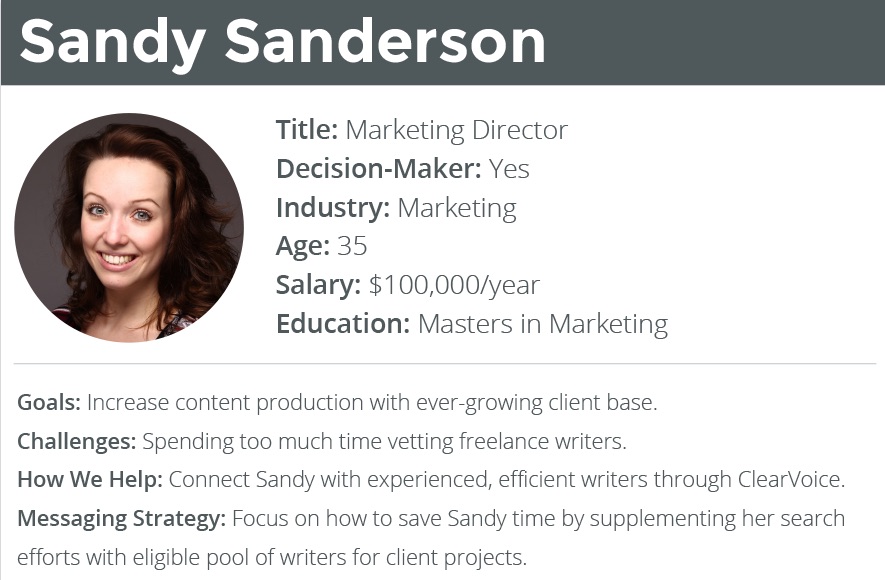
Here’s an example from ClearVoice.
clearvoice-female-buyer-persona.jpg

It breaks down exactly who they are, what problems they experience, and what kinds of solutions they might be looking for.

You can go deeper into your buyer persona to explain things like what they do each day, what kind of education level they have, or what they might do in their spare time.

The more detailed you can get with your buyer persona, the more targeted you can make your content.

If you have a wide range of products or services, you may also want to create multiple personas.

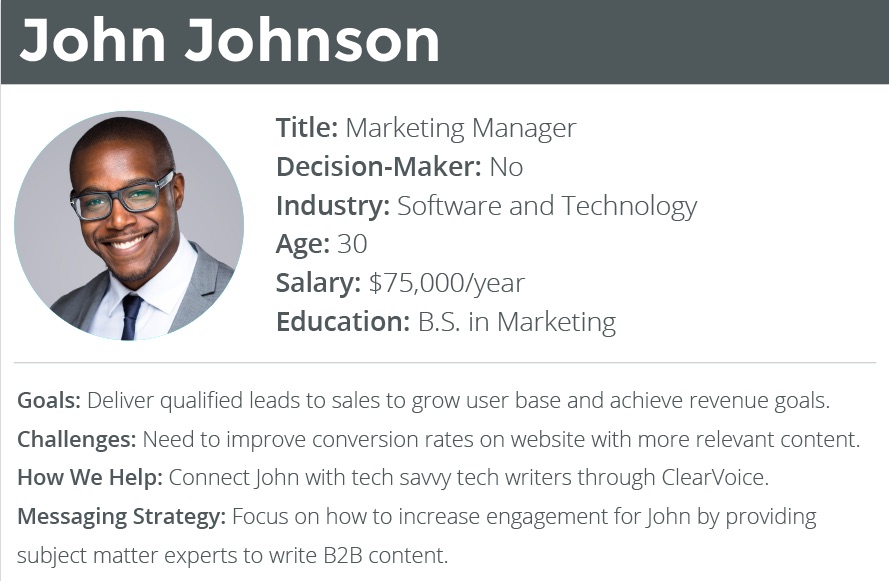
For example, here’s another example from ClearVoice.
clearvoice-male-buyer-persona.jpg

While both John and Sandy have similar needs, they have different goals and challenges – meaning they’ll need to be targeted differently.

This can ensure that each of your audience members is well represented.

Next, pay attention to what they’re doing on social.

Monitoring your customer’s social activity can give you insights into the problems they’re facing, the solutions they may want, and what questions they may have.

You can then use this information to refine your content and guarantee you’re creating something they care about.

Check out the questions they’re asking on traditional platforms like Facebook or Twitter, but also dive into question sites or forums like Quora and Reddit.

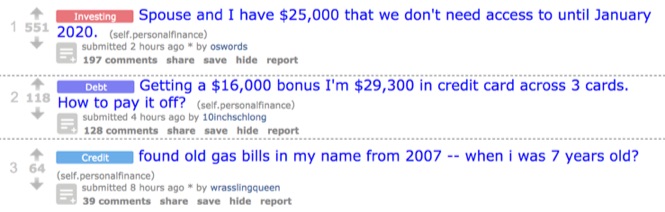
For example, if you’re a personal finance firm looking for content ideas, the Personal Finance Reddit page can be a goldmine.
personal-finance-reddit.jpg

Users are constantly jumping on to ask questions about paying off debt, how to properly invest, or get advice on what to do in credit scams.

Knowing the real-life struggles your audience is facing can help you adjust and refine your content strategy to truly fit their needs.

Both of these pages can give you a great jumping off point for creating new content.

Finally, participate in conversations with your audience.

Get involved in Twitter Chats or Facebook Groups where your audience is hanging out.

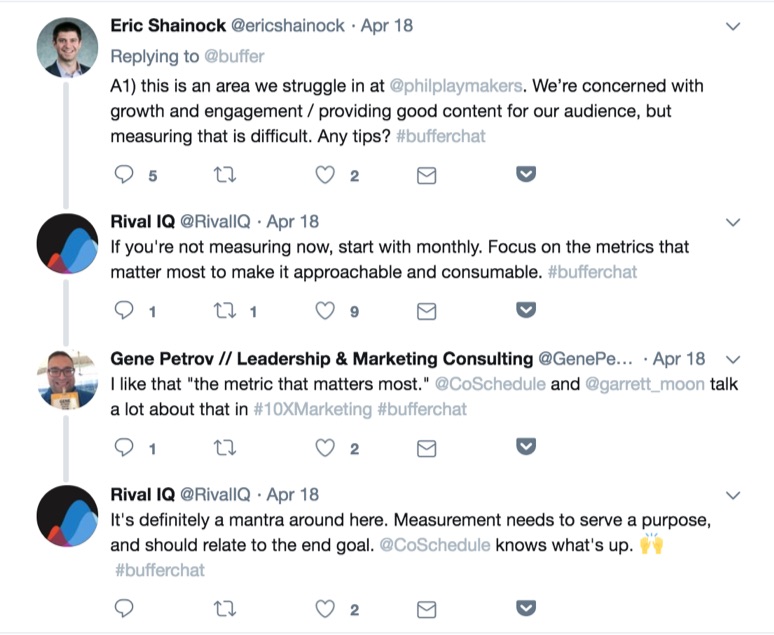
Check out how RivalIQ gets involved in a conversation with a participant during the #BufferChat.
bufferchat-on-twitter.jpg

Not only does this allow them to make a great impression, but it also gives them some insight into what potential customers may be struggling with.

As you become familiar with the conversations they’re engaging with, you can refine your messaging and topics to better suit their needs and preferences.

5. Your voice isn’t genuine

Customers want to purchase from companies they believe they can trust.

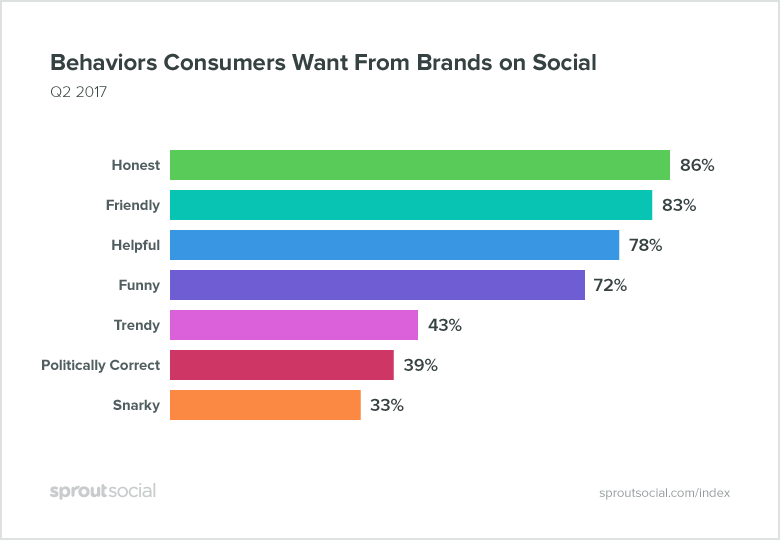
In fact, the top quality that customers look for in a brand is honesty, followed by friendliness and helpfulness.
behaviors-consumers-want-from-brands-on-social.png

However, if it seems like you’re just putting on a persona for sales, they’re going to be hesitant to connect.

When creating your brand voice, it needs to connect who your brand is with who your audience thinks your brand should be.

Let’s consider this graph for a second.

Snarkiness is the last thing that customers what when it comes to brands on social media.

However, when we look at brands like Wendy’s and MoonPie, their attitude gets them hundreds of thousands of engagements.

So, what’s going on here?

Both Wendy’s and MoonPie have made it their brand persona to be snarky, witty, and sarcastic on social.

It’s who they are – and that’s why it works.

They’re not pretending to have an attitude just for attention.

It’s a unique indicator of their content, allowing them to create a reputation that makes customers want to connect.

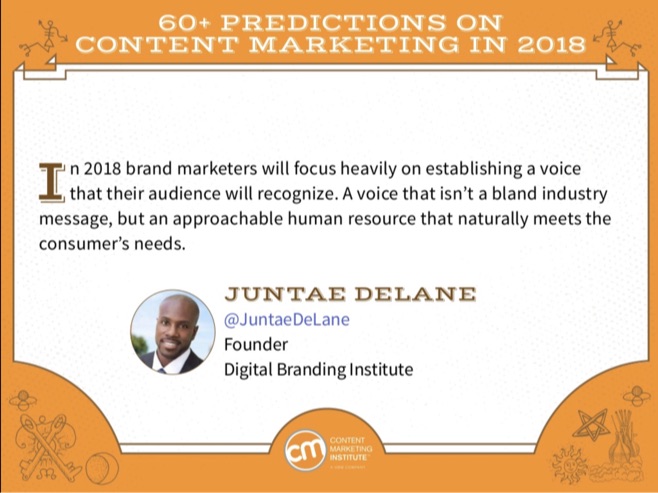
Check out this quote from Juntae Delane, Founder of Digital Branding Institute.
content-marketing-predictions-for-2018.jpg

According to Juntae, a brand’s voice needs to go beyond simple industry jargon and bland business tones.

Instead, it needs to match with the customer’s needs and provide a human element to the brand.

You can build your brand voice off the buyer persona you’ve created.

Based on your buyer persona, get familiar with the kind of language, tone, or colloquialisms your audience may be using.

Check out how they speak on their own social media platforms.

Then, take a look at the competitors or other brands they’re engaging with.

Once you’re familiar with the way they communicate, create a storyboard for your voice.

Think of your brand as a unique individual.

Outline what your brand likes, what they don’t like, how they perceive themselves, and how they want to be perceived by others.

You’ll also want to dig deeper to consider larger ideas that might not have any direct influence on your brand.

Today’s customers are expecting brands to be more than just a business.

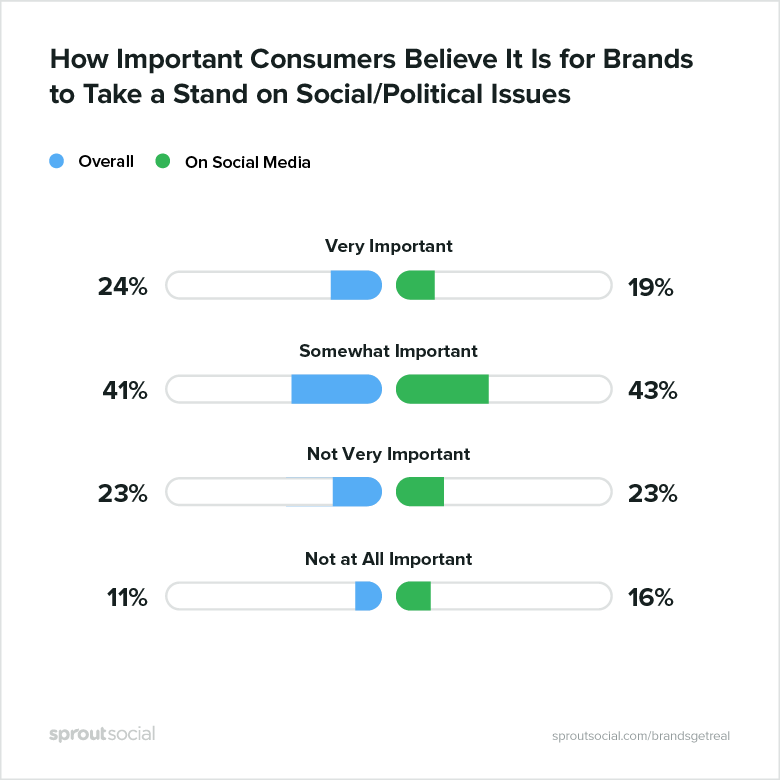
For example, 65% of consumers believe it’s important for brands to take a stand on social or political issues.
brands-on-social-political-issues.png

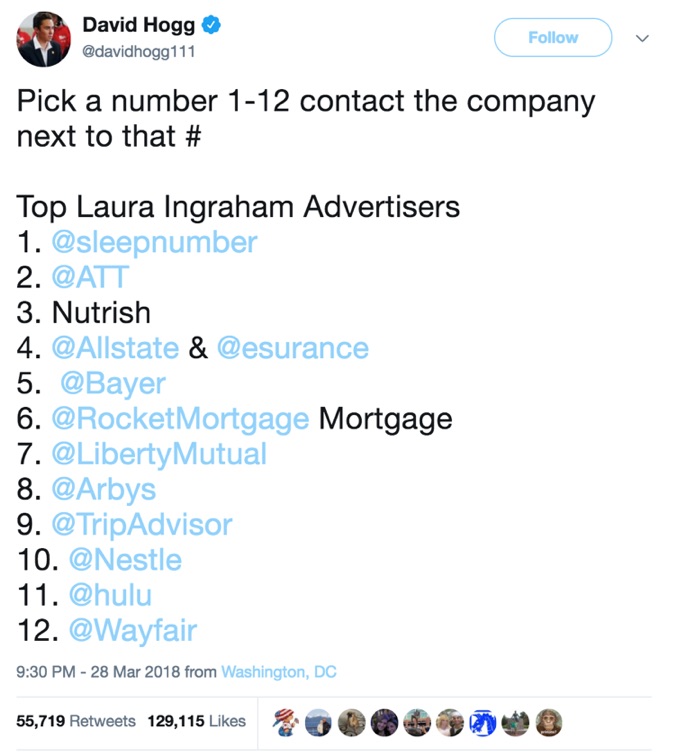
Take a look at the conversation created around Fox News anchor Laura Ingraham criticized Parkland school shooting survivor and gun control advocate, David Hogg, for getting rejected from four colleges.

David responded by calling out all of Ingraham’s advertisers, asking them to pull their support of the show.
david-hogg-attacking-laura-ingraham-advertisers.jpg

Within a few days, companies like Hulu, Bayer, and Nutrish had announced they’d be pulling the ads from Ingraham’s program.

After a few weeks, the program had lost 24 advertisers.

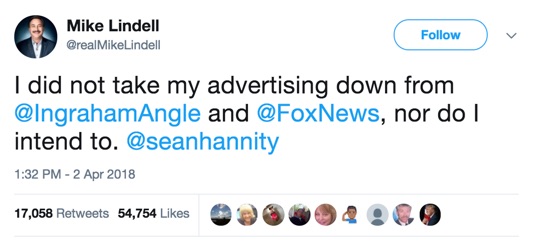
However, not all advertisers chose to separate.

Mike Lindell, founder of the MyPillow, announced he would be leaving his advertisements on the program.
mike-lindell-supports-fox-news.jpg

By becoming a part of important conversations and debates, brands can refine their voice and make their opinions and beliefs more well known.

While it’s impossible to prepare for every kind of hurdle or backlash your brand may experience, knowing where your brand falls in these situations can help you create consistent messaging through your content.

6. You’re not promoting

Remember when Beyonce released a surprise album without any marketing?

In three days, she sold almost 830,000 albums.

It was impressive.

However, if you’re trying to use this tactic to promote your content, you’re in for a rude awakening.

Unfortunately, you’re not Beyonce.

And that means you need to promote.

Proper content promotion is really the key to getting attention to your content.

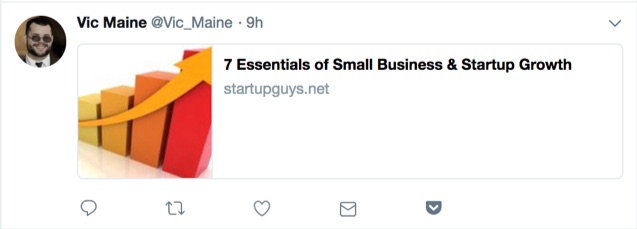
If you’re simply posting links to your latest blog post on your Twitter account, you’re probably going to get ignored.

Take a look at this Tweet from user Vic Maine.
vic-maine-tweet.jpg

It’s just a link, featuring no context, hashtags, or other interesting information that might entice the reader to engage.

So, it’s not really surprising to see it hasn’t started any conversations or gotten any traction.

However, you can refine your promotion strategy to include email marketing, social, forums, and influencer marketing to improve your results.

First, let’s take a look at social.

Companies have been promoting their content on social for years.

However, the way you should promote and where you should promote is always changing.

Just one shift to the network’s algorithm or design (or even a negative post from an influencer) and your entire promotion strategy might be turned upside down.

Take a look at Facebook, for example.

After changing their algorithm, many brands reported a drop in organic reach.

However, you can work around this algorithm shift by either paying to promote your content or creating content that your audience wants to engage with.

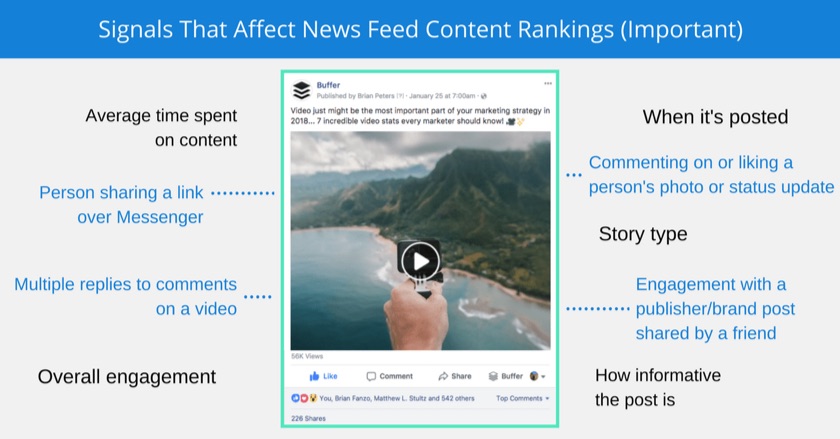
Check out this breakdown Buffer created of important signals that can influence your ranking on Facebook.
signals-in-facebook-news-feed-ranking.jpg

As you can see, some of the most important factors of what gets ranked depends on how users are interacting with the post.

This means you want to focus more on creating content that individuals want to engage with, rather than strictly shock-value content.

You should also make your content easy for your readers or viewers to share your content on their own.

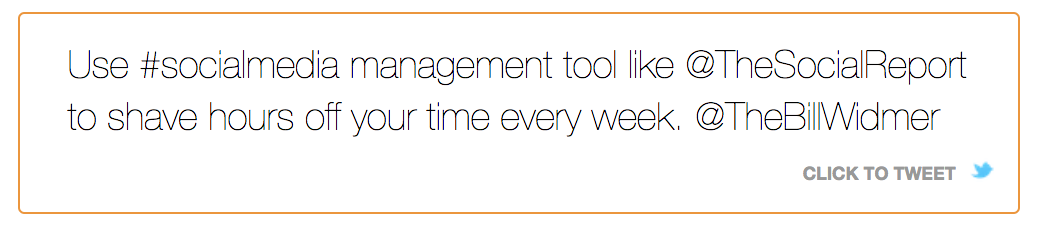
Within blog posts, including “Click to Tweet” bars or share buttons can help encourage visitors to share the content with their friends or family – helping to improve your reach.

Content Marketing Institute frequently uses Click to Tweet bars to make it easier for their readers to share their content.
click-to-tweet.png

You can also use more targeted marketing approaches to help reach your audience, such as email marketing.

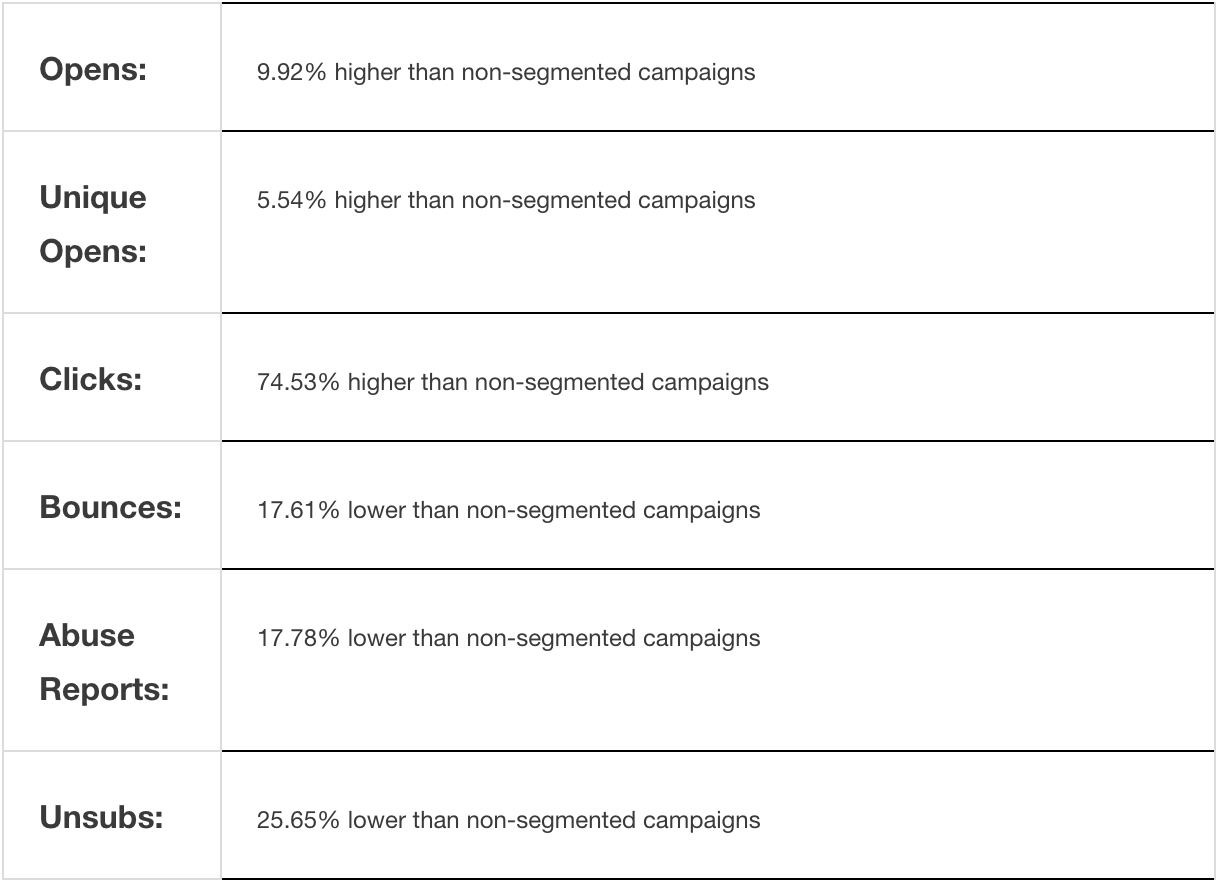
When you properly segment your email lists, you can share your content with individuals you already know are interested in what you’re sharing.

Take a look at the results MailChimp found for campaigns segmented by interest groups.
mailchimp-campaigns-segmented-by-interest-groups.png

By sending specific content to your audience members based on their interests, you can dramatically improve your campaign results.

7. Your content isn’t properly optimized

Promoting your content is just one side of the coin.

To truly bring attention to what you produce, you want your audience to be able to find what you’re creating.

This means it needs to be properly optimized.

Each piece of content should comply with your greater SEO strategy.

This means going beyond just creating content that your audience wants to read or engage with.

Keywords should be factored into each piece of content you create.

By finding words or phrases that your audience is actually searching online, you can increase your chances of them finding you.

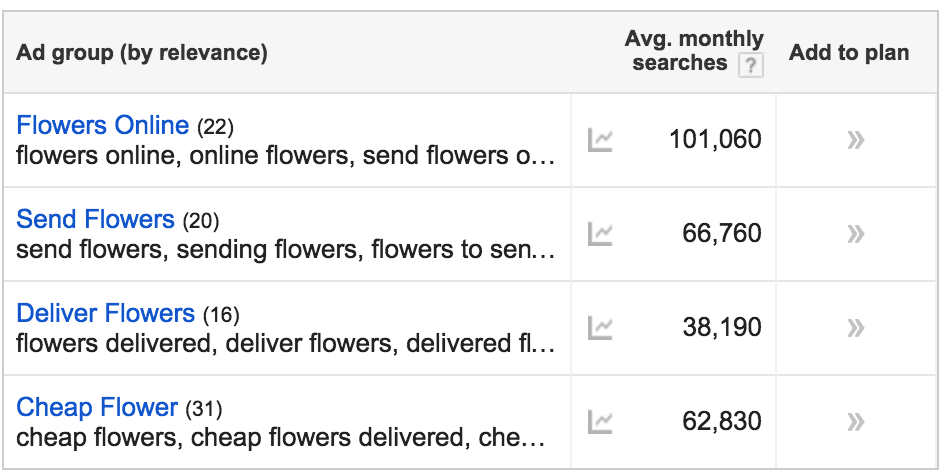
The Keyword Planner from AdWords is one way you can find new keyword opportunities.
flowers-online-adwords.png

You want to find keywords that are high in average monthly searches but low in competition.

Don’t simply guess at what you think your audience wants.

You also want to make sure your content is properly formatted.

Your titles and heading should be strong and capable of standing on their own.

According to CopyBlogger, 8 in 10 individuals will read a headline – but only 2 in 10 will read the rest.

This means you need to create headlines that your audience can’t resist.

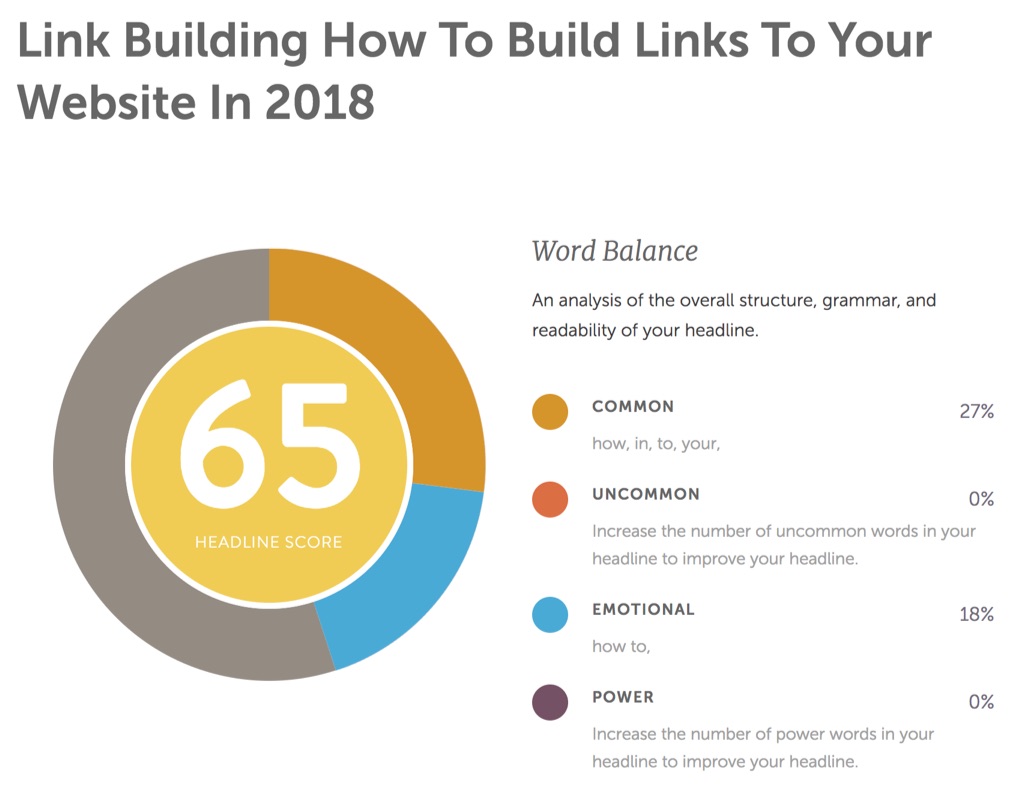
The CoSchedule Headline Analyzer is one tool you can use to improve your headlines.
word-balance-in-headline.jpg

The tool analyzes your word balance to give you an overall score out of 100.

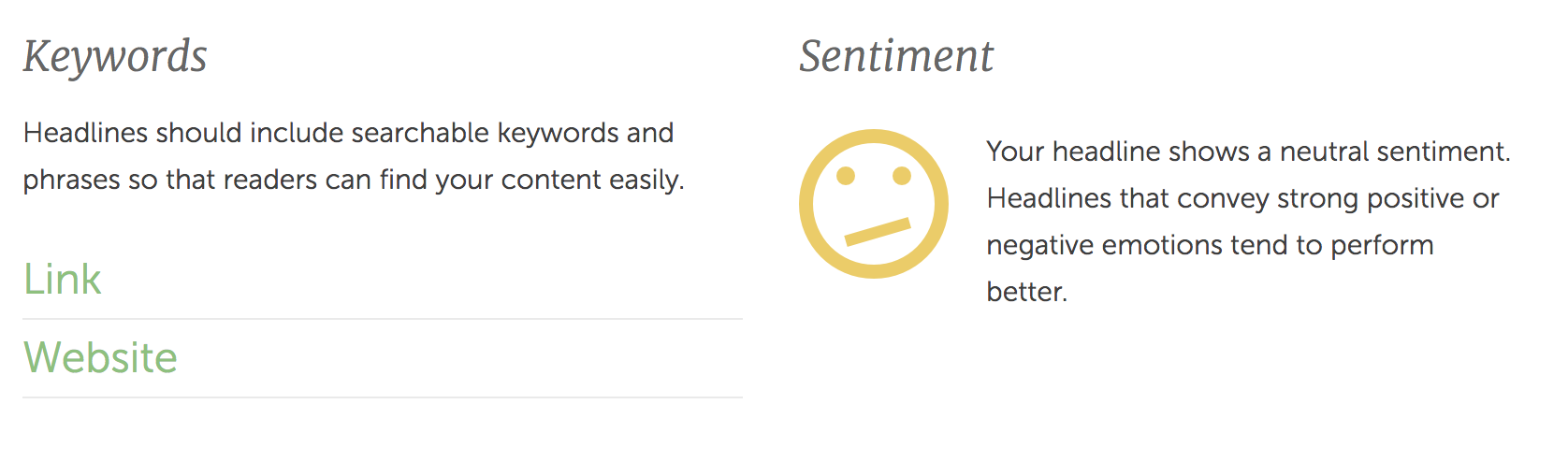
It also provides you with insights on length, sentiment, and even guesses which keywords it believes you’re targeting.
headline-keywords-and-sentiment.png

This can help you test the strength of your headlines before you post, saving you trouble and guaranteeing higher results.

But blog content isn’t the only thing you need to optimize.

You also want to make sure your videos, infographics, and images are optimized appropriately.

To optimize your videos on YouTube, start with an optimized title that describes the video and includes the keyword you’re trying to rank for.

This isn’t too much different than writing blog titles.

However, you also want to tag your videos appropriately and write a full description.

Your video description lets the YouTube algorithm know what your video is about.

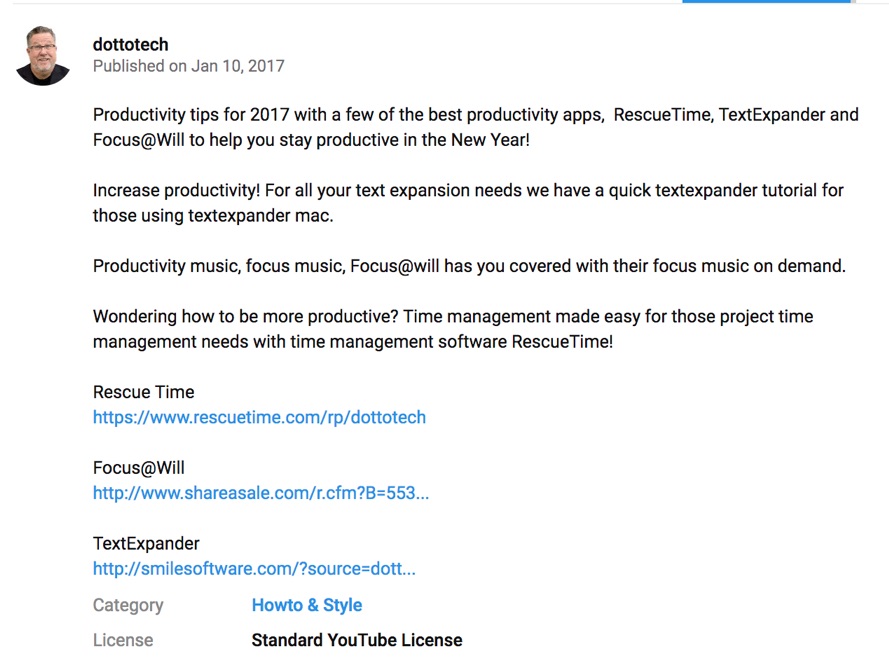
Check out this description from a DottoTech video.
dottotech-youtube-video-description.jpg

He provides a clear overview of what will be featured in the video, as well as some links to the apps he’s going to talk about.

This can help improve his connection to those pages and gives him the opportunity to further target his keywords.

Images are another area you’ll want to ensure are properly optimized.

First, make sure you’re using high-quality images that are the appropriate size for where they’re being placed.

This can help improve your page load time to keep visitors happy.

You can use a compressor tool to change the size of your image without hurting the quality.

You’ll also want to place the keyword you’re trying to target in the file name.

Because Google can’t actually see what your image is, it’s your responsibility to tell them.

Use captions, alt text, and title text to give Google a better understanding of the image you’re sharing.

Conclusion

In today’s digital age, you can’t afford to create content that is easily ignored.

However, it takes time to craft messaging that your audience will want to engage with.

Keep these seven tips in mind the next time you create content.

What tips or tricks have you found that improve your content-creation process?

About the Author: Neil Patel is the cofounder of Neil Patel Digital.

KISSmetrics?d=yIl2AUoC8zA KISSmetrics?i=waJX8h6dmiY:pACrevfgM-0:F7zBnMyn0Lo KISSmetrics?i=waJX8h6dmiY:pACrevfgM-0:gIN9vFwOqvQ KISSmetrics?d=qj6IDK7rITs KISSmetrics?i=waJX8h6dmiY:pACrevfgM-0:D7DqB2pKExk waJX8h6dmiY

Read more: feedproxy.google.com

https://bluetoothproximitymarketing.info/7-reasons-why-nobody-is-reading-your-content-and-how-to-grab-their-attention/

Wednesday, April 18, 2018

Hack Your Way to 62,980 Blog Readers with These 9 Tips


blog-reader-growth-hacks.jpg

Back in 2014, CrazyEgg’s blog traffic jumped to 62,980 visitors in a matter of a few months.

That’s represented a 206% increase in the blog’s readership.

This might sound like the result of black magic.

But it’s not. It’s more like strategy.

I believe that every brand with a blog can achieve numbers like this if they put their efforts in the right place.

Everyone can blog.

Everyone can succeed as a blogger.

Everyone can hack their way to thousands of new website visitors and a regular readership.

The trick is simply knowing what to do and where to do it.

To help you achieve your brand’s blogging goals, I’ve put together a list of my top nine hacks that can build your reader base.

But before we get started, I want to make sure you’re on board with content marketing and show you just how vital it is to success on the Internet today.

Should your brand be blogging?

Yes! Your brand absolutely should be blogging. 

Every brand should blog whether they’re B2B or B2C.

There are benefits for everyone.

Content marketing is one of the most profitable long-term strategies you can be doing in your business right now.

Why am I so adamant about content?

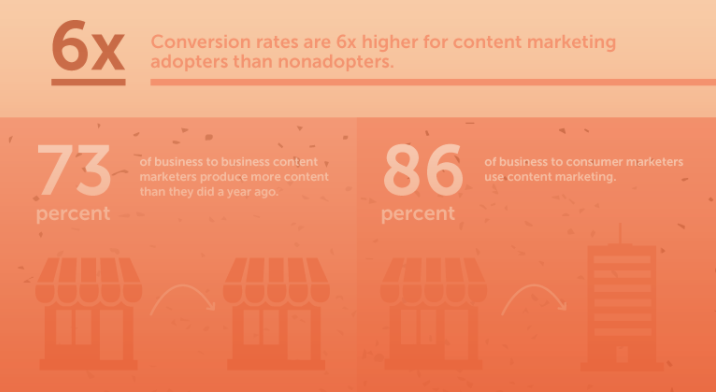
Because studies have shown that adopters of content marketing see conversion rates that are six times higher than non-adopters.

content.png

With improvements like that up for grabs, it’s hard to pass up the opportunity to start creating content.

And many companies have started. 86% of B2C marketers are now using content marketing for their brand.

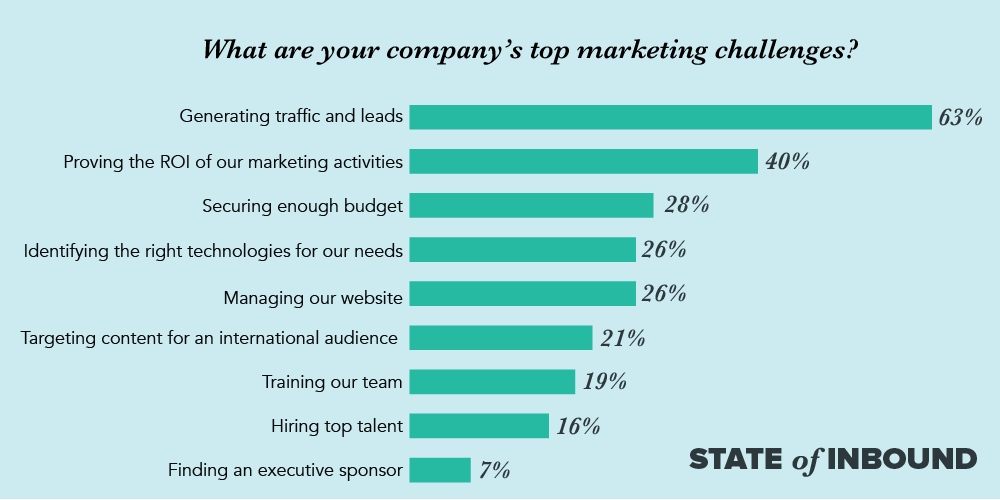
This all sounds great, but the truth is that despite the potential success of content marketing, generating traffic is the biggest issue marketers face.

SOI-blog-top-challenges4-1.png

It even outstrips the notorious headache of trying to calculate ROI.

But you see the dilemma here for someone trying to attract readers to their blog.

It’s a problem we all have – even experienced marketers like me.

And when you’re just starting out, it can be that much more difficult to know what the actual best practices are to build a loyal readership for your blog.

It can feel like an insurmountable mountain.

Ultimately, the discouragement could lead to you drop your content efforts altogether.

But that’s the last thing that you should do.

That means finding ways to create a brand-building content strategy should be at the top of your list.

To keep your blog active and help you stay motivated, I’ve compiled my nine best hacks for building a blog audience.

The first one goes back to your old high school English class.

Hack #1: Write for the Internet, not your English teacher

Whether you liked English class or not, there’s always a bit of it that stays with you.

Most likely, you still feel like any writing endeavor should be at least five paragraphs long with an intro, body, and conclusion.

And each of those paragraphs should be at least three sentences long, double-spaced, and sourced in Chicago style.

You’ve probably noticed already that I’m not writing that way.

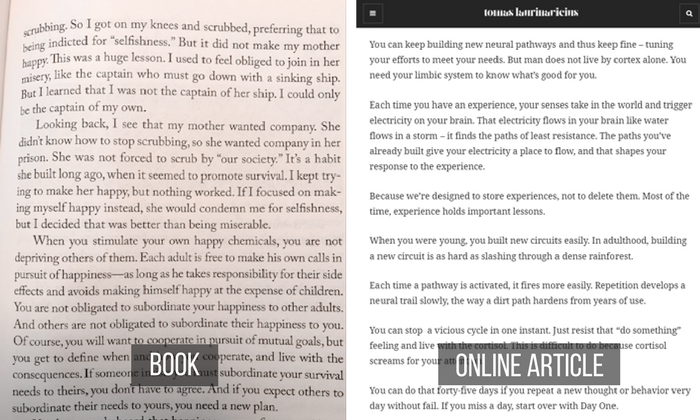
That’s because writing has changed.

001-book-online-article-contrast.png

You no longer write predominately for print.

Unless you’re a journalist for a publication, you need to adapt your style to match your audience.

An online audience doesn’t want book-style writing.

That’s why you need to learn the two rules of online writing:

Use short paragraphs.
Rhythm determines what’s next.

Everything else in online writing falls under these two rules.

The emphasis is on flow, topicality, and creating skimmable and shareable content.

Browse the clip below from a blog post and look for the elements that stand out:

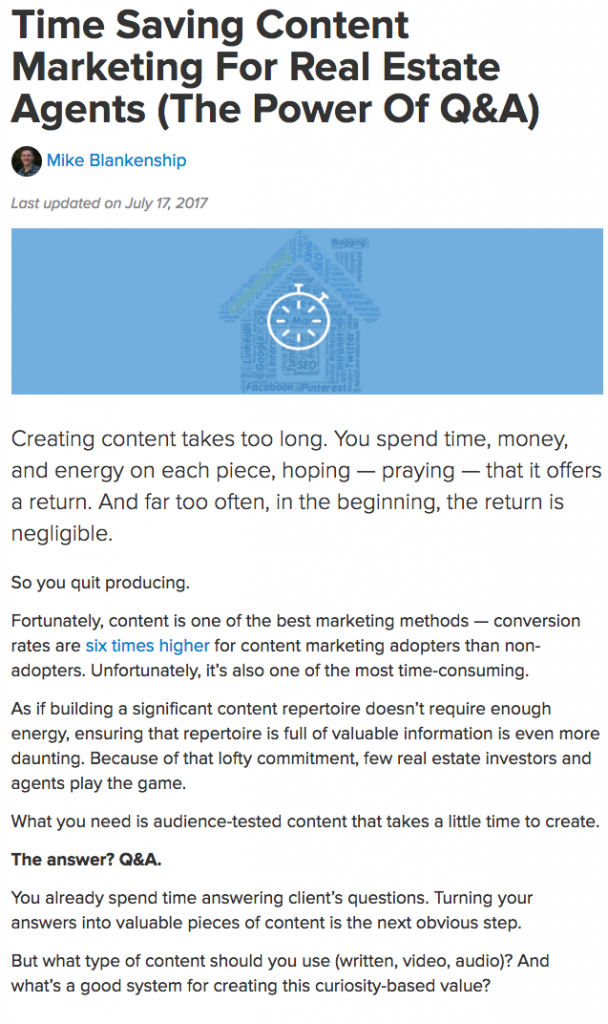
004-paragraph-structure-to-guide-readers-608x1024.pngThere are plenty of things to note here.
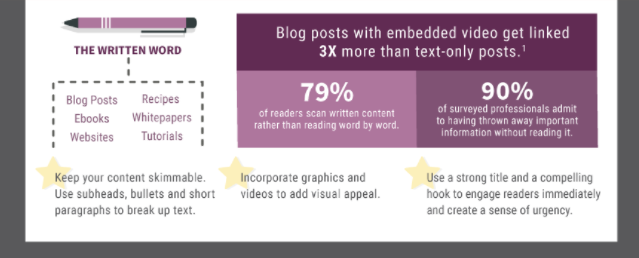
Various font sizes draw the eye from the headline to the introduction.

Then, the blue link in the middle piques your curiosity. What is six times higher?

Then, you’re eyes move toward the bolded words.

From start to finish, your skimming took about ten seconds.

In that short amount of time, you were able to determine what the article was about, find supporting evidence, and see an assertion.

It’s a great example of how writing for the Internet can draw your audience in quickly and effectively.

The big takeaway here is to make your content skimmable.

storytelling-2.png

Whether you like it or not, 79% of your audience is only going to skim your content.

That’s not likely to change, either.

Not everyone will read your content.

Don’t be hurt by that.

Instead, create content that is easily skimmable and still provides value.

To help you achieve this, I recommend consulting style guides, top blogs, and comprehensive posts to help sharpen your writing skills.

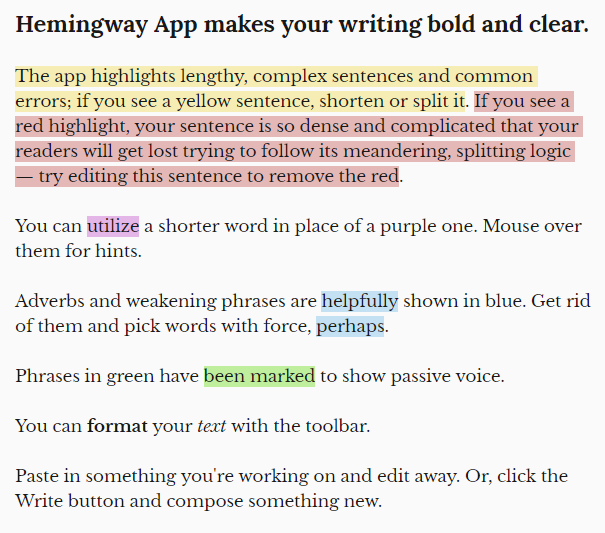
Or, use a tool like the Hemingway App to help you edit your content.

hemmingway.png

As you can see, it helps you visualize the difficulty of reading your content online.

You can use this tool to help you fine-tune your structure and grammar to boost readability.

Achieving just this hack alone can help boost the rate at which your audience reads and shares your blog post on social media.

It will also lay the foundation for future growth.

Those are pretty great results from one simple hack, right?

Hack #2: Dangle the carrot

How do you get your audience to read your content?

You have expertise in your industry that you need to share.

You hopefully know the pain points surrounding your product or service. Of course, your audience also knows those pain points, and they want a solution.

The solution is the carrot you get to dangle.

Dangling a carrot can entice your readers to browse less and read more.

And there are a few methods you can use to achieve this.

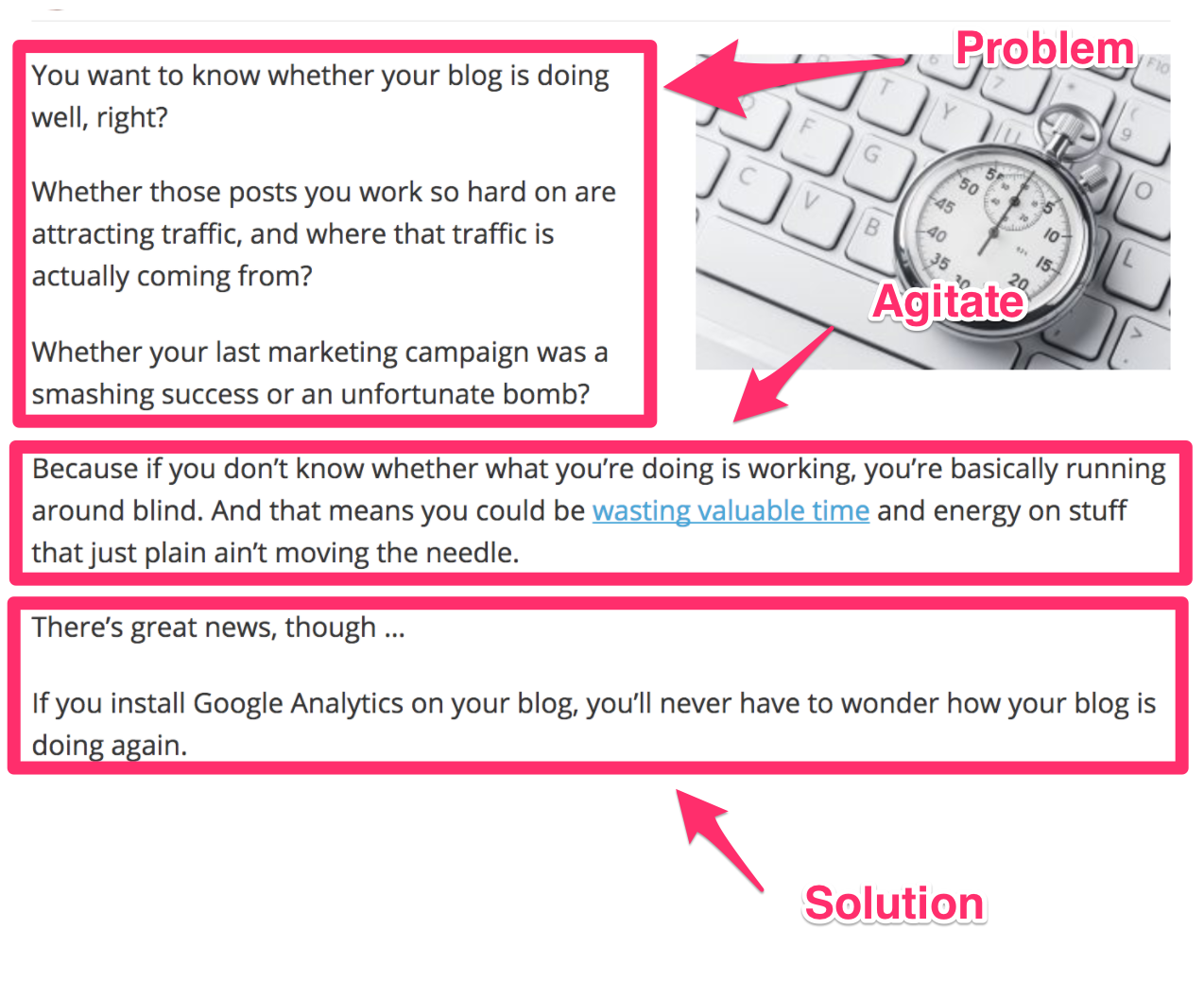
One of them is the Problem, Agitate, Solution method (or PAS).

pas.png

Personally, I love this method.

It’s a great way to engage with your readers and display empathy.

While it can be pretty formulaic, I find that there’s something irresistible about a blog writer conveying an understanding the issue, showing you why it’s so important, and then offering a balm.

Go back and look at this hack again up to this point.

Can you spot where I introduced the problem, agitated it a little, and then offered you a solution?

That’s pretty powerful, right?

But PAS isn’t the only way to draw in your readers.

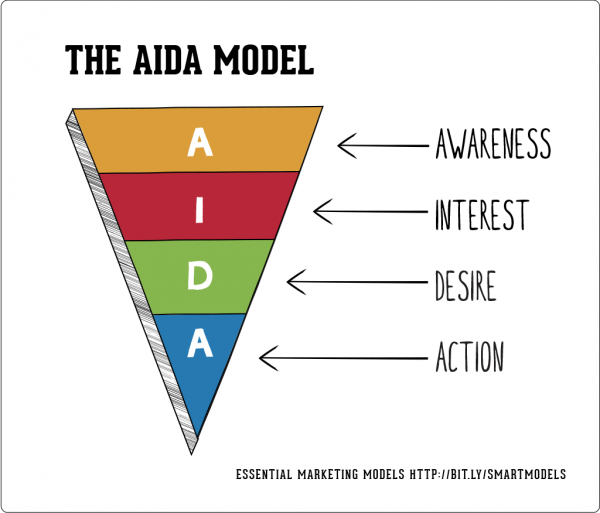
Another method you could use is called the AIDA Model.

The-AIDA-model-600x513.png

This is another popular formula that helps you dangle the carrot of your expertise in front of an attentive and willing audience.

Here’s how it works.

Start by grabbing the reader’s attention with headlines, imagery, and relevant topics.

Then, pique your reader’s interest with an engaging introduction and engaging copy.

Use your authority and the flow of your arguments to build a strong desire for your solution.

Finally, call your reader to action immediately.

If you do all that, you’ll convert a visitor into a lead and take them one step closer to becoming an advocate for your brand.

Hack #3: Put in more time

How much time does it take to create a blog post worthy of close reading?

Do you write your posts within an hour or two?

This has been a hot topic for years, and my opinion is that the longer you spend on an article, the better it will be.

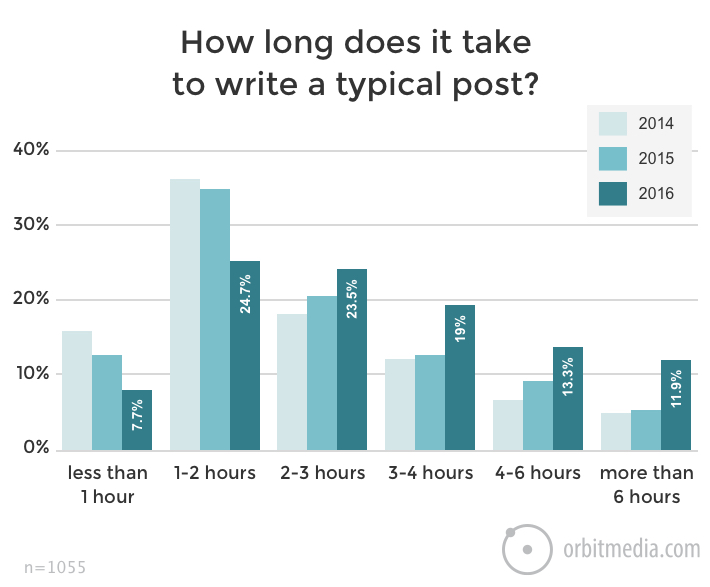
And it seems that people agree because more marketers are spending more time creating blog posts with each passing year.

Q1.jpg

Have you ever spent more than six hours on a blog post?

I know I have.

Actually, I spend more time than that quite often.

But why are marketers just now starting to spend more time on their content?

I believe it’s because people have begun to realize that there’s a vital element of content creation that requires the blogger to put extra time in:

Word count.

The truth is that blogging should take you longer because you should create a higher word count.

That means that those blogs you’ve been reading that say that 400-600 words is the ideal length of a blog post are wrong.

Why is a high word count important?

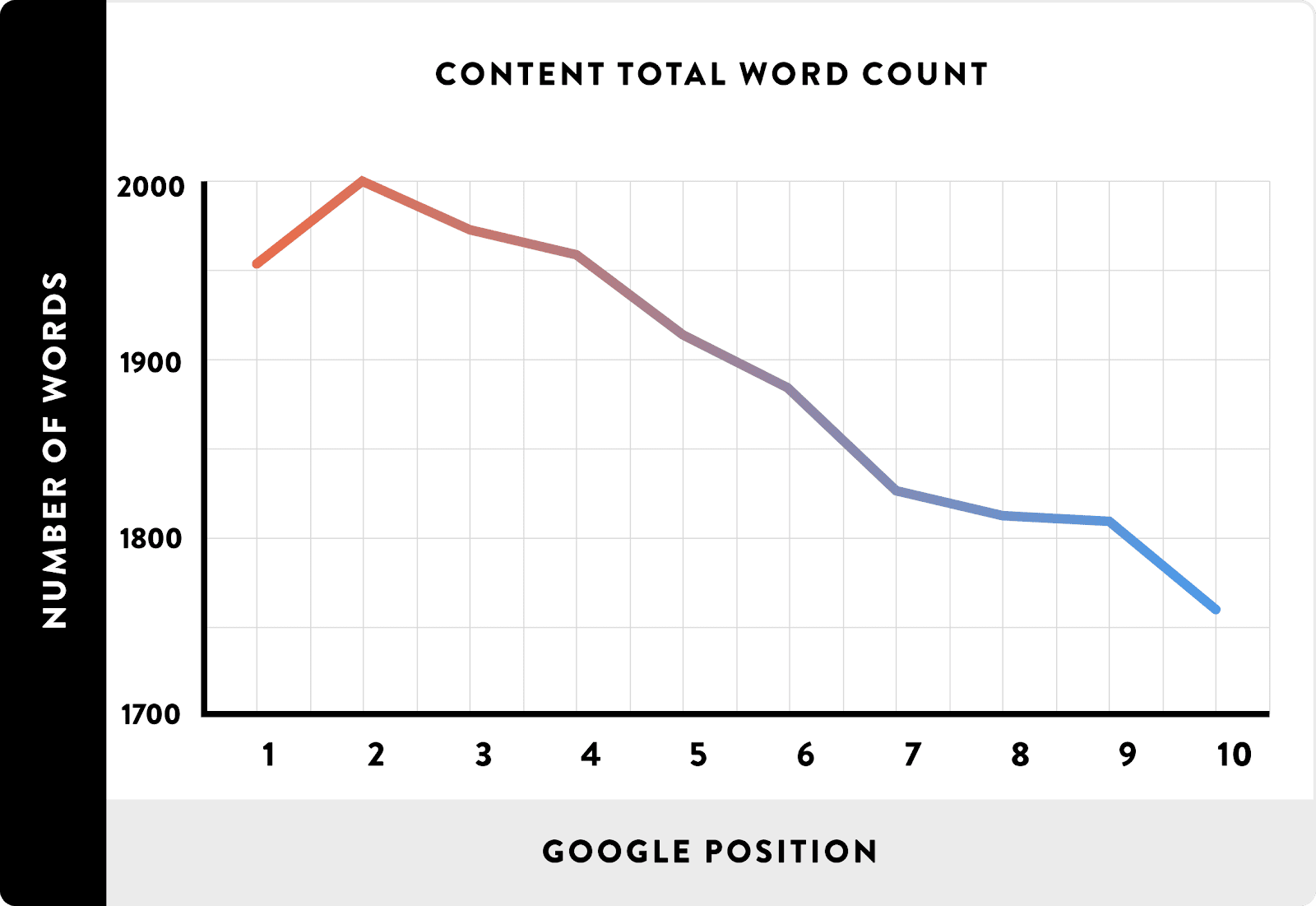
Studies show that higher word count helps you rank higher on search engines and get more organic readers.

02_Content-Total-Word-Count_line.png

That means that spending a few extra hours to take a 1,000-word post and make it a 2,000-word post is worth it.

If you can take your ranking from below the second page of the SERP to potentially rank first or second on Google, there’s no question about what you should do.

What else can you do for your marketing that gives you that kind of boost but only takes a few extra hours?

I haven’t come across many other strategies that are that impactful.

So spend a little extra time on your blog posts if you want more readers.

That’s all there is to it.

Hack #4: Forget about keywords

Keywords are a vital part of any content strategy, right?

Well, no. That’s not really the case.

You see, there’s a harsh truth about keyword ranking that most marketers tend to not talk about:

Some keywords are nearly impossible for you to rank for.

You’d have to build a massive brand with years of experience and tons of backlinks just to rank in the top 100 for the really competitive keywords.

You can probably forget the top page altogether.

So what can you do instead?

I recommend focusing on searcher intent.

This method of approaching your content will revolutionize your content strategy.

Instead of trying to rank, you’ll instead focus solely on fulfilling the needs of your audience.

Think of it in terms of the classic how-to post.

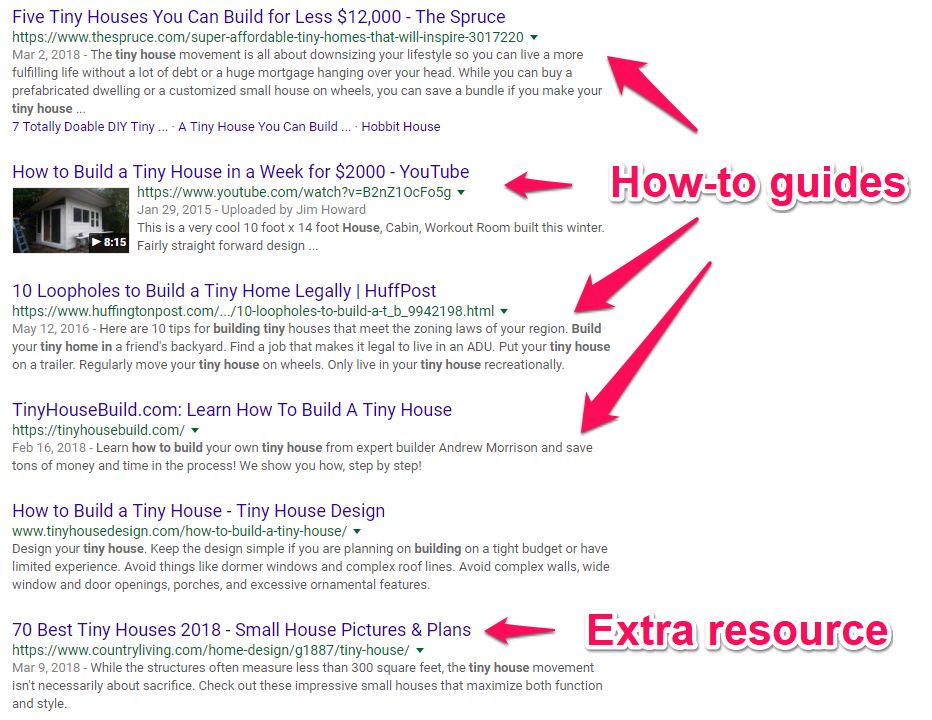
Let’s say that you want to learn how to build a tiny house, and so you Google it.

tiny-house.png

Most of these look like helpful how-to guides.

But are they?

In order to successfully implement a searcher intent strategy, you have to make sure your content fills the need.

When I clicked on the top link while looking for a how-to guide, I didn’t see any guidance on how to build a tiny house.

In my mind, this damages this brand’s reputation and discourages future reading.

If I wanted to try to rank for this search, I would create an all-inclusive guide that not only displays these homes but also teaches you how to create them yourself.

Do you see the big difference in the approach?

It’s an awesome hack that alleviates the tension and boredom of trying to rank for certain keywords.

And, it’s much more value-centric.

Your readers will thank you time and again for it.

Hack #5: Instead of buying a picture, weave a tapestry

Many have said that imitation is the highest form of flattery.

But does your blog’s audience agree with that statement?

If all you ever do is imitate other brands, why would anyone want to read what you have to say?

That’s what I mean by “buying a picture.”

If all you ever do is copy, paste, edit a little, and share, there’s nothing different about you.

That’s why brand storytelling through your blog is so important.

storytelling.png

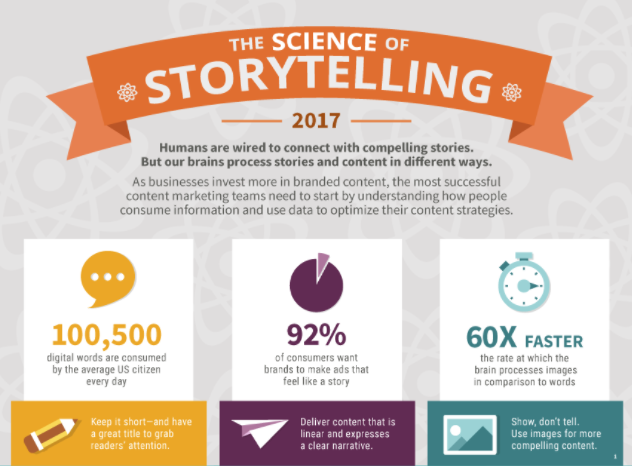
Humans love to connect with a unique story.

And 92% of your blog’s audience wants to see content that’s linear and provides a narrative.

So how do you build a story-driven brand?

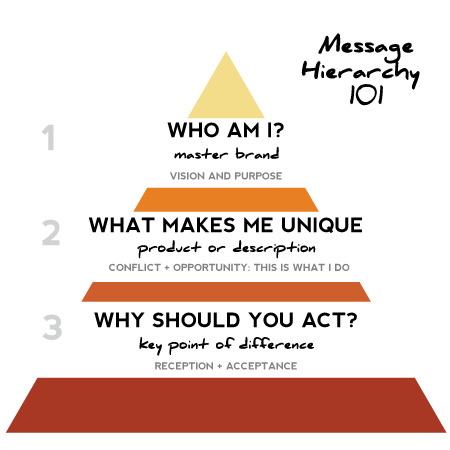
Start by knowing your why.

Messaging-Hierarchy.png

Your “why” is the key point of your brand, blog, and content that makes you different.

It’s what invites your audience to dig deeper into your brand and discover the intricate tapestry of your brand.

If you don’t have a why, you’re just creating empty content.

It has no purpose, so it won’t do anything.

Once you’ve established your why, build a regular voice that is instantly recognizable.

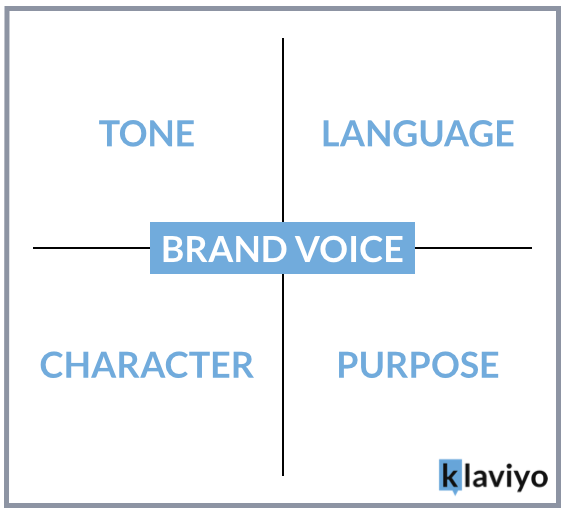
how-to-develop-a-brand-voice-1.png

This is your chance to show how what you do shines in comparison to your competition.

Your voice will build on the foundation of your why and help build trust in the content that you share on your blog.

It’s also what ultimately creates the bridge between your brand’s “why” and “what.”

And that will one day lead to conversions, sales, and growth.

But before you get there, you have to finish creating your story.

To do that, you need to make sure that you deliver on the big picture.

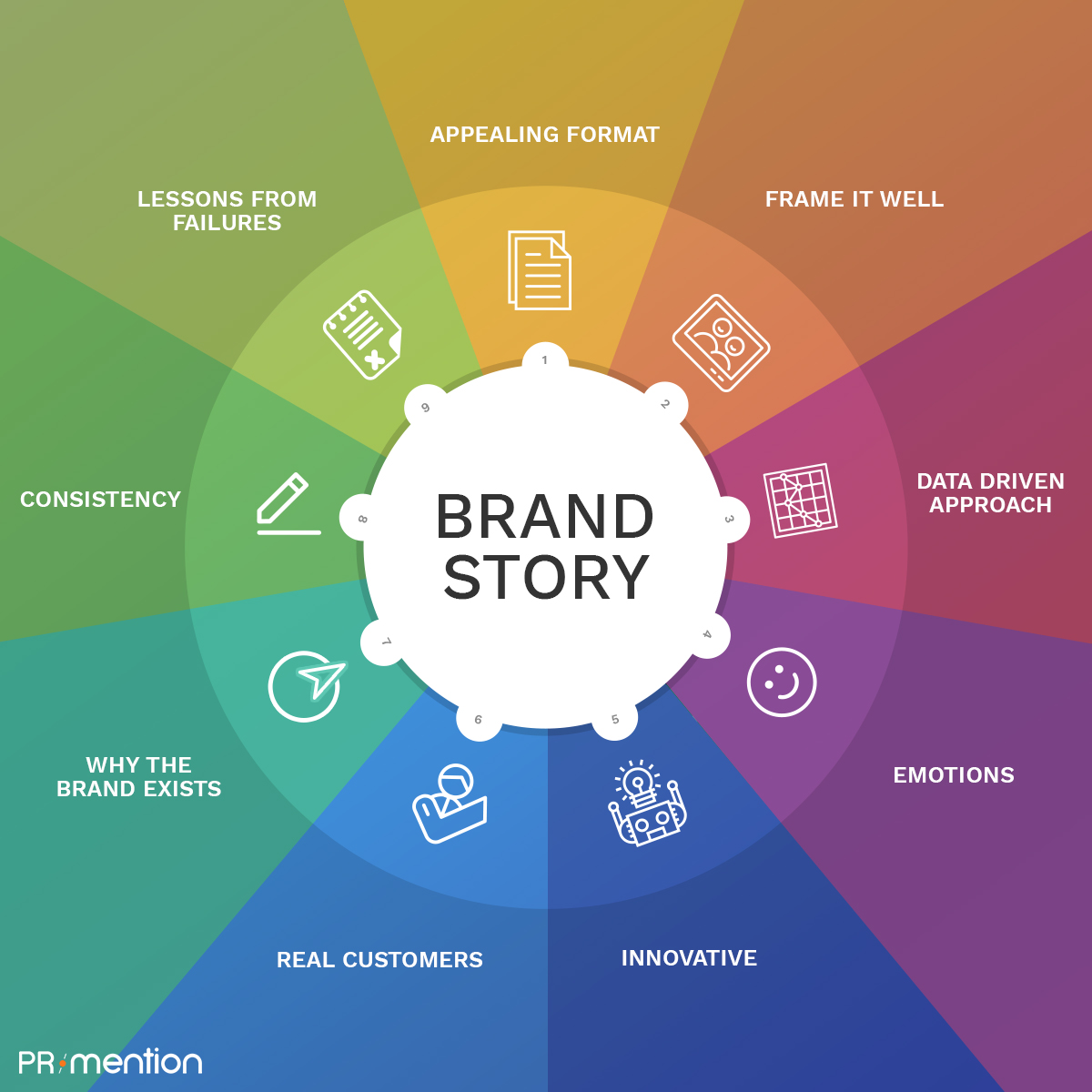
Brand-story.jpg

That means creating or adopting a methodology that lets you monitor your messaging and create consistency across the board.

It also requires you to consider every element of your storytelling, not just what you want to get out of it.

By using a step-by-step guide to create and deliver on your brand’s story, you’ll develop the storytelling brand that your audience wants to see.

That will lead to a clearer brand image and more readers for your blog in the long run.

Hack #6: Don’t just blog

Blogging isn’t all about words.

It’s a mixture of many formats that combine to create value for your reader.

That’s why I never just write a blog post.

I include images, data, video, and anything else I can find to help engage with you and keep your attention.

And this is backed by data, too.

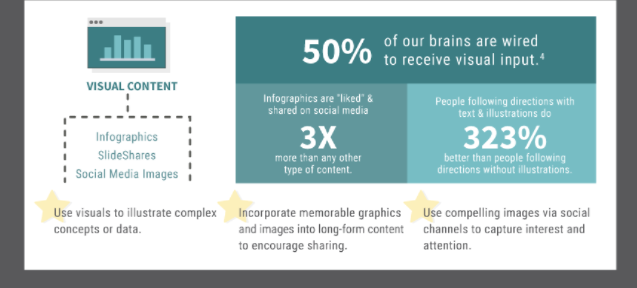
Consider the use of imagery in an overall marketing strategy.

storytelling-3.png

These statistics convey higher rates of engagement, sharing, and information retention for visual content than simple text alone.

To me, a reader who is 323% more equipped to follow my direction is a loyal reader in the future.

Wouldn’t you agree?

But there’s still another question to explore.

Why is it that images help build your readership?

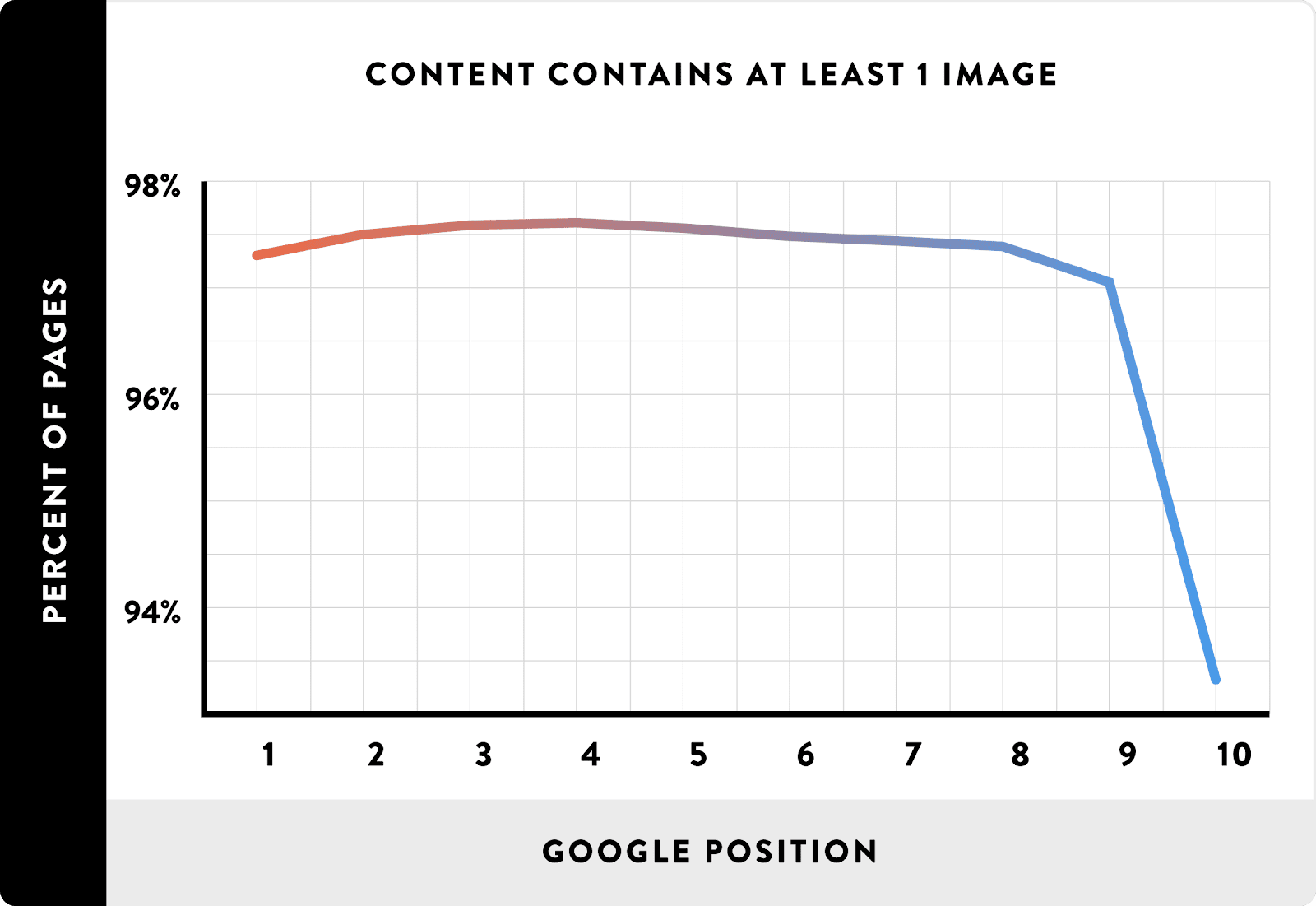
Well, according to Backlinko, blogs with imagery rank higher on search engine results.

03_Content-Contains-At-Least-1-Image_line.png

That means that images will not only help your reader engage with the post, but they’ll also help Google understand and rank your content appropriately.

With a higher rank for your topic, you’ll gain more readers through organic search over time.

That’s two birds with one stone.

And the benefits of non-copy blog content don’t stop there.

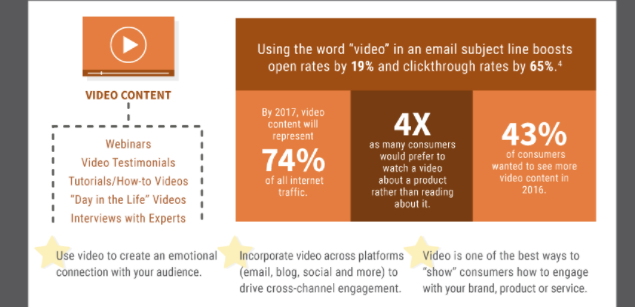
For example, users are four times more likely to consume video content than written copy.

storytelling-4.png

And with almost half of consumers wanting to consume more video in the future, there’s a compelling case for adding videos to your blog posts.

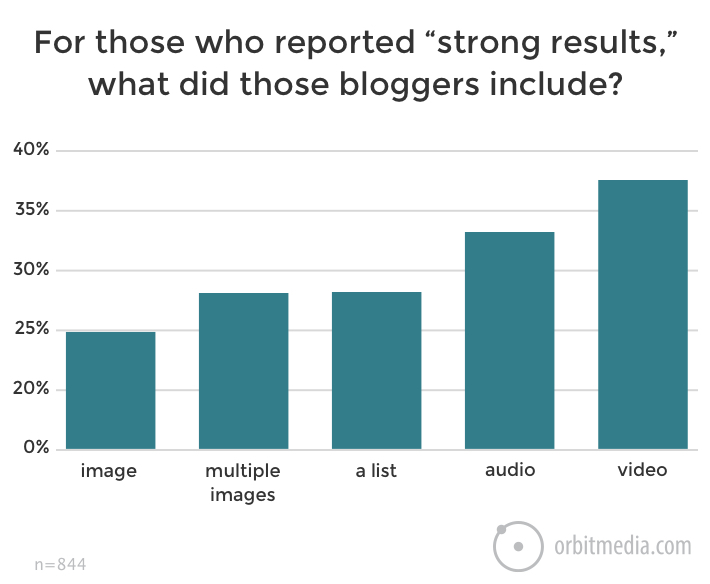
Consider also that most “strong result” blog posts include video.

includes.jpg

This is why I include a video in every single blog post I create.

It’s a way I can provide relevant information that fleshes out your understanding of the topic at hand.

When you watch the video above, you not only learn that adding video to your content is important, but you also learn how to create it.

Do you see how powerful this method can be for fleshing out the topics you discuss?

I love it, personally.

But images and video aren’t the only way you can vary your content.

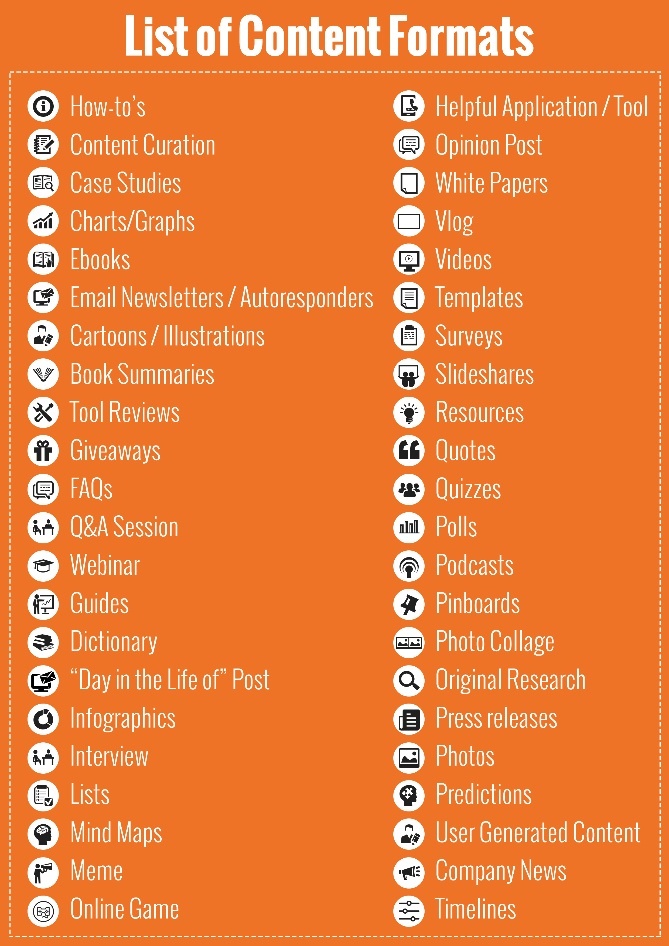
You can consider other formats that help you increase the uniqueness of your content.

types-of-content_1-1.jpg

The format you end up using is ultimately up to your creativity and effort.

Your audience will love your content, share it, and consume everything you create in the future.

Hack #7: Reach up, not just out 

There are times when tapping into your existing audience for growth channels simply isn’t enough.

It could be that you feel like you’ve been asking too much of your readers.

I totally understand this feeling.

But that doesn’t mean you shouldn’t keep creating content.

It means you need to find a new way to approach your audience and tap into a new frontier.

The perfect way to accomplish this is with influencer marketing.

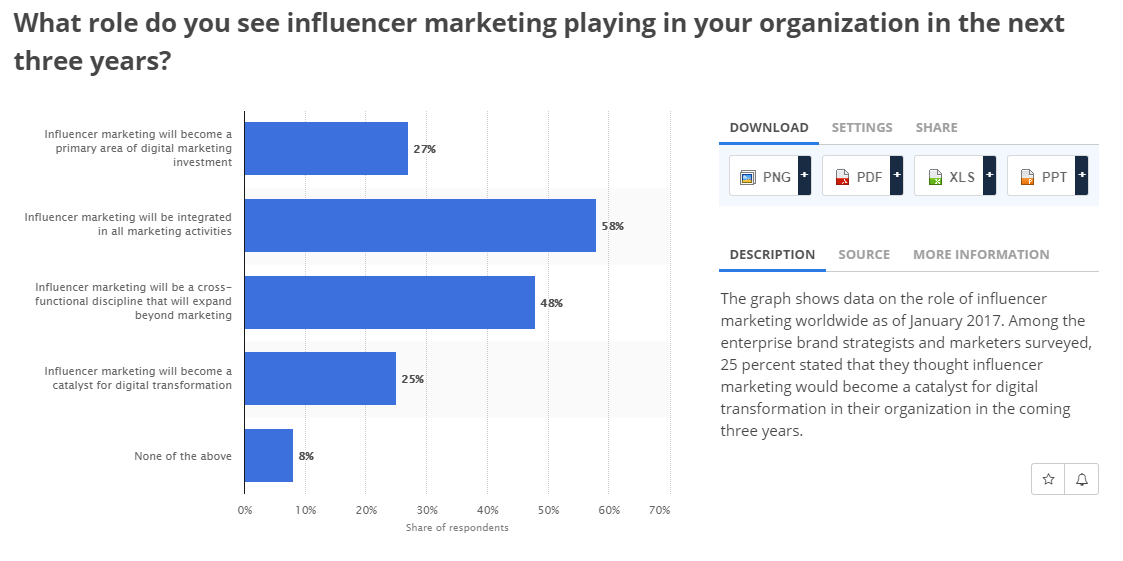
More marketers than ever are integrating influencer marketing with all of their initiatives, and it’s paying off.

influencer-marketing.png

Collaborating with influencers in your industry is a great way to network and grow your readership while creating fresh and exciting content.

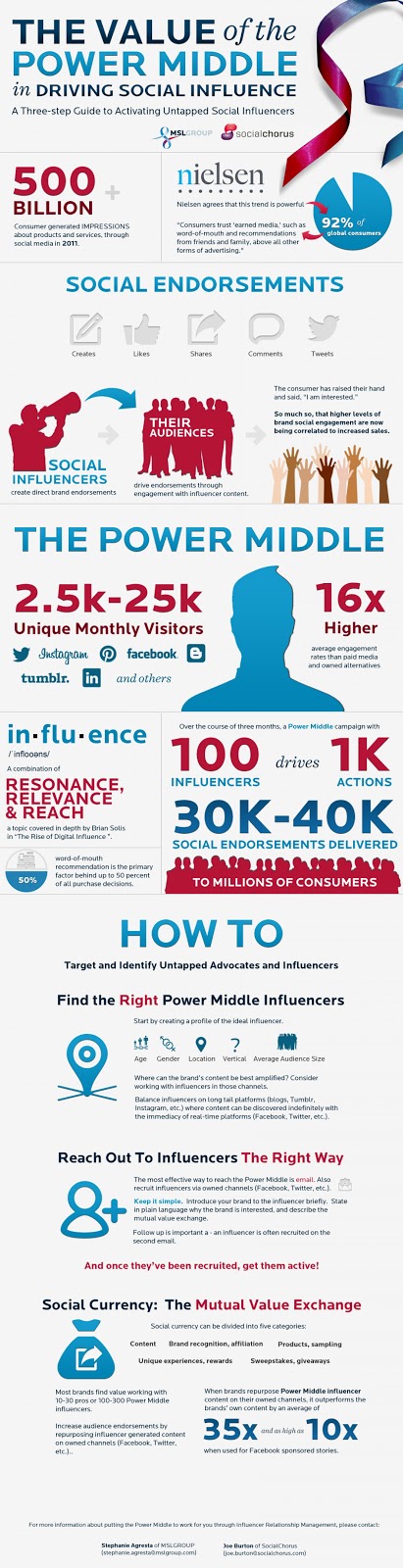
But even more importantly for your ultimate goals, the role of “the powerful middle” can be huge when trying to drive traffic and build readership.

powerful-middle.jpg

Some of these statistics are just mind-boggling.

You can have 16 times higher engagement with your influencer content than with paid media.

Influencer campaigns can help a piece of content outperforming your previous content by 35 times.

And when you calculate in that 100 influencers can drive 1,000 actions in just one month, it should leave no question in your mind about how powerful this tactic can be for your blog’s growth.

So, while influencer marketing might take a little more effort, money, and follow-through, the results are well worth it.

Leveraging other digital audiences to expand your own can be a huge source of growth for even the smallest brand.

Hack #8: Remember that your target audience doesn’t include everyone

It’s tempting to think that everyone can use your product or service.

But the reality is far from that.

Most consumers on the Internet don’t want or need your content, and that’s okay.

There’s still a niche group that does need your content, and that’s your target market.

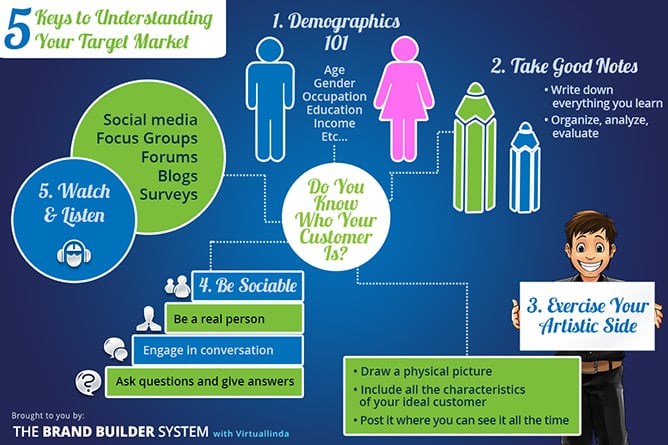
UnderstandTargetMarket-vl.jpg

If you don’t know the audience you’re trying to speak to, you won’t get your ideal readers to listen to you.

It really is as simple as that.

Take time to become an expert in your target market’s demographics.

Know them inside and out.

Then, create content that is both creative and speaks to them like a real person would.

Once you do this, stay in the conversation and gather feedback as much as possible.

You’ll then have all the tools you need to create better, customized content that will attract new readers to your blog.

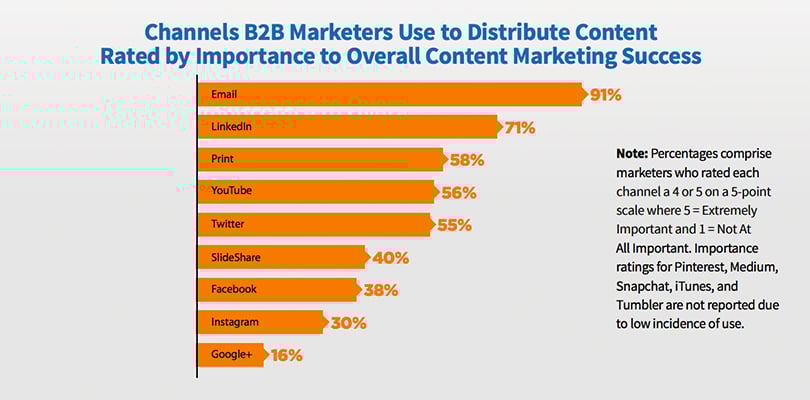
And don’t forget to research and use the right marketing channels to promote your content according to your audience.

marketing-channels.jpg

Knowing your audience is a basic principle that you can’t ignore.

You hopefully already have much of the data you need sitting around.

Now it’s time to use it for your benefit.

Hack #9: Encourage conversation

One of the biggest challenges most blogs face is creating conversation.

While it’s possible to share a post on social media and create a buzz, many conversations get lost in the process of sharing and distributing material across platforms.

That’s why I recommend bloggers turn on comments for the actual post.

This has a few great benefits.

First, it centralizes your conversation, which will help you not lose track of your bloggers’ questions in the chaos.

And second, it actually increases the word count on your post.

comments-4.png

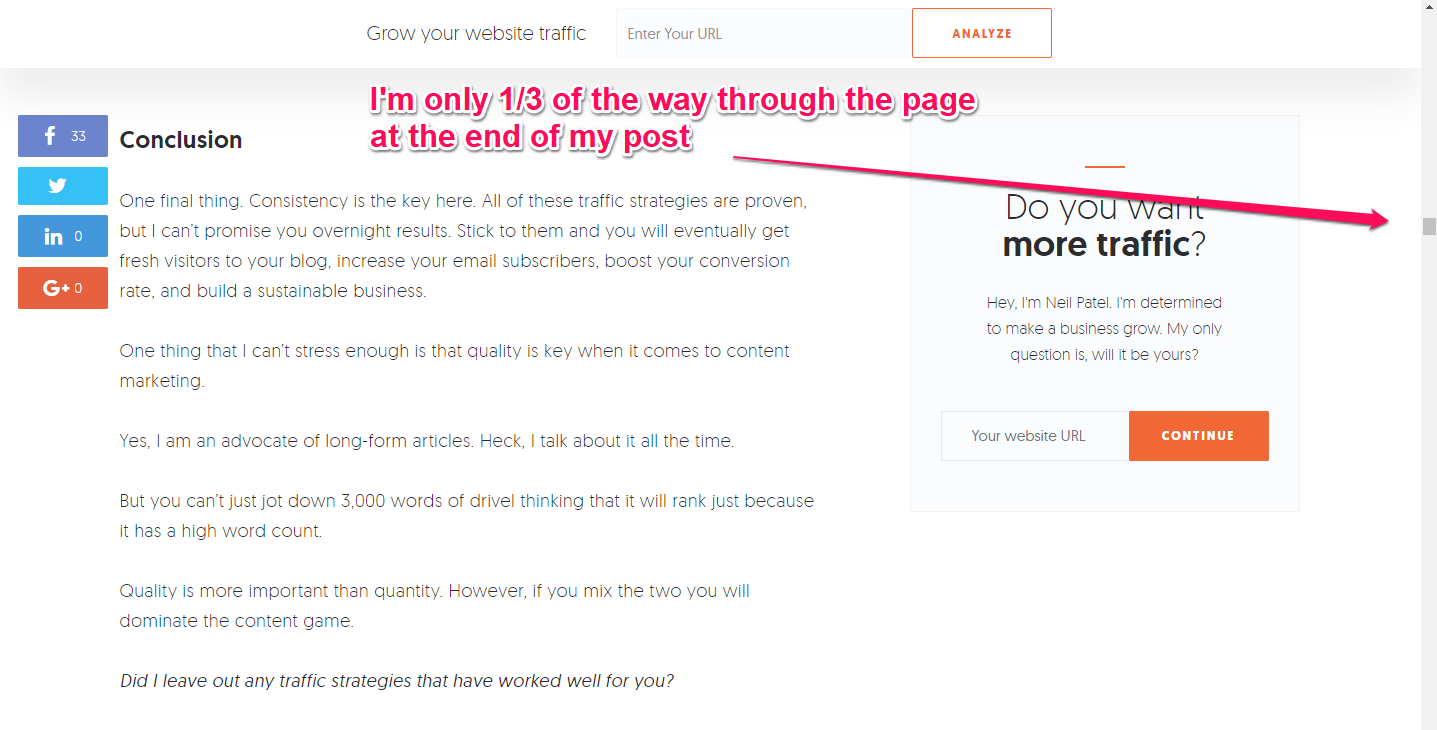
As you can see, I’m not even close to the bottom of the page for this post.

The rest is all comments.

On that post, there are now more than 20,000 words between the original post and comments.

That means Google is going to pay attention to it for sure.

And the benefits don’t just stop with SEO.

These comments also provide social proof, build your network, and encourage discussion amongst your audience.

It’s a great way for you to establish yourself as a thought leader and cement your brand as an expert.

I always recommend directly asking for comments in your post like I do in my blog posts:

comments-2.png

In my conclusions, I ask a very specific and open-ended question that my reader can choose to respond to.

And many readers respond:

comments-3.png

By simply asking, several readers engaged with me and gave me more resources.

What’s more, my other readers could see this comment and check these tools out too.

If I had turned my comments off, I wouldn’t be adding this extra touch of value to my audience.

And you never know when one extra touch will make a big difference.

Conclusion

Blogging takes time, but it’s one of the most profitable things you can be doing right now.

By changing your writing style for the web, you’ll be meeting the expectations of your audience to an even greater degree.

Offering solutions strategically will encourage your reader to do more than just skim.

Spending a few more hours on creating your content will directly impact SEO, time on page, and many other important elements for your brand.

Anticipate needs, not keywords.

Don’t just imitate others. Weave a story worth telling.

Vary your content with images, video, and other formats to help engage new readers.

Leverage the power of influencer marketing to find new audiences for your brand and experience explosive growth.

Remember that everything rises and falls on your target audience.

And lastly, find ways to keep the conversation going on your blog.

Whatever tactics you choose, any of these hacks will have you on your way to a larger readership and growth for your brand.

What hacks have you used to find new readers that I didn’t mention?

The post Hack Your Way to 62,980 Blog Readers with These 9 Tips appeared first on Neil Patel.


Read more: neilpatel.com

https://bluetoothproximitymarketing.info/hack-your-way-to-62980-blog-readers-with-these-9-tips/