Showing posts with label health. Show all posts

Wednesday, December 25, 2019

What it means to have ‘undetectable’ HIV—and why you need to know

QQ6PG4MSHREJHKSN5XOHHO777E.jpgAntiretroviral drugs allow people with HIV to live completely normal lives. They also prevent them from transmitting the virus to others once they reach an undetectable viral load.

It’s been almost 40 years since the start of the AIDS epidemic, when hundreds of people began contracting deadly infections that doctors had no idea how to combat. It took until 1983 for researchers to identify the virus that was causing their symptoms: human immunodeficiency virus, or HIV. After years of medical testing, protests, and millions of deaths the world still hasn’t emerged from the epidemic. But it’s getting closer: Since their peak in 2004, AIDS-related deaths have shrunk by over half, and new HIV infections have reduced by 40 percent since 1997.

Safe sex practices and pre-exposure prophylaxis (PrEP) medications have prevented many further infections, and the evolution of antiretroviral (ART) treatments have stalled the virus from replicating in people who already have it. Beyond allowing people with HIV to live completely normal lives, these drugs also prevent them from transmitting the virus to others once they reach an undetectable viral load. But in many communities, people living with undetectable HIV statuses still face stigma that marginalizes them as “dirty” and unsafe to have sex with. Here’s how the science disproves that.

To understand why someone who is HIV positive but whose infection is undetectable can’t transmit HIV to a sexual partner, it’s vital to understand both how the virus itself infects the body and how medications work to combat it. Left unchecked, the HIV virus hijacks CD4 immune cells, a type of white blood cell responsible for fighting off infections, to make more copies of itself. As their viral load (number of virus copies per milliliter of blood) skyrockets, an afflicted person’s number of CD4 cells plummets, leaving them vulnerable to opportunistic infections. Once the CD4 count dips below 200, HIV has caused AIDS.

The first antiretroviral drug used to treat HIV was called AZT. Originally developed in the 1960s as a cancer treatment, AZT interfered with DNA replication in a person’s HIV-infected, CD4 immune cells to prevent the virus from taking over their immune system. But it was also incredibly toxic, causing anemia, nausea, insomnia, and weakened immune systems in many patients. Over the past few decades, researchers have developed antiretrovirals that are far more effective and less damaging, says Christopher Hall, vice president of medical affairs for the San Francisco AIDS Foundation.

“The evolution has been to a pill that is extremely well-tolerated, taken only once a day,” Hall says. “That’s just an incredible development.”

ART medication gives the cells a hand in combating HIV, which prevents it from replicating. A patient’s viral load then begins to decline while their CD4 count returns to normal. Originally, scientists thought that no matter how low their viral load was or how healthy they were, someone living with HIV could still give the virus to a sexual partner. But by 2000, studies began showing that below a certain threshold, that risk was incredibly rare.

While each person diagnosed with HIV has their own treatment timeline, almost all providers will have their patients begin taking ART medication as soon as they’re diagnosed. Hall says that’s a shift from how things used to be: Doctors would wait to determine whether their patients were ready and able to take the drugs (the original meds needed to be taken up to four times a day and caused a slew of side effects).

Because modern-day ART medications have so few drawbacks, a patient can start treatment right after their diagnosis and immediately see their viral load drop. Hall says that’s also important for combating the stigma that HIV is a death sentence, because at this point, it isn’t.

“We want to say, ‘Hey, you can get on top of this right away. This is going to be easy for you to manage, relatively speaking. We’re going to help you,’” Hall says.

Depending on the patient’s condition, they’ll return to the doctor after about a month to discuss how they’re tolerating the medication. The provider will run tests on their kidney and liver function and check for anemia. They’ll also run a viral load test, which scans for any genetic material associated with HIV in the bloodstream to determine the number of virus copies per milliliter of blood. Once the medication has done its work and that number reaches 200 copies per milliliter (usually after about 6 months), a person is considered undetectable.

But why do doctors say “undetectable” if the virus can still be detected by the test? Hall says that’s a function of how specific viral load tests have become over the years. When a test that can only measure as low as 200 copies per milliliter arrives at that result, it’s likely that the patient could have an even lower viral load than that. But because the test can’t measure anything lower than 200, they’re deemed undetectable.

Viral load tests get more specific by the day: Hall says some are still in the works that can get as precise as 1 to 5 copies per milliliter range. The tests he uses in his clinic can see down to 20 copies per milliliter, but he says that doesn’t mean his undetectable patients are more undetectable than those who’ve used the 200 copies per milliliter test.

“There’s some nuances to it,” Hall says.

Two hundred is still the golden number for people living with HIV, because that’s the most specific test that was used in the studies that proved an undetectable person can’t transmit the virus. Hall says below that point, an HIV-negative person with a healthy immune system can easily fight off a couple hundred viruses as opposed to the millions contained in a milliliter of blood from a newly diagnosed person. Our skin and mucous membranes do an excellent job protecting us from invaders, even HIV.

“HIV is inefficient enough that, when present in low numbers, infection can be avoided,” Hall says.

Dave Watt, outreach manager for the Southwest Center for HIV/AIDS, fields all kinds of conspiracy-like questions from folks who are uninformed about HIV, down to whether or not mosquitoes can transmit the virus (they can’t, he says, otherwise everybody would have HIV by now). Over a decade ago, he founded the Friendly campaign, which aims to counteract the fear-based messaging that often surrounds the virus. Even after the CDC formally endorsed the “U=U” campaign (which asserts that undetectable HIV is untransmittable) in 2017, Watt says it can be tough to help people understand that medical truth.

“While science can’t say it’s impossible, that’s just not how science works,” Watt says. “We used to say ‘low risk’ or ‘minimal risk.’ And now the studies have shown that there really is no risk.”

In 2016, the groundbreaking PARTNER study, a large, international research initiative that studied 900 serodiscordant couples (i.e. one partner had an undetectable viral load and the other tested negative for HIV), found that even after multiple years of condomless sex, not one person transmitted the virus to their partner. A number of clinical studies have since verified this, and scientists say the risk of an undetectable person transmitting the virus to their HIV-negative partner is effectively zero.

ART can’t cure HIV—with today’s treatment options, an undetectable person will always test “positive” for the virus. And during the antiretroviral onslaught, the virus will retreat into “sanctuary” areas like the rectum or cervix, allowing it to begin replicating again if the person stops taking the drugs. The ART drugs can’t access those “sanctuary” areas very well, so they can’t eliminate every last virus left. But, when taken diligently, the meds keep HIV so well at bay that, effectively, they may have the potential to end the epidemic without scientists finding a definitive cure.

The concept of treatment as prevention (TasP) emphasizes the importance of immediately treating anyone diagnosed with HIV in order to get them to undetectable status as quickly as possible. Once they become undetectable and continue taking the medications, they’ll be unable to transmit the virus any further. If everyone living with HIV gains access to these lifesaving drugs, they can stop the disease in its tracks. But even when communities do have the resources, fear can stop them from seeking treatment.

Hall says when people fear the consequences of getting HIV and don’t realize that it’s no longer a death sentence, they’re less likely to get tested in the first place. This delay makes their conditions more difficult to treat because the virus has had a longer amount of time to take hold on their immune systems. But telling people that, at the end of the treatment, their risk of infecting others is essentially nonexistent can be a powerful tool in lifting that stigma.

Governments also have to catch up with the science. In the U.S., 29 states have laws that criminalize people living with HIV, whether it’s not disclosing their status to a sexual partner or being punished for physically transmitting the virus to their partners. Nine states have measures that enhance prison sentences for sex crimes when a person living with HIV is involved. In some cases, these sentences may be harsher than ones for murder.

Research shows that these laws don’t actually reduce virus transmission rates, and they can even discourage people from getting tested for HIV. States implemented most HIV laws during the height of the AIDS crisis, when a diagnosis was still a death sentence. But even with the proven advancements in treatment, the outdated legislation still haunts courts today. In 2015, Missouri resident Michael Johnson was sentenced to 30 years in prison for not disclosing his HIV-positive status to his sexual partners. He was just released from jail this summer after an appeals process.

“Stigma continues to be the greatest challenge in ending the epidemic,” Hall says.


Read more: popsci.com

https://infoforu.org/what-it-means-to-have-undetectable-hiv-and-why-you-need-to-know/

Tuesday, April 16, 2019

Instagram To Ban Anti-Vaxx Hashtags

vaccines124-262x175.jpgvaccines124.jpgPexels

Instagram will block a slew of anti-vaccine hashtags as part of an ongoing crackdown on medical misinformation spread by anti-vaxxers on the platform.

The Facebook-owned social media picture-sharing platform shared its plans on Thursday 21 March as anti-vaccine misinformation continues to spread online.

The platforms have been breeding grounds for the anti-vaccination community, some of whom promote falsehoods linking vaccinations to autism. It’s a claim scientists and experts categorically disproved.

The social media giants have been found to promote anti-vaccination material on their platforms.

However, an Instagram spokesperson said in a statement:

As part of our work to address health-related misinformation on Instagram, we’re looking at ways to minimize recommendations of this content and accounts that post it across Instagram – including in ‘Suggested For You’, Explore and hashtags.

We noted that this process would take place over several weeks. But as we take action in the short-term we know that fighting misinformation is a long-term commitment.

They said the platform’s planned short-term measures will include blocking hashtags associated with ‘known health-related misinformation including #vaccinescauseautism, #vaccinesarepoison, and #vaccinescauseids’.

So, when you’re scrolling through the ‘Gram and come across an anti-vaxx hashtag, you will be able to click on it but you’ll simply be presented with a page without any results. Hashtags also will not show up in searches, reports The Hill.

In other words, unless you’ve got loads of mates or family who are against protecting themselves from potentially fatal diseases through safe medical methods, you’ll probably never come across this crap again.

The World Health Organization states it is one of the 10 greatest threats to global health, adding ‘complacency, inconvenience in accessing vaccines, and lack of confidence’ underlie the apparent ignorance which creates vaccine hesitancy.

That’s certainly the case for some social groups. For other entrenched anti-vaxxers, it’s a bunch of memes perpetrating an arsenal of falsehoods.

The main ideology of the anti-vaccination movement of yore, Doctor of Public Health and epidemiologist, Dr RenĂ© Nejera told UNILAD, focused on people’s freedom ‘to do with their bodies as they pleased’ including accepting or refusing government mandated vaccination.

It’s still a part of modern arguments, despite global legal precedents being set around the world which clearly state no one is free to put others in danger by refusing to be vaccinated.

If you have a story you want to tell, share it with UNILAD via stories@unilad.co.uk.


Read more: unilad.co.uk

https://infoforu.org/instagram-to-ban-anti-vaxx-hashtags/

Thursday, September 6, 2018

Guy Finally Gets 30-Year-Old Cyst Popped And It Explodes

Warning: This not for the faint of heart cyst-pop-thumb.jpgViralHog

Imagine having a 30-year-old itch which you just couldn’t scratch until now. Now replace ‘itch’ with ‘cyst’ and scratch with ‘popped’.

That’s exactly what you get in this video, below, of a man who finally gets to pop a 30-year-old cyst which has been festering on his back.

I’m not going to lie, this is pretty gross. I couldn’t even make it halfway through the video without wanting to do a little vomit in my mouth. When the cyst finally pops it comes streaming out like it was ketchup out of the bottle, proper eye-watering stuff. If you’re eating anything please put it aside before clicking play on the video, just a bit of friendly advice for you.

Brace yourself, this won’t be pretty:

Damn, that was nasty as hell. Did you see all the puss seeping out? It’s enough to make me quit the Internet for good. Apparently, the owner of the pus-filled cyst has been carrying it around for 30 years. Which is way too long to be walking around with something like that, in my humble opinion.

My only question, other than ‘Why have you been carrying that cyst for so long?’, is ‘Why now?’. What has changed in those 30 years where you’ve thought ‘Hmmm, you know what? I don’t what this cyst anymore, let’s pop it. We’ll film and put it on the Internet too’.

Don Pederson, who’s from Kelowna, BC, Canada, says he convinced his friend (who has not been named) to pop his 30-year-old cyst and even offered the services of his daughter to perform the procedure which took place on March 2016.

Cyst-Pop-1.pngViralHog

Pederson stated:

A good friend of mine had a cyst on his back for 30 years. My daughter took the liberty to lance and drain this disgusting critter.

Shoutout to Pederson for his sterling ‘father of the year’ moment .

Cyst-Pop-2.pngViralHog

Our editorial loves a good old cyst-popping, especially if said cyst has been around for a long time. If you search the word ‘cyst’ in our search bar you’ll find a whole archives content worth of it. It’s a literal goldmine, puss-filled gold that is.

Just yesterday we wrote about a man who had his 25-year-old cyst cut out. The cyst, which had been growing on the back of Bristol man, Dave Andrews, was popped and captured in what can only be described as repulsive footage.

The video, which was taken on June 24 at Dave’s home, shows his daughter Kerry, tackling the cyst with some kind of scalpel.

Enjoy the viewing content you sick people

Personally, I wouldn’t advise doing a DIY procedure on a cyst, it doesn’t appear to be the best, or most hygienic way, to get rid of a pus-filled lump.

Once the cyst is empty, *is sick in mouth*, Kerry jokes to her father: ‘You’ll need a tummy-tuck now… you’ve got loose skin.’

The popping of the monster spot had to be done at home, says Andrews, due to a change in NHS policy.

giphy-downsized-3.gifParamount Pictures/Lucas

Honestly the fact you’ve gotten this far down the article means two things, you skipped past tall of the puss-related content or you’ve watched both videos and you want to watch more. If it’s the latter, you might have some issues.

I’m logging off the Internet for the rest of the day.

If you have a story you’d like to share, please email us at stories@unilad.co.uk.


Read more: unilad.co.uk

https://infoforu.org/guy-finally-gets-30-year-old-cyst-popped-and-it-explodes/

Saturday, August 25, 2018

LET’S PLAY: What netball position were you born to play? Take this quiz to find out.

Which bib do you endure and off the court?

Read more: mamamia.com.au

https://infoforu.org/lets-play-what-netball-position-were-you-born-to-play-take-this-quiz-to-find-out/

Woman Shares Sexual Assault Story Behind Weight Loss Transformation

FELICIA-WEB-262x175.jpgFELICIA-BEFORE-2.pngUNILAD

A woman has gone viral after sharing the emotional story behind her weight loss journey.

22-year-old Felicia Keathley, from California, has lost an astonishing nine stone and five pounds over the past 14 months.

Starting her journey in May last year, at the time Felicia weighed 21 stone and five pounds. She now weighs an amazing 12 stone and admits she is ‘happier’ than she has ever been.

FELICIA-BEFORE-3.pngUNILAD

Felicia was inspired by her therapist to make significant changes to her eating habits realising it was tied to her mental health.

In high school Felicia was sexually assaulted, a secret she kept to herself for years.

Speaking exclusively to UNILAD, Felicia explained she dealt with the stress and distress it caused her by comfort eating which negatively impacted her health and mental health.

FELICIA-BEFORE-4.pngUNILAD

Felicia said:

I was tired of being overweight and tired of being miserable. In high school I had been sexually assaulted and I kept it inside for years as I ate and ate and let the weight pile on.

My therapist and I came to the conclusion that my assault and keeping it a secret had caused me to use food as my comfort. I was pushing it down deeper and deeper, masking it with the comfort of food. I was done having that part of my life control me.

Throughout the start of my weight loss journey it was something that I always struggled with, because in the past it had been the cause of my binge eating.

I constantly reminded myself this does not control you anymore and don’t let this control your life and happiness.

I overcame my weight but in the end I overcame so much mentally.

Losing weight helped Felicia address the sexual assault. Now she is ‘much happier, outgoing, active and excited about life’.

Her transformation is incredible:

FELICIA-AFTER-1.pngUNILAD FELICIA-AFTER-2.pngUNILAD

Joining Weight Watchers ‘expecting it to fail like all the times before’, Felicia was surprised to find herself enjoying the food her diet allowed.

She went from eating fast food five or six days a week to having it maybe once a month and rather than drink five sodas a day, Felicia now enjoys a ton of water each day.

Learning about moderation, Felicia realised she could still eat the food she liked but in smaller portions knowing also ‘one cookie won’t derail you’.

Felicia also started working out initially going out for walks with her son in his stroller before joining a gym.

Confessing working out at the gym was ‘the hardest part’ of her journey, Felicia admitted it was worth the struggle as now not only does she enjoy exercise, but she is also more active for her two-year-old son Weston.

She added:

I wanted to be healthy and happy for him. My son was one at the time and I knew at the rate I was going I probably wouldn’t live a full life.

I didn’t want to be the mum on the sidelines watching her son’s life go by. I wanted to be involved. I wanted him to grow up having not just healthy mom but a happy one.

Now we go to the park and play, we run around outside, go to the zoo. I’m more open to doing things and experiencing life with him.

FELICIA-AFTER-3.pngUNILAD

Proud of her transformation, Felicia shared before and after photos on Twitter, writing:

After 14 months of hard work, I am officially down -131 lbs total. I never EVER thought I would get here. I have never been this happy in my life. Take care of your body and believe in yourself. It IS possible.

People rushed to congratulate Felicia on her weight loss with the tweet receiving over 87,000 likes and 16,000 retweets at time of writing (August 3).

FELICIA-TWEET.pngUNILAD

With plenty of people asking Felicia for advice online, she gave UNILAD her top tips.

She concluded:

NEVER GIVE UP. There are times where you will feel like you blew it and I promise you haven’t. Getting up and getting back on track is the most important thing you can do!

Don’t derive yourself from things you love! Make it a lifestyle change and enjoy your journey. It doesn’t have to be miserable! If I could do it, ANYONE can.

Inspiring words, Felicia!

Congratulations on your weight loss and your revived outlook on life.

If you have been affected by any of the issues in this article and wish to speak to someone in confidence contact the Rape Crisis England and Wales helpline on 0808 802 9999 (12-2:30 and 7-9:30). They also offer a victim support line on 0808 168 9111

If you have a story you want to tell send it to UNILAD via stories@unilad.co.uk. To license this article contact licensing@unilad.co.uk


Read more: unilad.co.uk

https://infoforu.org/woman-shares-sexual-assault-story-behind-weight-loss-transformation/

Friday, July 20, 2018

Weekly Health Quiz: Ginger, Fitness and Energy

1 Which of the following has been shown to ease menstrual pain as effectively as ibuprofen?

Apple cider vinegar Garlic Ginger

One of the most well-recognized health benefits of ginger is the easing of pain; research shows it can ease menstrual pain as effectively as ibuprofen. Learn more.

Bergamot oil

2 Which of the following statements is false?

Recent research found people, who had gotten seasonal flu shots and contracted influenza shed infectious viruses through exhaled breath; those vaccinated two seasons in a row had a greater viral load of influenza A virus Research shows flu vaccinations may promote lung inflammation Studies show annual vaccination leads to reduced protection against influenza Recent research found people who had gotten seasonal flu shots and contracted influenza did not shed infectious influenza viruses, while unvaccinated people did

Recent research found infectious influenza viruses in the exhaled breath of people who had gotten seasonal flu shots and contracted influenza, suggesting vaccination promotes greater shedding of influenza A viruses and may promote lung inflammation. Those vaccinated two seasons in a row shed a greater viral load. Other studies show annual vaccination lowers protection against influenza infection. Learn more.

3 Which of the following was the first national grocery chain to set a deadline for full GMO transparency?

Whole Foods Market

In 2013, Whole Foods became the first national grocery chain to set a deadline for the implementation of GMO labeling. The labeling policy was scheduled to take effect September 1, 2018, but May 18, the company announced the requirement is being pushed back, although no new deadline has been set. Learn more.

Publix Trader Joe's Aldi

4 Which of the following requires the most energy out of all your internal organs, and is therefore more susceptible to age-related diseases?

Heart Lungs Eyes Brain

Your brain, which consumes up to 20 percent of the energy used by your entire body, is particularly susceptible to impaired energy production due to faulty mitochondria, and researchers now suggest this is what makes the human brain susceptible to age-related diseases in the first place. Learn more.

5 Which of the following has turned into the latest fitness craze in the U.S.?

Frog Ping-Pong Horseback archery Goat yoga

Goat yoga, which got its start in 2016, has taken the U.S. by storm, with classes popping up around the country. Goats are said to bring an unexpected level of fun and laughter to traditional yoga sessions. Learn more.

Swimming with dogs

6 Every day, 115 Americans, on average, die from overdoses of this type of prescription drug:

Antidepressants Opioids

According to the U.S. Centers for Disease Control and Prevention (CDC), 115 Americans, on average, die of an opioid overdose every day. Learn more.

High blood pressure medications Statins

7 Which of the following health treatments are you recommended to maintain on a regular basis throughout life, just as you maintain regular visits to your dentist and dental hygienist?

Homeopathic treatment Acupuncture treatment Massage therapy Chiropractic treatment

Structure dictates function. If your spine is misaligned, your nervous system will be adversely impacted. Getting regular chiropractic adjustments is important for the maintenance of your spine and overall health and physical function. Learn more.


aggbug.aspx?PostID=920326

Read more: articles.mercola.com

https://infoforu.org/weekly-health-quiz-ginger-fitness-and-energy/

Saturday, July 7, 2018

Facebook prototypes tool to show how many minutes you spend on it

Are you ready for some scary numbers? After months of Mark Zuckerberg talking about how “Protecting our community is more important than maximizing our profits,” Facebook is preparing to turn that commitment into a Time Well Spent product.

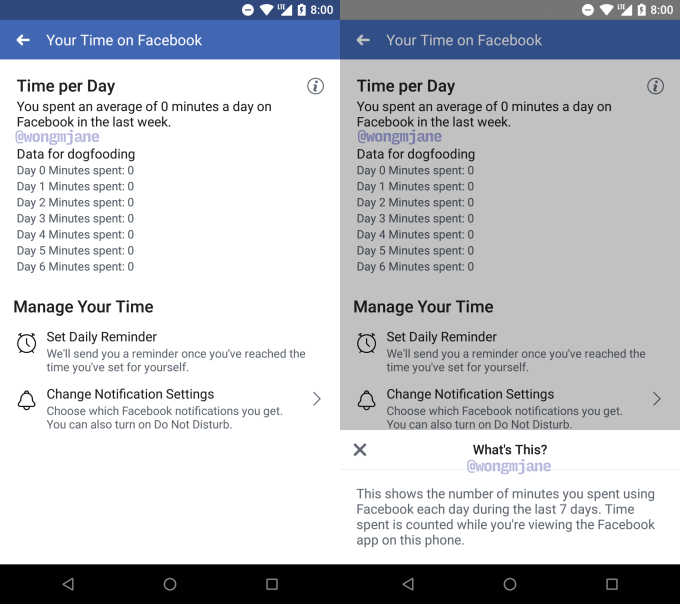
Buried in Facebook’s Android app is an unreleased “Your Time on Facebook” feature. It shows the tally of how much time you spent on the Facebook app on your phone on each of the last seven days, and your average time spent per day. It lets you set a daily reminder that alerts you when you’ve reached your self-imposed limit, plus a shortcut to change your Facebook notification settings.

Facebook confirmed the feature development to TechCrunch, with a spokesperson telling us, “We’re always working on new ways to help make sure people’s time on Facebook is time well spent.”

You-Time-On-Facebook-digital-wellbeing-screen-time.png?w=680

The feature could help Facebook users stay mindful of how long they’re staring at the social network. This self-policing could be important since both iOS and Android are launching their own screen time monitoring dashboards that reveal which apps are dominating your attention and can alert you or lock you out of apps when you hit your time limit. When Apple demoed the feature at WWDC, it used Facebook as an example of an app you might use too much.

Images of Facebook’s digital wellbeing tool come courtesy of our favorite tipster and app investigator Jane Manchun Wong. She previously helped TechCrunch scoop the development of features like Facebook Avatars, Twitter encrypted DMs and Instagram Usage Insights — a Time Well Spent feature that looks very similar to this one on Facebook.

Our report on Instagram Usage Insights led the sub-company’s CEO Kevin Systrom to confirm the upcoming feature, saying “It’s true . . . We’re building tools that will help the IG community know more about the time they spend on Instagram – any time should be positive and intentional . . . Understanding how time online impacts people is important, and it’s the responsibility of all companies to be honest about this. We want to be part of the solution. I take that responsibility seriously.”

First look at Instagram’s self-policing Time Well Spent tool

Facebook has already made changes to its News Feed algorithm designed to reduce the presence of low-quality but eye-catching viral videos. That led to Facebook’s first-ever usage decline in North America in Q4 2017, with a loss of 700,000 daily active users in the region. Zuckerberg said on an earnings call that this change “reduced time spent on Facebook by roughly 50 million hours every day.”

Zuckerberg has been adamant that all time spent on Facebook isn’t bad. Instead, as we argued in our piece “The difference between good and bad Facebooking,” its asocial, zombie-like passive browsing and video watching that’s harmful to people’s wellbeing, while active sharing, commenting and chatting can make users feel more connected and supported.

But that distinction isn’t visible in this prototype of the “Your Time on Facebook” tool, which appears to treat all time spent the same. If Facebook was able to measure our active versus passive time on its app and impress the health difference, it could start to encourage us to either put down the app or use it to communicate directly with friends when we find ourselves mindlessly scrolling the feed or enviously viewing people’s photos.

The difference between good and bad Facebooking

Techcrunch?d=2mJPEYqXBVI Techcrunch?d=7Q72WNTAKBA Techcrunch?d=yIl2AUoC8zA Techcrunch?i=QS_B9MJfHvA:PqzR_yLsujQ:-BTjWOF_DHI Techcrunch?i=QS_B9MJfHvA:PqzR_yLsujQ:D7DqB2pKExk Techcrunch?d=qj6IDK7rITs QS_B9MJfHvA


Read more: feedproxy.google.com

https://infoforu.org/facebook-prototypes-tool-to-show-how-many-minutes-you-spend-on-it/

Saturday, June 30, 2018

The Kate Spade brand is donating $1 million to mental health organizations

screen-shot-2018-06-20-at-120806.pngKate Spade

The Kate Spade brand announced on Wednesday that it would donate $1 million to mental-health awareness to honor its late founder. Kate Spade was found dead by suicide in her apartment in New York City on June 5. She was 55. Her husband, Andy, said she had suffered from depression and anxiety for many years. The first donation of $250,000 will be given to Crisis Text Line, a non-profit that supports people in crisis using a text-messaging service.

To honor its late founder, the Kate Spade brand is donating $1 million towards mental-health awareness, it announced Wednesday.

Kate Spade was found dead by suicide in her apartment in New York City on June 5. She was 55.See the rest of the story at Business Insider

NOW WATCH: Papa John's sold eight pounds of their famous garlic sauce for a limited time — so we had to try it

See Also:

Dunkin' Donuts is under fire after a manager offered a reward for customers to report workers for shouting 'in a language other than ENGLISH'Viral footage shows a live mouse wiggling in a bag of burger buns at Wendy'sWe shopped at a Walgreens and a CVS to see which was a better drugstore, and there was a clear winner

SEE ALSO: Kate Spade was completely detached from her namesake brand at the time of her death, but nostalgic shoppers have flocked to its stores. Here's what the brand's future could be.

businessinsider?d=yIl2AUoC8zA businessinsider?i=f4N60w1en0g:LwjKsUR-xok:F7zBnMyn0Lo businessinsider?i=f4N60w1en0g:LwjKsUR-xok:V_sGLiPBpWU businessinsider?d=qj6IDK7rITs businessinsider?i=f4N60w1en0g:LwjKsUR-xok:gIN9vFwOqvQ f4N60w1en0g

Read more: feedproxy.google.com

https://infoforu.org/the-kate-spade-brand-is-donating-1-million-to-mental-health-organizations/

Thursday, June 21, 2018

Anxiety Makes Me Stronger, Not Weaker

anxiety1-e1528731233952.jpg?w=1140&h=864God & Man

There are days when I feel weak because my anxiety keeps me chained to my bedroom. On those days, I cannot summon up enough strength to send a text to let my friends know I am going to be bailing on our dinner plans, let alone actually get dressed and showered and decide to show up.

My anxiety has tricked me into believing I am frail and fragile. That I cannot handle half of the bullshit the world is bound to throw at me. But the truth is that my anxiety has actually forced me to become stronger.

Sure, there are days when leaving the house becomes a chore too big for me to take on, but there are other days when I fight through the instinct to stay inside. Days when I leave my comfort zone, even though my throat feels swollen and my heartbeat is hammering inside my chest.

I might not give myself enough credit for having a conversation with a stranger because I stumbled over my words or for driving down the highway because another driver beeped at me — but the important part is that I did something I was terrified to do. I was brave enough, strong enough, badass enough to reach my destination, even if there were bumps along the road.

Sure, there have been times when I asked my mother to make an appointment for me or asked my friends to order my food so I didn’t have to speak to the waitress. But there have also been times when I asked a cashier where to find a certain item. Times when I volunteered to speak during a meeting. Times when I personally called the pizza parlor instead of using an app. Times when I texted my crush first. Those things might not seem like a big deal to some people — but they are accomplishments worth celebrating to me.

I am allowed to be excited about answering phone calls instead of letting them go to voicemail or showing up at a party for an hour instead of turning down the invitation completely. I am allowed to be proud of myself for growing a tiny bit each and every day, even if it feels like I am moving backward at times.

Because of my anxiety, I have had to be strong. Otherwise I would get nothing done. I never would have graduated. I never would have gotten a job. I never would have made any friends. I never would have made it to this point in my life.

If I let my anxiety win, I would spend every single day hiding beneath the covers of my bed, staring at a laptop screen until it was time to fall asleep again. But that is not how I spend most of my days. Most of my days, I am productive. I am functioning. I am even thriving.

I am consistently outside of my comfort zone, breathing heavy and hiding my shaking hands, but that does not make me weak. That takes a shit-ton of strength. tc_mark.gif


Read more: thoughtcatalog.com

https://infoforu.org/anxiety-makes-me-stronger-not-weaker/

Friday, June 15, 2018

Polio is back in the Western Hemisphere

A child has been diagnosed with polio in Venezuela, where the infectious viral disease has been eradicated since 1989, according to the Pan American Health Organization, a regional apparatus of the World Health Organization. The Western Hemisphere has been certified polio-free since 1994.

Read more: cnn.com

https://infoforu.org/polio-is-back-in-the-western-hemisphere/

Wednesday, June 13, 2018

Instagram says ‘you’re all caught up’ in first time-well-spent feature

Without a chronological feed, it can be tough to tell if you’ve seen all the posts Instagram will show you. That can lead to more of the compulsive, passive, zombie browsing that research suggests is unhealthy as users endlessly scroll through stale content hoping for a hit of dopamine-inducing novelty.

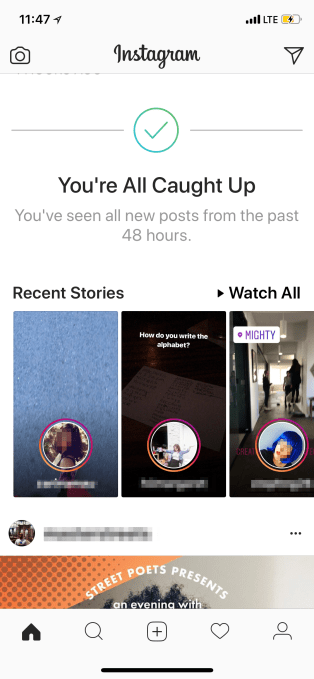
instagram-youre-all-caught-up1.png?w=314But with Instagram’s newest feature, at least users know when they’ve seen everything and can stop scrolling without FOMO. Instagram is showing some users a mid-feed alert after a bunch of browsing that says “You’re All Caught Up – You’ve seen all new post from the past 48 hours.” When asked about it, Instagram confirmed to TechCrunch that it’s testing this feature. It declined to give details about how it works, including whether the announcement means you’ve seen literally every post from people you follow from the last two days, or just the best ones that the algorithm has decided are worth showing you.
The feature could help out Instagram completists who want to be sure they never miss a selfie, sunset or supper pic. Before Instagram rolled out its algorithm in the summer of 2016, they could just scroll to the last post they’d seen or when they knew they’d last visited. Warning them they’ve seen everything could quiet some of the backlash to the algorithm, which has centered around people missing content they wanted to see because the algorithm mixed up the chronology.

But perhaps more importantly, it’s one of the app’s first publicly tested features that’s clearly designed with the “time well spent” movement in mind. Facebook CEO Mark Zuckerberg has been vocal about prioritizing well-being over profits, to the point that the network reduced the prevalence of viral videos in the feed so much that that app lost 1 million users in the U.S. and Canada in Q4 2017. “I expect the time people spend on Facebook and some measures of engagement will go down . . . If we do the right thing, I believe that will be good for our community and our business over the long term too,” he wrote.

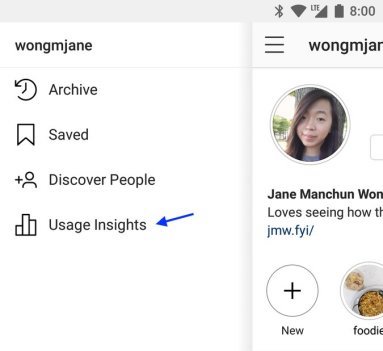
But Instagram’s leadership had been quiet on the issue until last week, when TechCrunch broke news that buried inside Instagram was an unlaunched “Usage Insights” feature that would show users their “time spent.” That prompted Instagram CEO Kevin Systrom to tweet our article, noting “It’s true . . . We’re building tools that will help the IG community know more about the time they spend on Instagram – any time should be positive and intentional . . . Understanding how time online impacts people is important, and it’s the responsibility of all companies to be honest about this. We want to be part of the solution. I take that responsibility seriously.”

instagram-usage-insights1.jpg?w=383

Instagram is preparing a “Usage Insights” feature that will show how long you spend in the app. Image via Jane Manchun Wong

It’s reassuring to hear that one of the world’s most popular, but also overused, social media apps is going to put user health over engagement and revenue. Usage Insights has yet to launch. But the “You’re All Caught Up” alerts show Instagram is being earnest about its commitment. Those warnings almost surely prompt people to close the app and therefore see fewer ads, hurting Instagram’s bottom line.

Perhaps it’s a product of Facebook and Instagram’s dominance that they can afford to trade short-term engagement for long-term sustainability of the product. Some companies like Twitter have been criticized for not doing more to kick abusers off their platforms because it could hurt their user count.

But with Android now offering time management tools and many urging Apple to do the same, the time-well-spent reckoning may be dawning upon the mobile app ecosystem. Apps that continue to exploit users by doing whatever it takes to maximize total time spent may find themselves labeled the enemy, plus may actually be burning out their most loyal users. Urging them to scroll responsibly could not only win their favor, but keep them browsing in shorter, healthier sessions for years to come.

Instagram CEO confirms upcoming “time spent” Usage Insights

The difference between good and bad Facebooking

Techcrunch?d=2mJPEYqXBVI Techcrunch?d=7Q72WNTAKBA Techcrunch?d=yIl2AUoC8zA Techcrunch?i=qQXTlMu73jc:zTS8yeQjRX8:-BTjWOF_DHI Techcrunch?i=qQXTlMu73jc:zTS8yeQjRX8:D7DqB2pKExk Techcrunch?d=qj6IDK7rITs qQXTlMu73jc


Read more: feedproxy.google.com

https://infoforu.org/instagram-says-youre-all-caught-up-in-first-time-well-spent-feature/

19 Disturbing Parasites That Could Be Inside You Right Now

These 5 disturbing parasites are sure to haunt you well into the wee hours of the morning and even into your long-awaited nightmares. What can we say? We're just here to help.

Read more: twentytwowords.com

https://infoforu.org/19-disturbing-parasites-that-could-be-inside-you-right-now/

Sunday, June 10, 2018

Saturday, June 9, 2018

I Stopped Caring

stopped-caring.jpg?w=1140&h=760Unsplash / Anthony Tran

For a while, I stopped caring about everything. I didn’t feel like getting dressed, even to meet up with my friends. I didn’t feel like getting up in the morning, even to eat my favorite breakfast. I didn’t feel like answering texts or showering or brushing my teeth. The only thing I wanted to do was sleep, because it gave me an escape from the real world. With my eyes closed, I could imagine past memories and pretend they were happening in the present. Or I could make up entirely new scenarios inside of my head where I was happy, where I felt fulfilled, where I believed in myself and my future.

Somewhere along the way, I stopped caring about the way other people perceived me. I stopped dressing nice before leaving the house. I stopped eating three meals per day. I stopped answering texts. I lost friends because I never felt like going out on Friday nights since I was too busy recovering from my hectic week. Even when we saw each other, we had nothing to talk about. They would tell me about their career and their love life and instead of feeling happy for them, I felt like shit. I felt like I was falling behind. I felt like no one else could understand what I was going through because they were all ahead of me.

To their credit, it’s not like they never tried to help me. Most people failed to notice my change in mood, but the ones who paid attention tried to make me feel better and I lashed out at them. I didn’t want their sympathy. I didn’t want their advice. I didn’t want to hear about how they loved me and they would be there if I wanted to talk, because I felt more comfortable in my misery. I complained about being alone but a part of me preferred it that way.

Nothing mattered back then. Even the good things felt mehh. I had trouble forcing smiles and faking laughter. I struggled to complete basic tasks like cooking food and remembering passwords. Bigger things, like finding a good job and graduating, felt impossible because it was hard enough to do the little things. Instead of planning out what I would do in a year or two, I was only focused on getting through that day. I stopped having a plan for my future because I wasn’t even sure if I would have a future.

I’m not sure when it happened, but at some point I started to care again. I started exercising. I started eating right. I started meeting up with friends on weekends. I started showering and answering texts and brushing my hair every single day, not just on occasion.

It took a long time, but I finally learned how to shake away the numbness (at least for now). I am finally remembering what it feels like to experience genuine, unfiltered happiness. I am finally able to say everything is going to be okay and mean it. tc_mark.gif


Read more: thoughtcatalog.com

https://infoforu.org/i-stopped-caring/

8 key ways running can transform your body and brain

shutterstock483100987.jpgsportpoint/Shutterstock

Running can significantly improve physical and mental health. As a form of aerobic exercise, running can reduce stress, improve heart health, and even help alleviate symptoms of depression. Some researchers think running may be so good for us because it's something we evolved to do.

People are built to run.

Many experts think human bodies are shaped the way they are because we evolved to be extremely effective endurance runners. The shapes of our hips and feet, the length of our legs, our shock-absorbing spinal discs, and our ability to sweat make it possible for us to run mile after mile.

So it's perhaps no surprise that running is strongly associated with a number of benefits for our bodies and brains.

Many experts consider exercise to be the closest thing to a miracle drug. As a form of cardio exercise that's easily accessible, running is one of the most straightforward ways to get the important benefits of exercise.

Since it improves aerobic fitness, running is a great way to help improve cardiovascular health. Plus, it burns calories and can build strength, among other things. There's also a long list of psychological benefits runners gain from their sport.

Getting used to running, if you haven't done it in a while or ever, can be brutal.

But once your body and mind start to acclimate, running can be blissful, meditative, and provide a sense of freedom. As someone who recently completed his first half-marathon, I can confirm that's true. One piece of advice from several experienced runners made a big difference during my race: remember that you're running to have fun.

These are some of the physical and mental health benefits of running.

Even a 30-minute run can lift symptoms of depression and improve mood. even-a-30-minute-run-can-lift-symptoms-of-depression-and-improve-mood.jpgShutterstock

Spending 30 minutes on a treadmill is enough to lift the mood of someone suffering from major depressive disorder, according to a study published in the journal of the American College of Sports Medicine. Even participants who moved at a walking pace to received the same mood-lifting benefit.

This shows that no matter what pace you're going, moving has positive effects and adds to the already significant body of research showing that running and other forms of exercise can improve mood and help fight depression.

Contrary to what many people think, running actually seems to improve knee health. contrary-to-what-many-people-think-running-actually-seems-to-improve-knee-health.jpgRob Ludacer

Knee pain can quickly sideline a runner. It's often a sign of overtraining or a need to improve one's form or flexibility. But running probably isn't the cause of knee osteoarthritis.

In one eight-year study of 2,637 participants, researchers found that the more people ran, the less likely they were to suffer from knee pain or osteoarthritis. While it's hard to say that running directly caused people to experience less knee pain, researchers think that could be the case since running helps people keep their BMI in check and their leg muscles strong. Running also strengthens bones.

Running helps young people sleep better, improves their mood, and boosts their ability to focus. running-helps-young-people-sleep-better-improves-their-mood-and-boosts-their-ability-to-focus.jpgShutterstock

In a study of 51 young people with an average age of 18, half were assigned to add running into their routines, while the other half did not (they did get some exercise, but didn't add a regular running regimen). To get the benefits associated with running, the group of runners ran at a moderate pace for 30 minutes a day, five days a week, for three weeks.

Those in that running group were found to sleep better, show signs of improved psychological functioning, and focus better during the day.The same benefits are likely to apply to runners of any age.

See the rest of the story at Business Insider

See Also:

11 'bad habits' that are actually healthy, according to scienceThe US is running out of commonly used drugs including ones used in epidurals, and it’s put us on ‘the brink of a public health emergency’Photos of a scaly, discolored patch of skin on Trump's face have gone viral — here's what it is, according to a Yale dermatologist

SEE ALSO: Shorter, high-intensity workouts offer the same benefits as longer, moderate ones — here's how to get started and how it could transform your body

businessinsider?d=yIl2AUoC8zA businessinsider?i=lMm_ygN32HY:9Myvcw_Kbqw:F7zBnMyn0Lo businessinsider?i=lMm_ygN32HY:9Myvcw_Kbqw:V_sGLiPBpWU businessinsider?d=qj6IDK7rITs businessinsider?i=lMm_ygN32HY:9Myvcw_Kbqw:gIN9vFwOqvQ lMm_ygN32HY

Read more: feedproxy.google.com

https://infoforu.org/8-key-ways-running-can-transform-your-body-and-brain/